























Dog Progesterone Levels Chart for Breeding!
Understanding the Dog Progesterone Levels Chart For Breeding: The Ultimate Guide!
For the dog breeding professional and the occasional breeder, timing your dog's ovulation is key to a successful litter. Once you understand your dog's ovulation level, you can time out the complete cycle of your dog. Start at the beginning by knowing your dog's ovulation levels. One of the most crucial tools for ensuring success in canine reproduction is the progesterone Levels chart that is correlated to the Progesterone machine you use for testing. This chart, when used correctly, allows breeders to pinpoint the best time to mate their dogs, maximizing the chances of a successful pregnancy, with a healthy and larger litter. The very first thing you need to know (that most people selling equipment don't tell you or they just don't know) is that every canine progesterone testing machine on the market will have its own progesterone levels chart that is accurate for that system! The facts are that all of these progesterone machines have their own ranges. That is because every system has its own bias due to the software, calibration curves, test kit formulation, and many other factors. You must use the progesterone level chart for the progesterone machine you are testing with. If not, you will not get accurate values.
What is a Dog Progesterone Level Chart?
A progesterone breeding chart is a visual tool that is correlated to the progesterone machine you are using. As you test and track the levels of progesterone in a dog’s blood throughout her estrous cycle, the progesterone level chart calibrates the testing value from your progesterone machine to tell you at what part of the dog's cycle you are at. Progesterone is a hormone that plays a vital role in preparing a female dog’s body for pregnancy. By monitoring the rise and fall of progesterone levels, breeders can determine the optimal time for breeding.
Why Dog Progesterone Levels Matter
Progesterone levels are the most reliable indicator of a dog’s fertility status. As a dog progresses through her cycle, progesterone levels change in a predictable pattern: These values are for a general example; remember to use the progesterone level chart that came with your system.
-
Low Levels (<2 ng/ml): Before ovulation, progesterone levels are low. This stage is not suitable for breeding.
-
LH Surge (2–4 ng/ml): The luteinizing hormone (LH) surge triggers ovulation. Progesterone levels begin to rise, signaling that the fertile window is opening.
-
Ovulation (5–15 ng/ml): This phase marks the release of eggs from the ovaries. Although the eggs are released, they need time to mature before they are ready to be fertilized.
-
Breeding Window (15–40 ng/ml): This is the optimal time to breed. The progesterone levels continue to rise, indicating that the eggs are mature and ready for fertilization.
-
Post-Ovulation (>40 ng/ml): Progesterone levels continue to rise, indicating that the fertile window has passed. Breeding at this stage is unlikely to result in pregnancy.
Interpreting the Dog Progesterone Level Chart
Interpreting the progesterone breeding chart can be straightforward if you understand these key phases:
-
Pre-LH Surge: During this phase, continue monitoring but do not breed. The progesterone levels are still too low.
-
LH Surge: This is the signal to prepare for breeding. Start planning for insemination or natural mating within the next few days.
-
Ovulation: Eggs are released but not yet ready for fertilization. Continue to monitor levels closely.
-
Optimal Breeding Days: These are the days to breed. The progesterone levels indicate that the eggs are mature and ready to be fertilized.
-
Post-Ovulation: If you missed breeding during the optimal window, wait for the next cycle, as the chances of conception drop significantly.
-
How to use this on your Progesterone level chart: When you get a result, print off the result that you get from the progesterone level chart that came with your system. Simply look up the result value you got on the chart, and it will tell you which level you are at from the list above. The results of your testing are very much affected by how accurately you follow the steps in running your test. CanineP4 offers you training videos and ongoing support to help you make your testing great!
Questions About Dog Progesterone Level Charts for Breeding.
-
How often should I test progesterone levels? It’s recommended to start testing every 2–3 days as your dog approaches the middle of her cycle. Once the LH surge is detected, testing should be done daily to pinpoint ovulation and the optimal breeding days.
-
Can progesterone testing be used for both natural breeding and artificial insemination? Yes, progesterone testing is crucial for timing both natural breeding and artificial insemination. Accurate timing improves the chances of successful conception in both methods.
-
What if the progesterone levels are high, but the dog doesn’t become pregnant? High progesterone levels indicate that ovulation has occurred, but pregnancy is not guaranteed. Other factors, such as sperm quality, timing, and the health of the reproductive organs, can affect pregnancy success.
-
How does progesterone testing differ from other fertility tests? Progesterone testing is the most direct and reliable method for determining the best breeding time. Other tests, such as LH testing or vaginal cytology, can provide supporting information but are less precise than progesterone testing.
Conclusion: The Value of the Dog Progesterone Level Chart for Breeding Timing
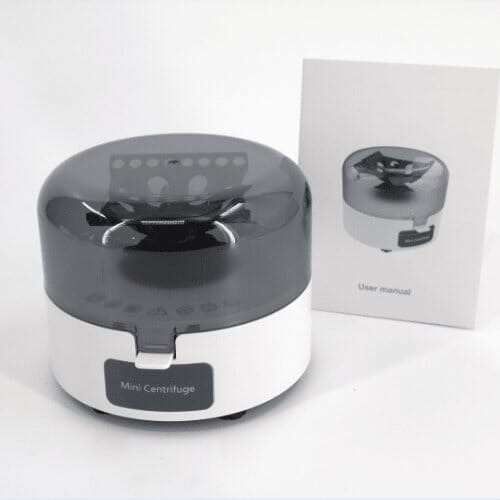
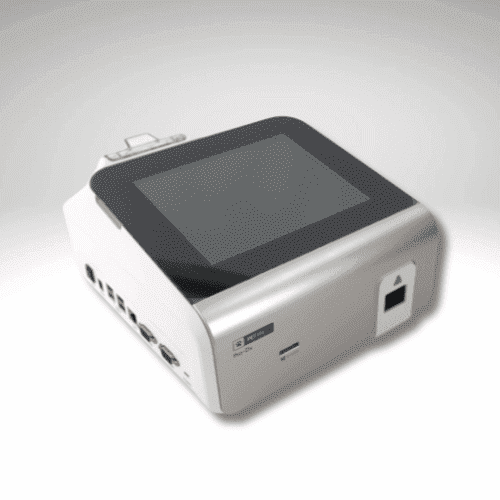
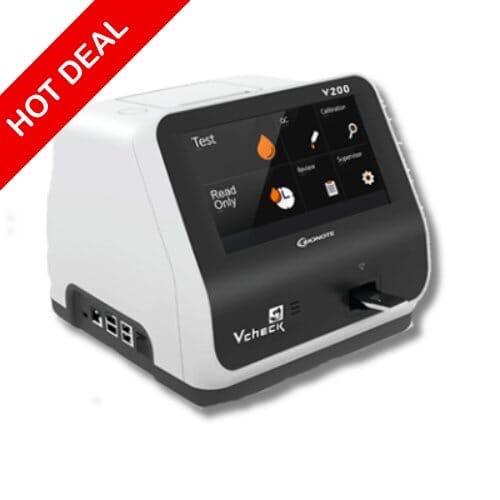
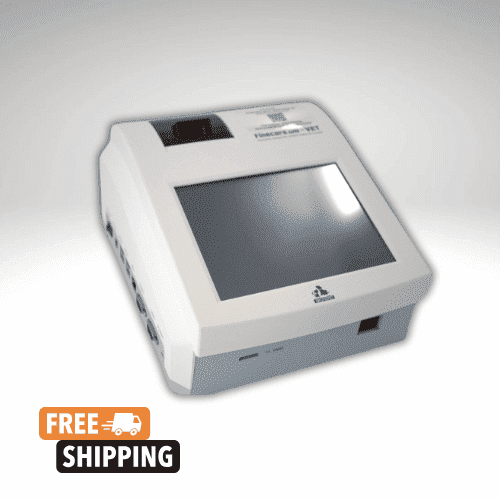
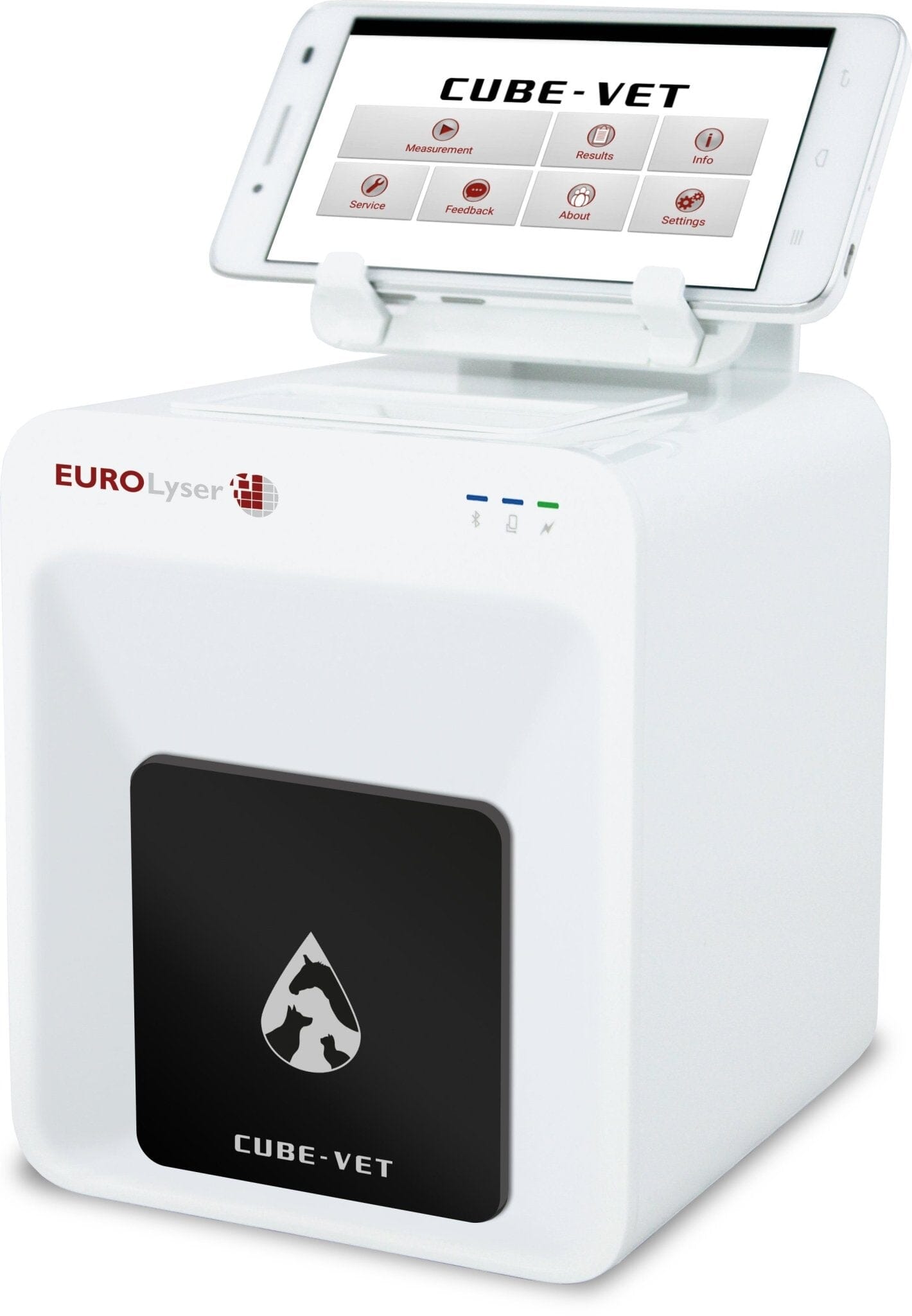
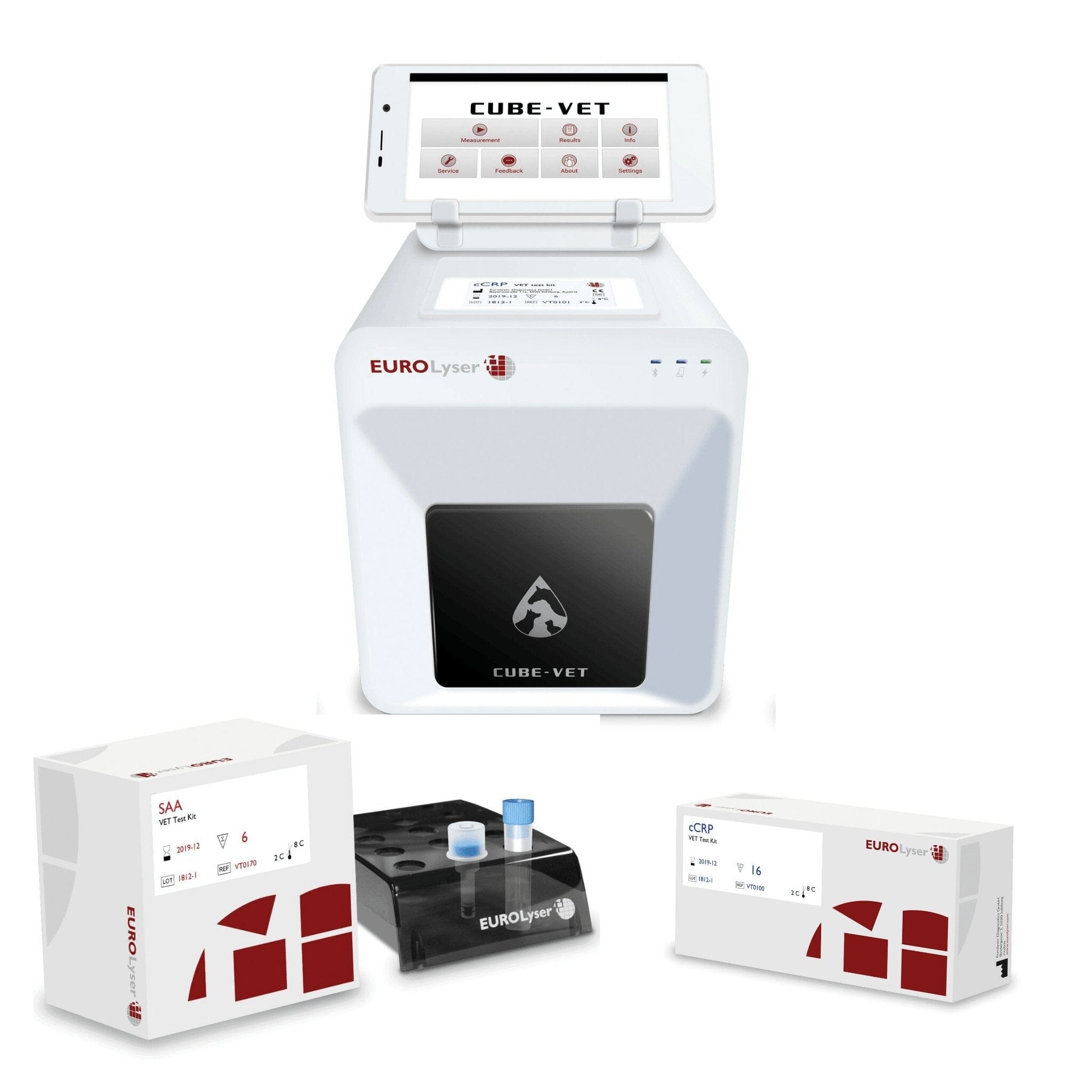
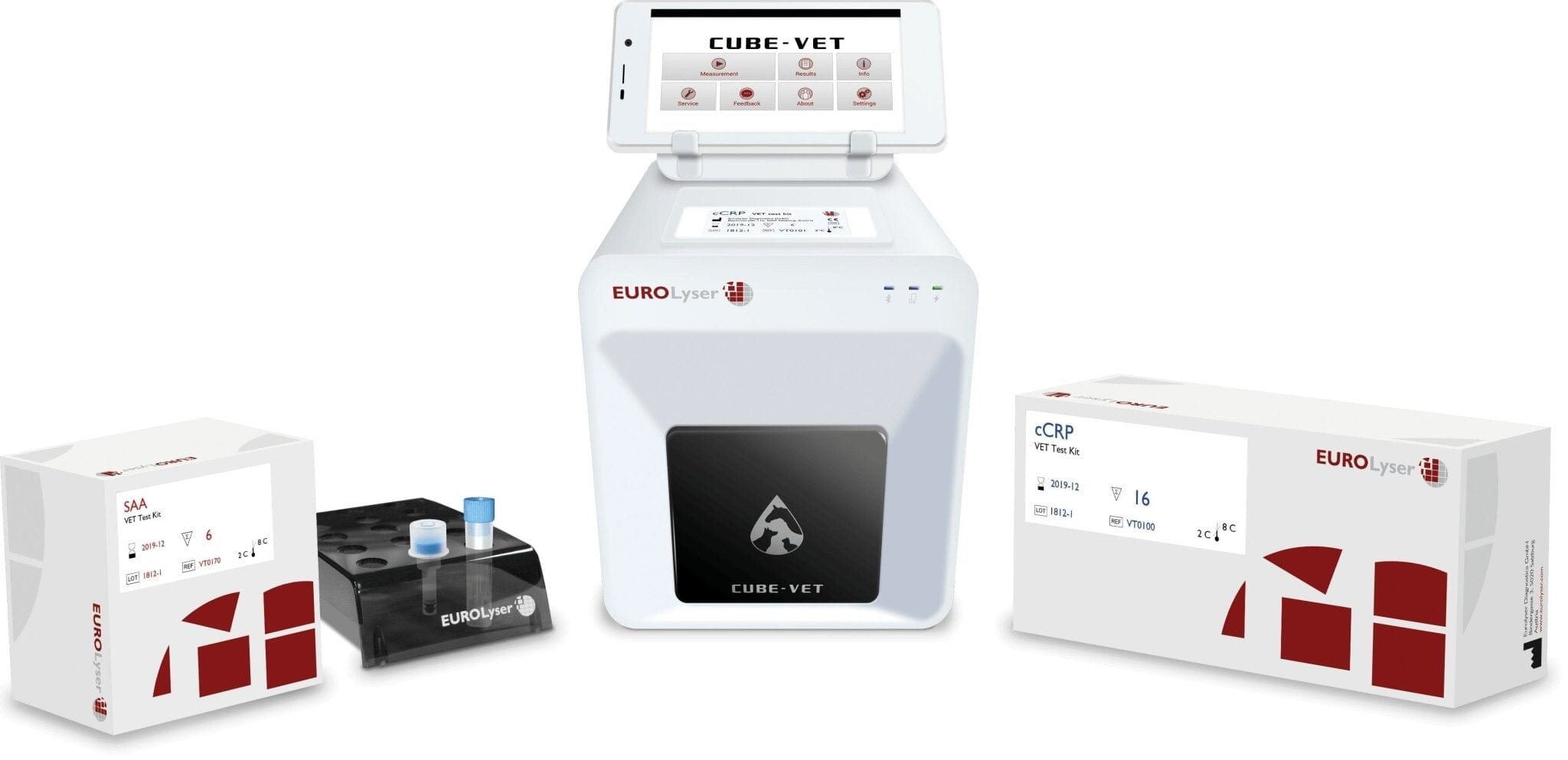
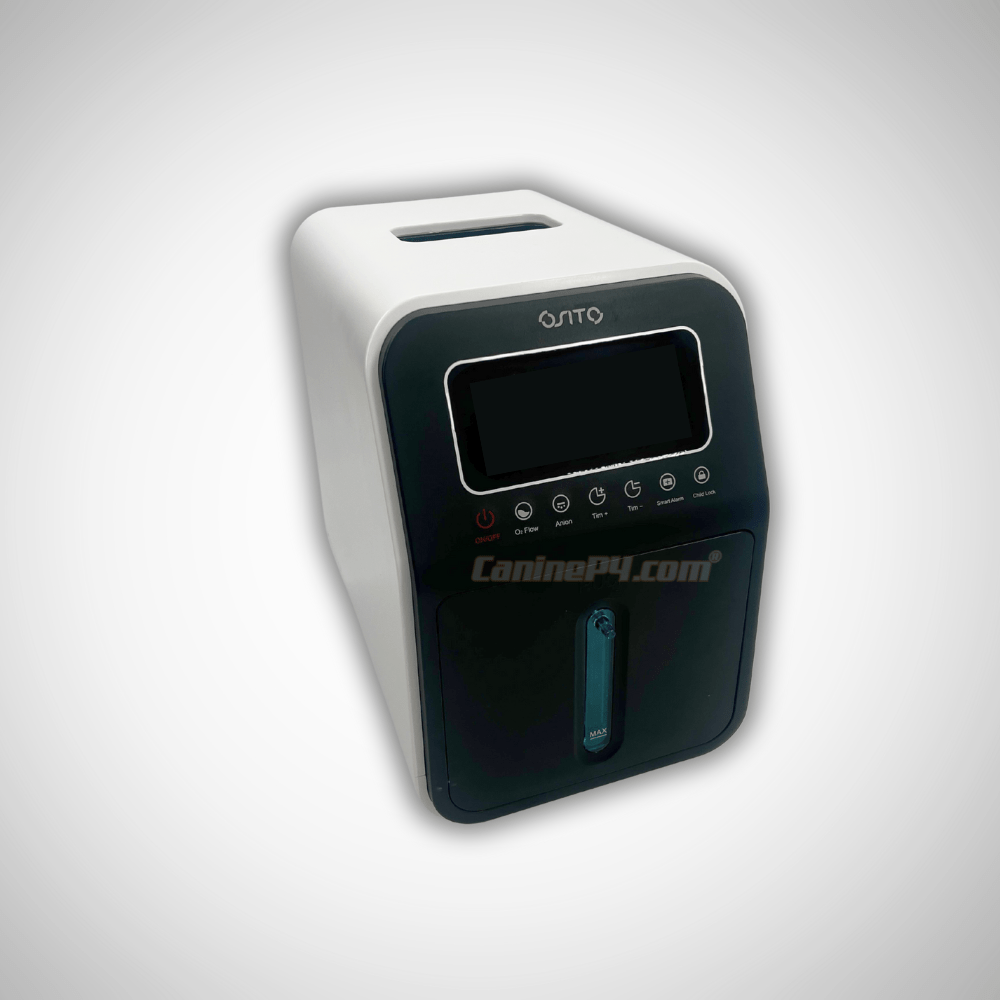
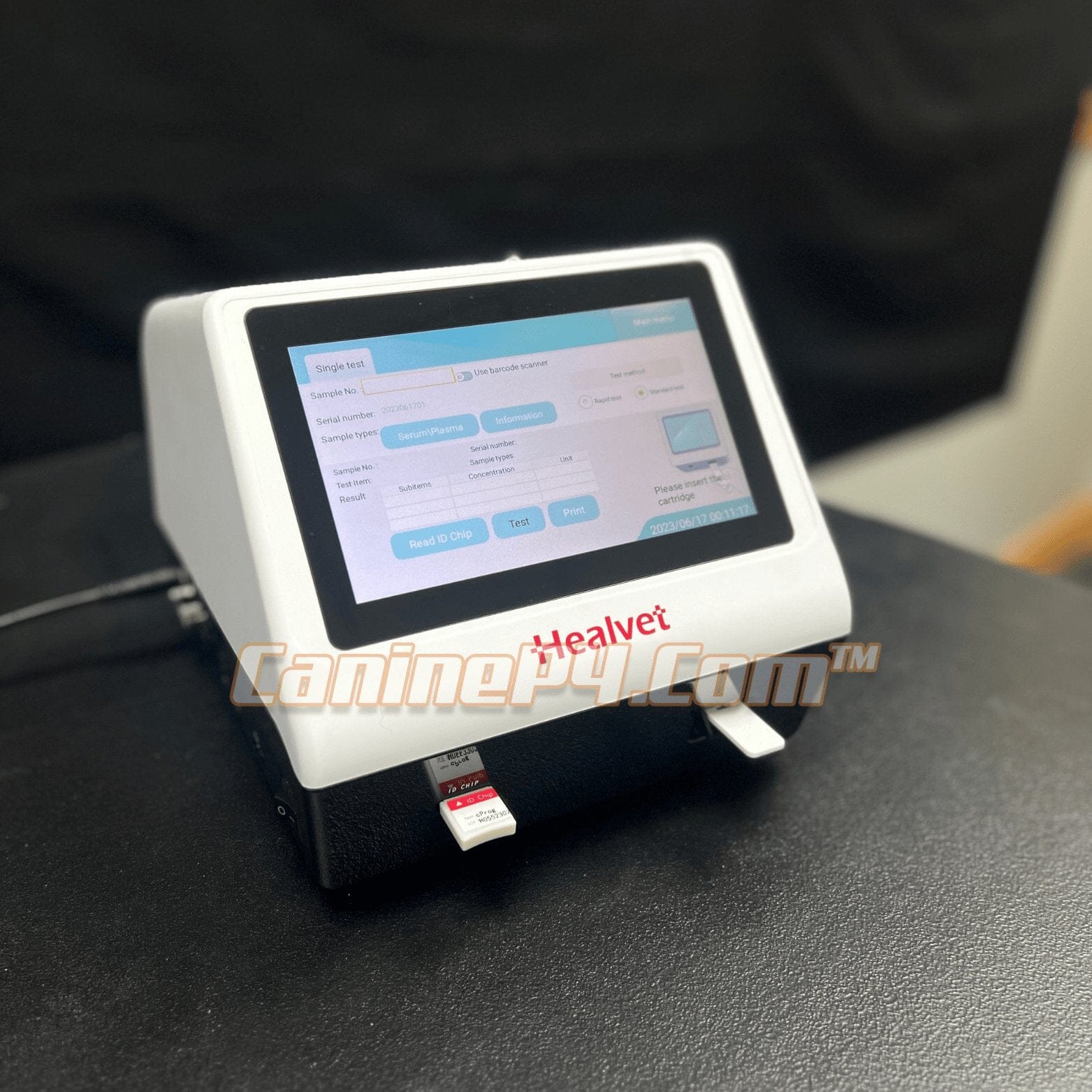
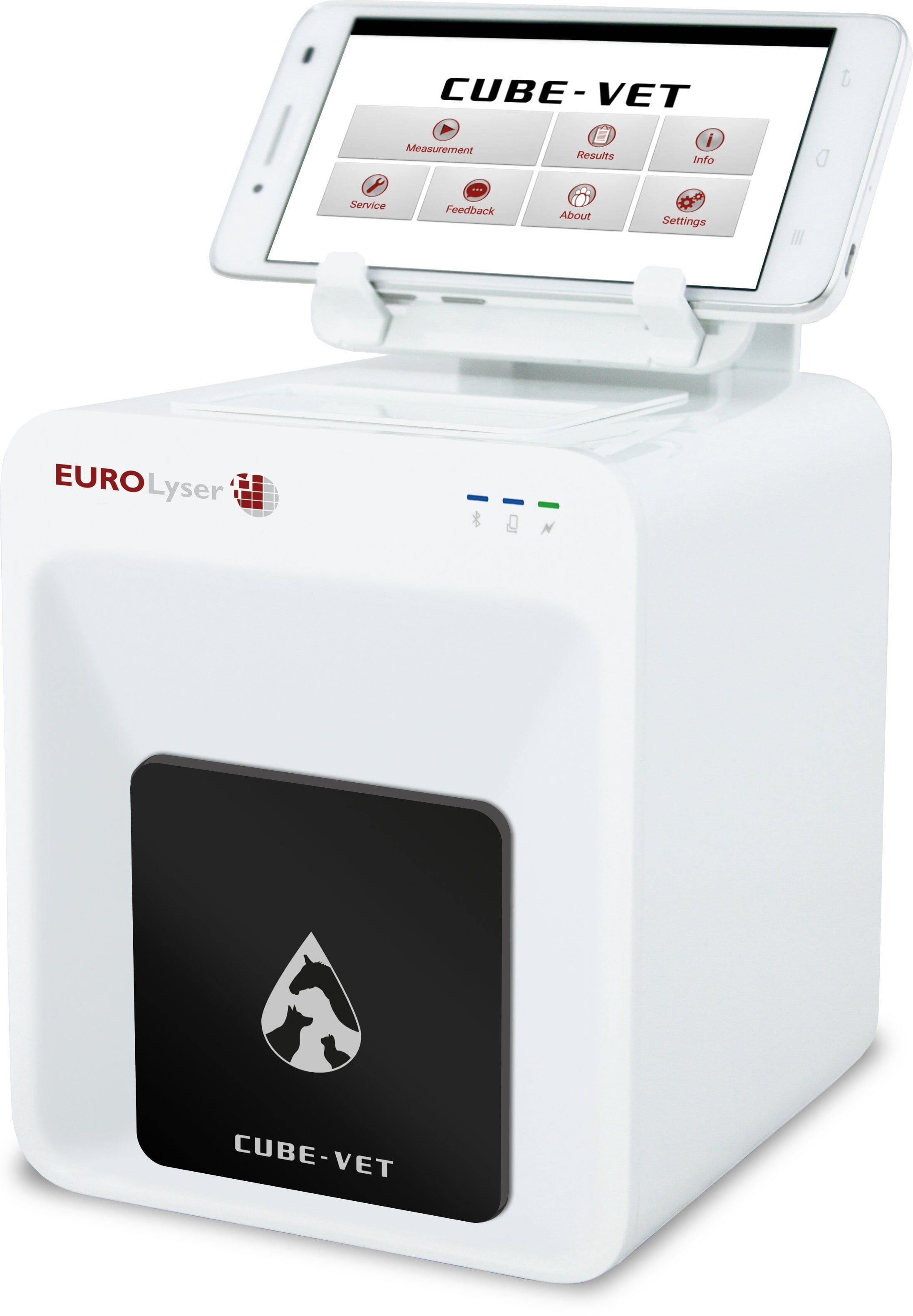
Understanding and utilizing a progesterone breeding chart is crucial for any serious dog breeder. This tool allows you to time your breedings with precision, significantly increasing the likelihood of conception and the health and size of the litter. CanineP4.com, and MR Diagnostic Services is the only companies selling canine progesterone machines that perform in our lab the correlations and test kit lot-to-lot checks! So, whichever Canine Progesterone Machine you purchase, CanineP4.com and our dealers will have the exact Progesterone Level Chart for the system you purchased. That is what gives you the accurate timing regardless of the system you purchase from us or one of our dealers! CanineP4.com also provides tools, resources, expert ongoing guidance, and ongoing support to help you master the art of breeding. Whether you’re using the Anbio 100c, Wondfo Pro DX, Finecare, Cube Vet, Mini Vidas, or any other progesterone machine we sell, we've got you covered. With lot-to-lot testing done before we sell you test kits, you can also be assured you are getting quality test kits. If you a buying from other overseas sources, there is no way to know if they will work since there is no testing data on these types of kits. Visit CanineP4.com today to learn more about progesterone testing and how it can benefit your breeding efforts. Also check out the Canine Progesteone Machines below, or check them all out here!
What Is Canine Ovulation Pause?
Canine ovulation pause refers to a temporary cessation of the estrous cycle during specific phases of a dog's reproductive cycle. This is indicated by progesterone level starting to rise as the cycle progresses, then the levels stall. Performing in-house progesterone testing is a great way to know what the progesterone levels are and then use the timing chart that comes with the unit to determine at what point the dog is in their cycle. Some dogs will experience a "stalling" of the progesterone levels for some period of time (may vary from dog to dog). P4 testing is the best way to know if your dog is in an ovulation stall or if the cycle is progressing based on the rising Progesterone values.
Canine Ovulation Pause: Exploring its Effects on Dogs. Understanding the concept of canine ovulation pause and its impact on dogs is essential for dog breeders and veterinarians alike. In this article, we will delve into the intricacies of canine reproduction, shedding light on this unique phenomenon.
The estrous cycle, commonly known as the heat cycle, consists of four stages: proestrus, estrus, diestrus, and anestrus. During the ovulation pause, there is a pause or interruption in the normal progression of these stages. This pause occurs immediately after the proestrus stage, which is characterized by the presence of bloody vaginal discharge and an increase in hormone levels. It acts as a transitional phase, preparing the body for the fertile period. Following this, the estrus stage commences, highlighting physical and behavioral changes in the female dog, such as receptive behavior towards males.
The ovulation pause commences towards the end of proestrus and extends into the early stages of estrus. This pause is critical as it serves as the time when the developing eggs within the ovaries reach maturity and are subsequently released for possible fertilization.
During the ovulation pause, the hormone progesterone plays a crucial role. Its levels remain low initially, but as the pause progresses, progesterone levels rise. This rise in progesterone marks the beginning of the fertile window when the eggs are released and capable of fertilization. If you are doing in-house progesterone testing, you will have a timing chart that will tell you, based on the progesterone value, where you are in this cycle. Easy to use and a critical part of your breeding process!
The duration of the ovulation pause can vary among dog breeds, ranging from a few days to weeks. Factors such as breed, age, and overall health can influence the length of this pause. It is essential for breeders and veterinarians to closely monitor and track a dog's estrous cycle by testing progesterone levels on a regular basis to determine the optimal time for breeding. This testing can easily be done in-house using one of the many Canine Progesterone Testing Machines available! Understanding the effects of the ovulation pause on dogs is fundamental for successful breeding programs.
By identifying the exact timing of the pause, breeders can ensure maximum fertility potential and increase the chances of a successful mating. Accurate timing is crucial, as it allows breeders to avoid missed breeding opportunities or premature mating attempts. To accurately track the ovulation pause, veterinarians and breeders may employ various methods. These include vaginal cytology, hormone assays testing for Progesterone And Or LH Levels Using A Easy To Use In in-house testing System, and ultrasound examinations to monitor changes in the reproductive tract and ascertain the optimal time for breeding.
In conclusion, the canine ovulation pause is a crucial period during a dog's estrous cycle. Understanding its effects and accurately tracking its timing are essential for successful breeding programs. By closely monitoring a dog's hormonal changes and utilizing appropriate diagnostic techniques, breeders can optimize the chances of successful matings, resulting in healthier litters and preserving desirable traits within specific dog breeds.
Anbio 100c, Cube Vet, And More!
With The Highest Level Of Accuracy And Precision,
Along With Ongoing Support! We Have Your Back!

CUBE-VET - Equine Health Analyzer
5.0

Anbio 100C Canine Progesterone Machine - Analyzer Only
5.0

CUBE-VET - Reproduction Startup Bundle
5.0

Anbio 100C Canine Progesterone Machine - Startup Bundle
5.0

CUBE-VET - Reproduction Premier Bundle
5.0

Anbio 100C Canine Progesterone Machine - Premier Bundle
5.0
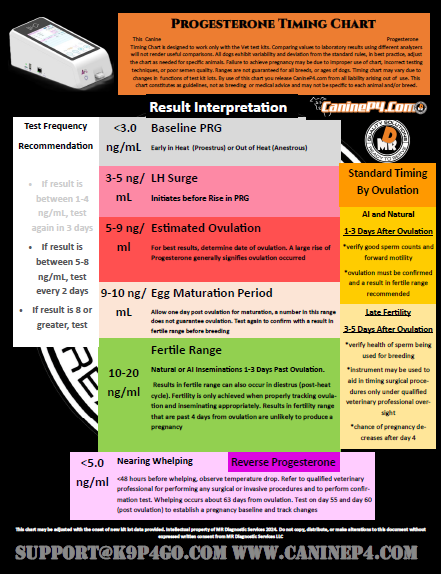
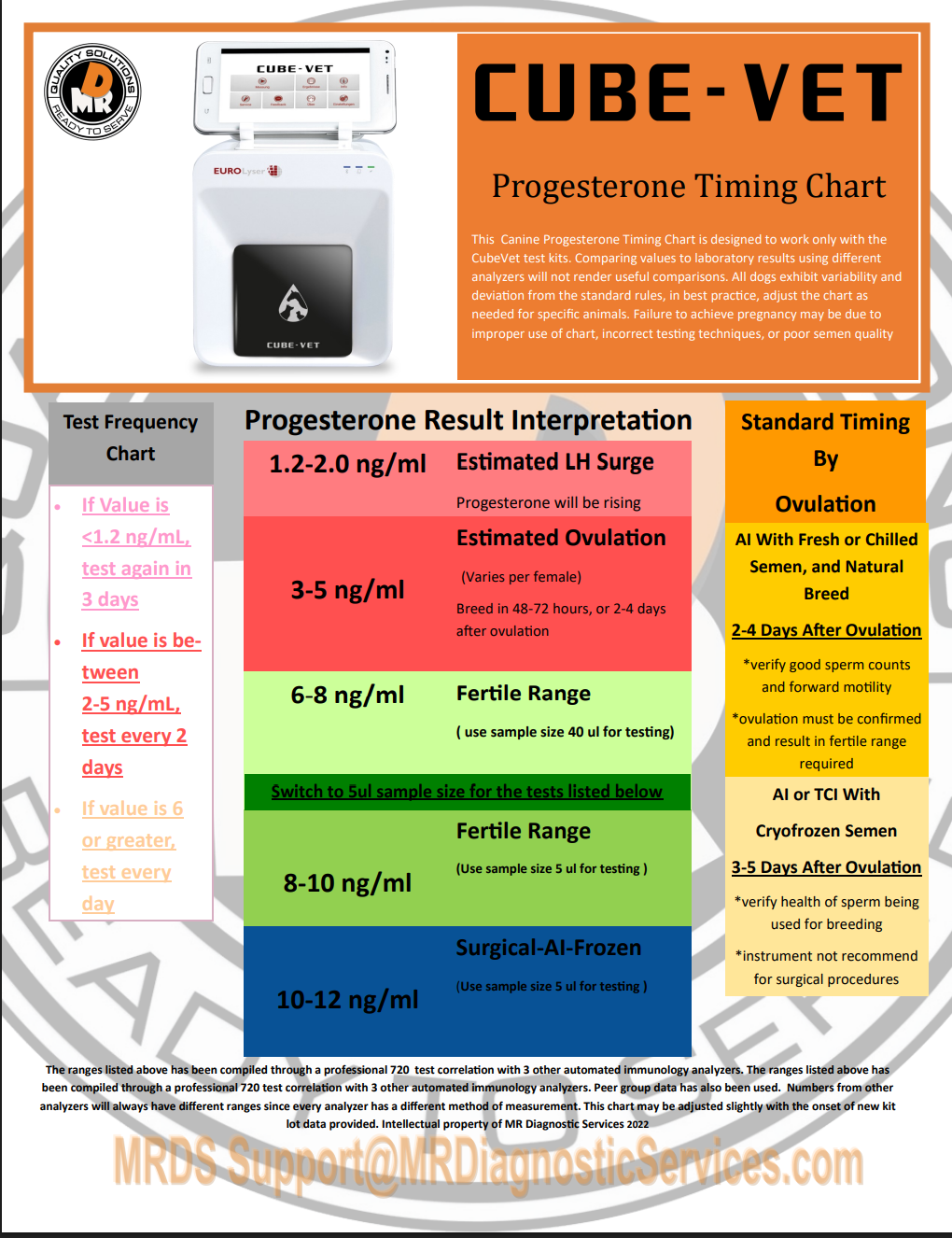
Anbio 100C and Cube Vet Progesterone Level Timing Chart
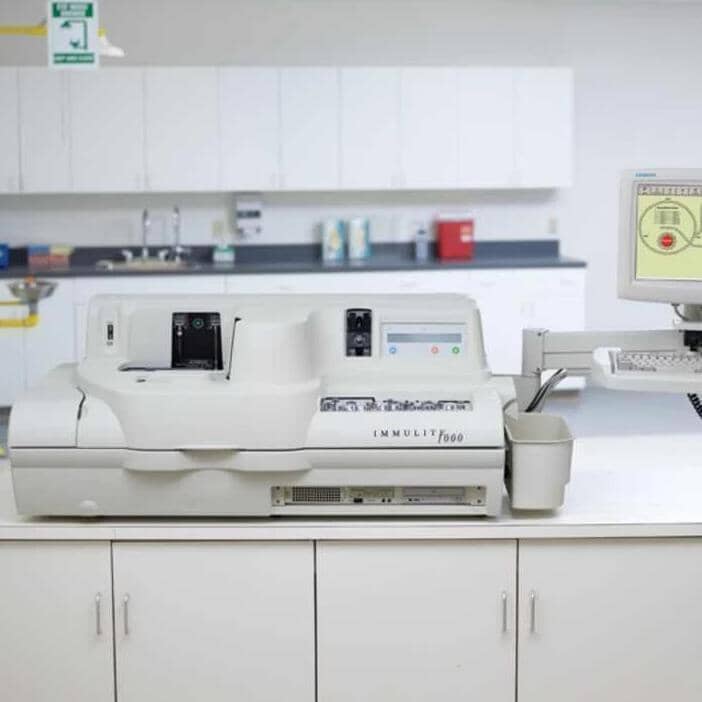
Here are two examples of dog progesterone level charts from CanineP4. These level timing charts are both developed from dog serum coagulation studies of 50 to 100 tests done on a Siemens Immulite 1000 or 2000, and then the system we are testing (in this case, the Anbio 100c and the Cube Vet). These tests have a range of results from high to low. Once the study is done, the levels are correlated to the Immulite analyzer to give you the very best information that is transposed to the timing charts you see below. CanineP4 and MR Diagnostic Services are the only company that does this kind of correlation to make sure your testing is accurate.
What If Your Dog Has An Possible Extended Ovulation Pause?
When dog breeders encounter a situation where their dog experiences an extended "ovulation pause," it is essential to understand how to proceed in order to optimize the breeding process. In such cases, the breeder should follow these steps:
1. Maintain a meticulous breeding record: Dog breeders should keep a comprehensive record of their breeding activities, including the dates of previous heat cycles, mating attempts, progesterone levels using an in house Canine Progesterone testing machine, and observations related to the dog's behavior and physical changes.
2. Monitor the dog's reproductive cycle: Regularly observe the dog for signs of estrus, such as swelling of the vulva, discharge, and changes in behavior. Monitoring the reproductive cycle is crucial for identifying any deviations or disruptions in the normal pattern.
3. Consult with a veterinarian: When faced with an unexpected extended ovulation pause, breeders may want to seek guidance from a reputable veterinarian or reproduction expert who specializes in canine reproduction. They can conduct tests and provide valuable diagnostic insights to determine the root cause of the pause and suggest appropriate measures.
4. Evaluate fertility factors: The breeder and veterinarian should assess various fertility factors, including hormone levels, sperm quality in the stud dog, and the overall health of the breeding pair. This evaluation assists in identifying any potential issues that may be impacting successful conception.
5. Consider hormone therapy: In some cases, veterinarians may recommend hormone therapy to regulate the dog's reproductive cycle and stimulate ovulation. This treatment should only be administered under professional supervision and adhering to specific dosages and protocols.
6. Adjust breeding plans: Depending on the cause and duration of the ovulation pause, breeders may need to modify their breeding plans accordingly. This may involve rescheduling mating attempts or adjusting the selection of the stud dog.
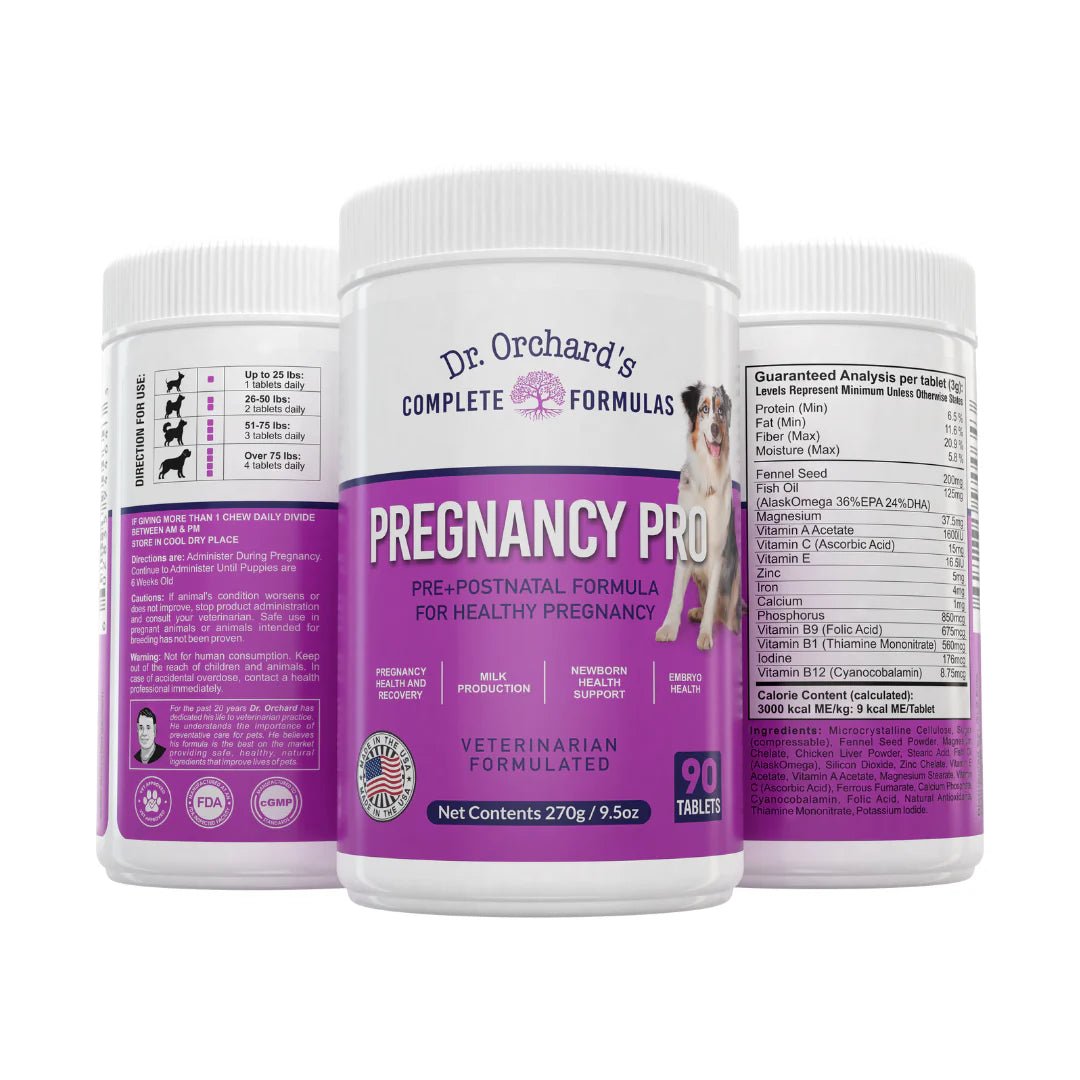
7. Maintain proper care and nutrition: Throughout the process, it is crucial to provide the dog with optimal care, including a balanced diet, regular exercise, and adequate rest. Proper nutrition and a healthy lifestyle contribute to the overall reproductive health of the dog.
It is important to remember that each dog's reproductive system is unique, and individual variations may occur. Consequently, it is always recommended to seek professional advice and assistance when encountering an ovulation pause or any other reproductive issues. By following these steps and collaborating with a veterinarian, dog breeders can effectively navigate through this situation and increase the chances of successful breeding outcomes.
Looking for dog breeding supplies? Check out our ever-growing array of products Here


540 Shady Lane, Neenah, Wisconsin. Home for CanineP4.com! Here's Where It All Happens!
844-673-7378 Call For Appointment.
All major credit cards accepted including Paypal.

For all general inquiries, please contact us at support@K9P4Go.com
©2023 Copyright. All rights reserved. Violators will be prosecuted
- Choosing a selection results in a full page refresh.
Quick Links
Information Links

Our Mission

All of the CanineP4 Team members are dedicated to getting the best product fits for every customer we serve! Along with ongoing support via Chat, Email, or Phone! All with the best pricing available! Call us at 844-673-7378 we will be waiting to serve you!
PDF Catalog includes QR codes for scanning! Share with your friends, they will love it too!
