





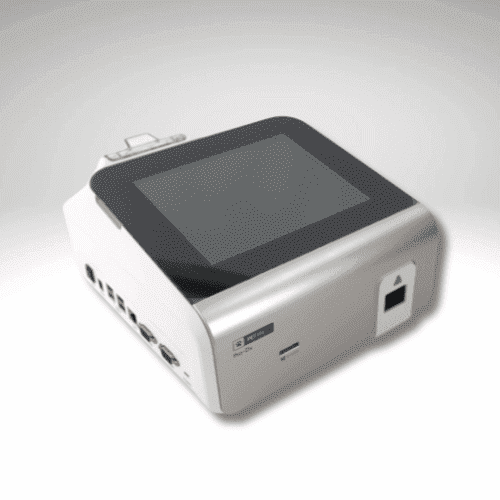

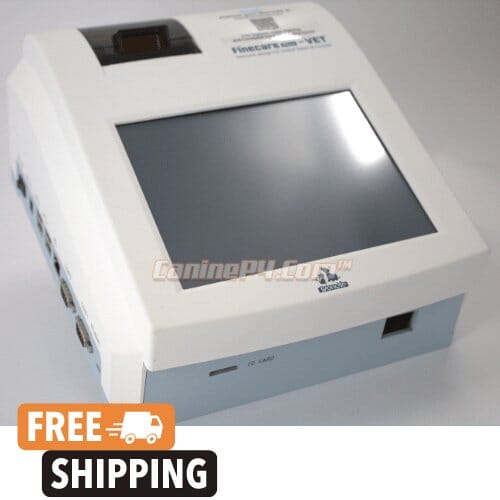









Ovulation test for dogs!
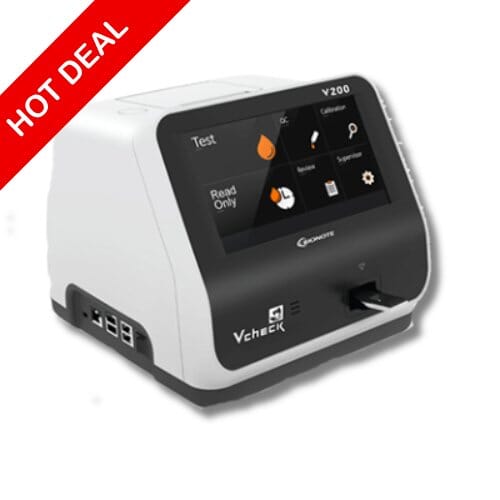
Bionote V200 Equine Progesterone Test Kit (5ct)

Quick View

Bionote V200 Equine Progesterone Test Kit (5ct)
- Price
- $109.99
Healvet 300P Progesterone Kit (10 ct)

Quick View
Sale

Healvet 300P Progesterone Kit (10 ct)
- Price
- $79.99—$100.00
Healvet 300P Pregnancy Test For Dogs (10ct)

Quick View

Healvet 300P Pregnancy Test For Dogs (10ct)
- Price
- $164.99
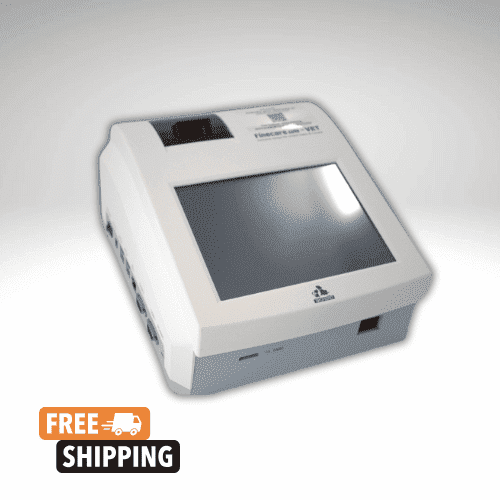
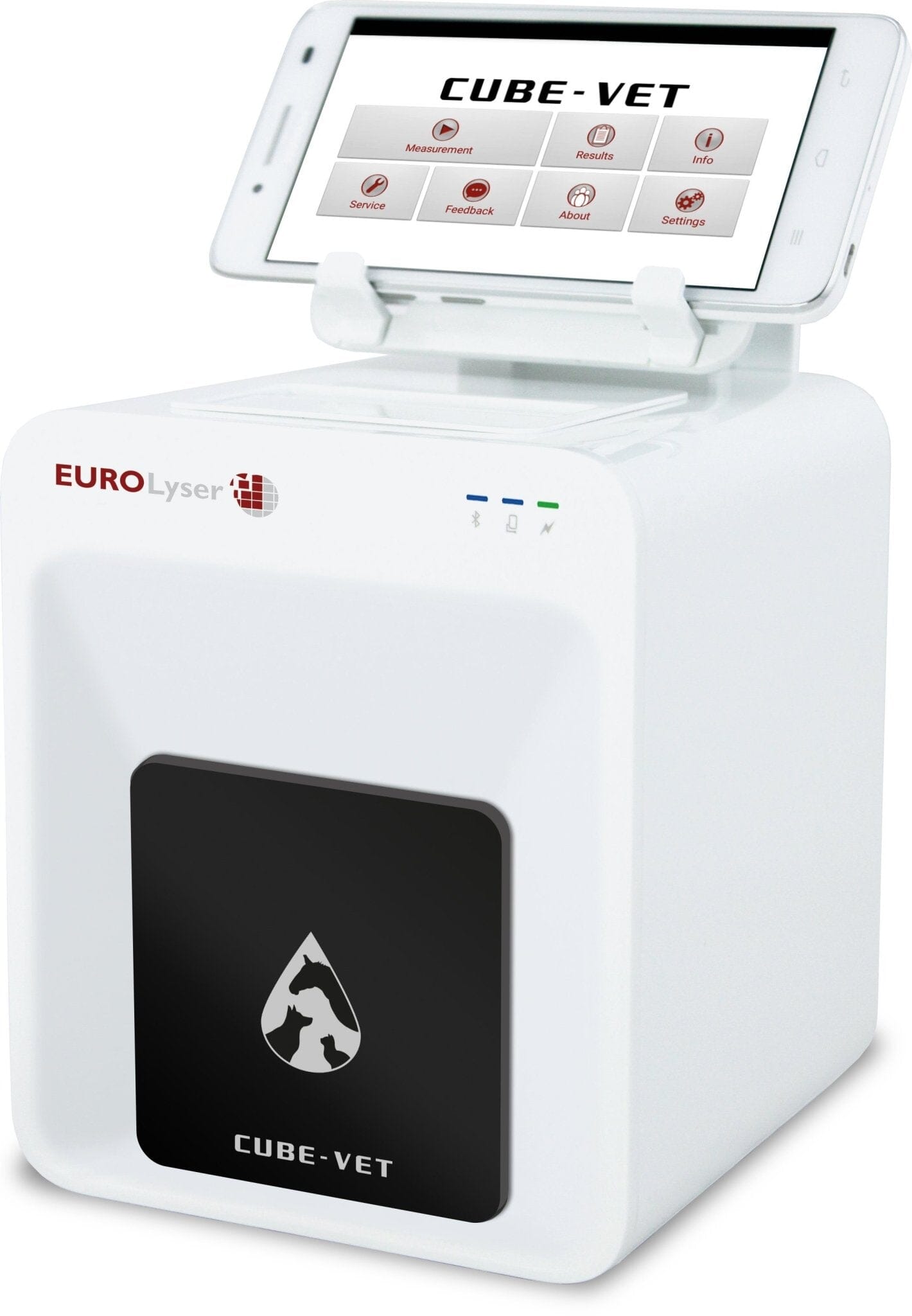
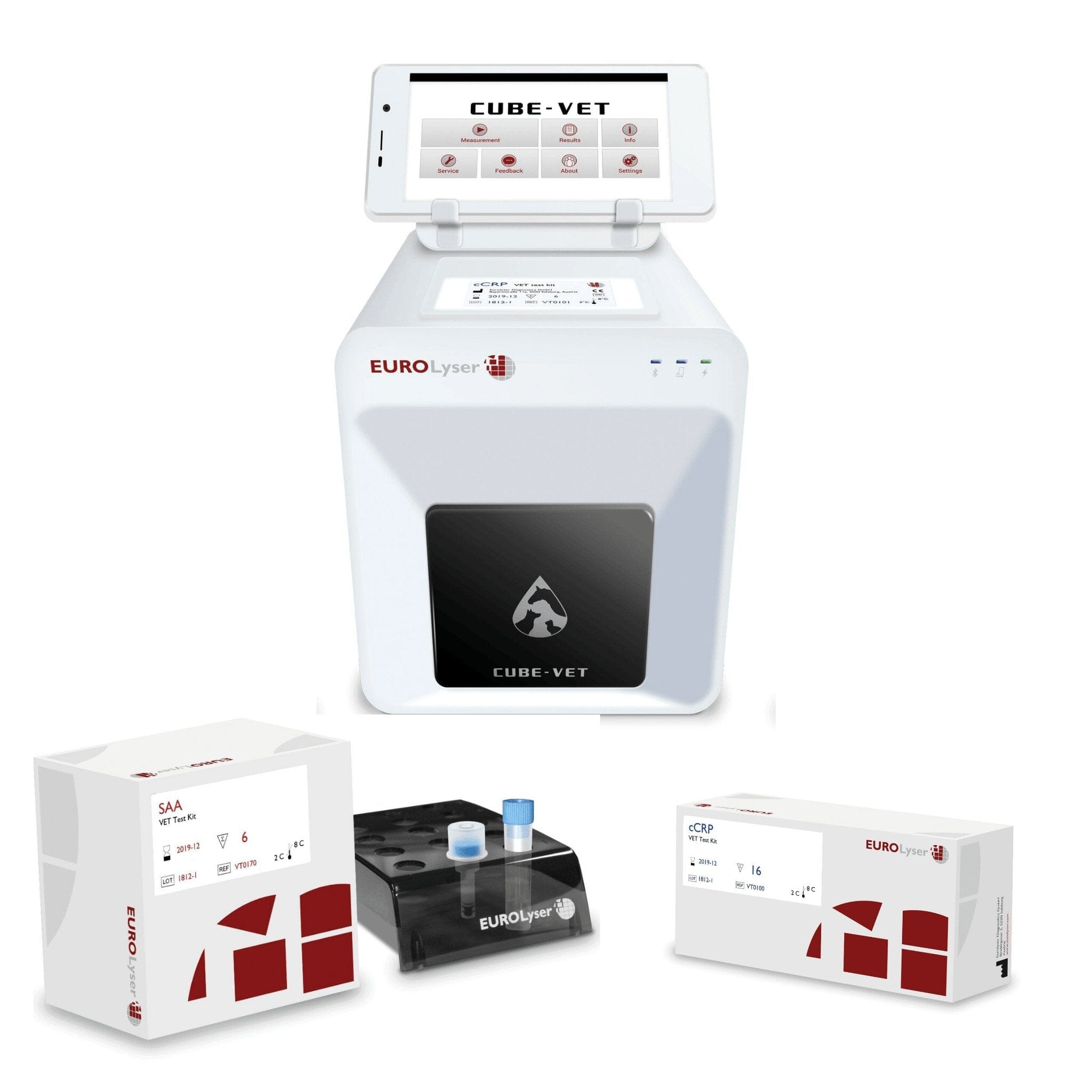
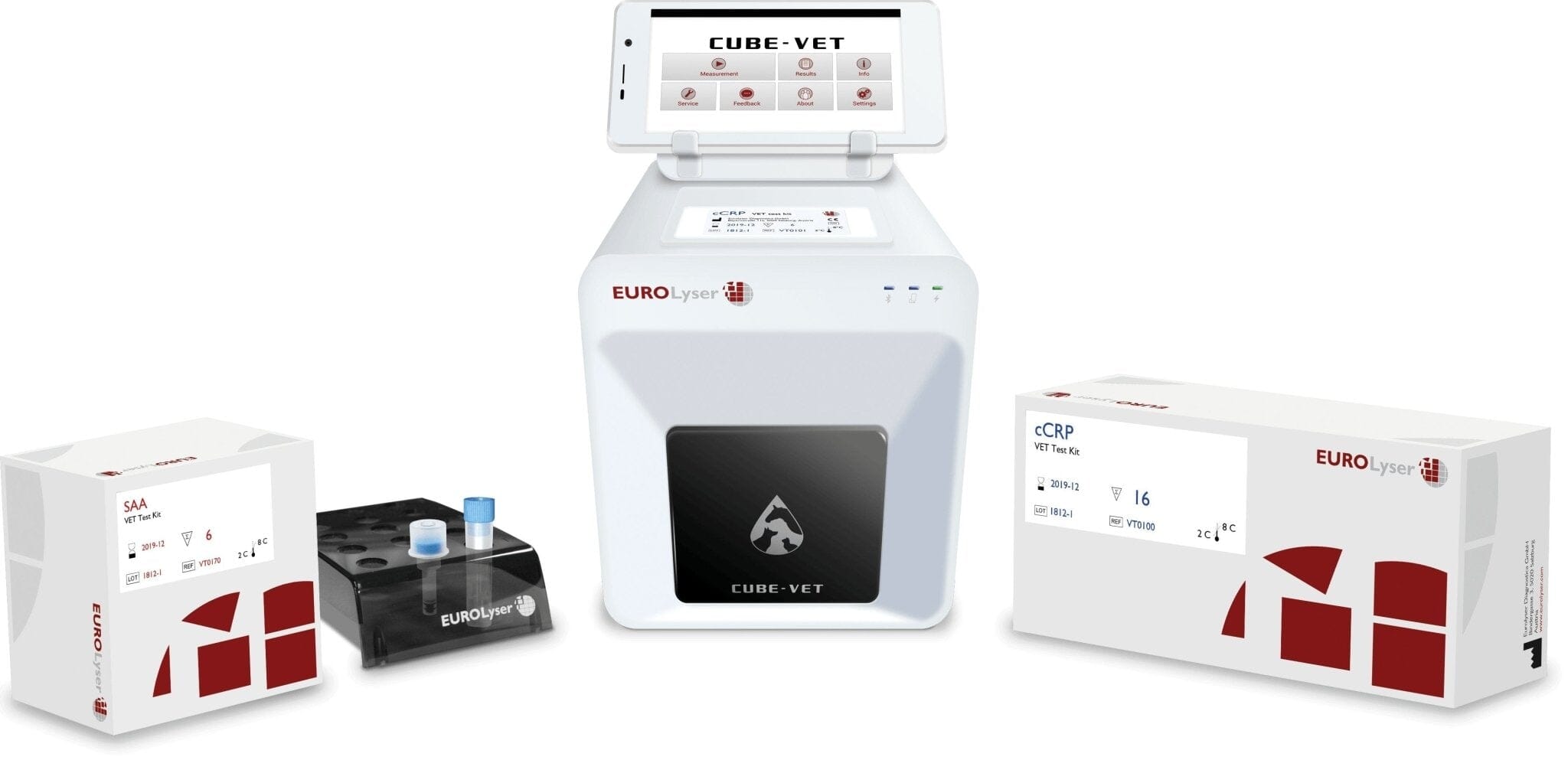
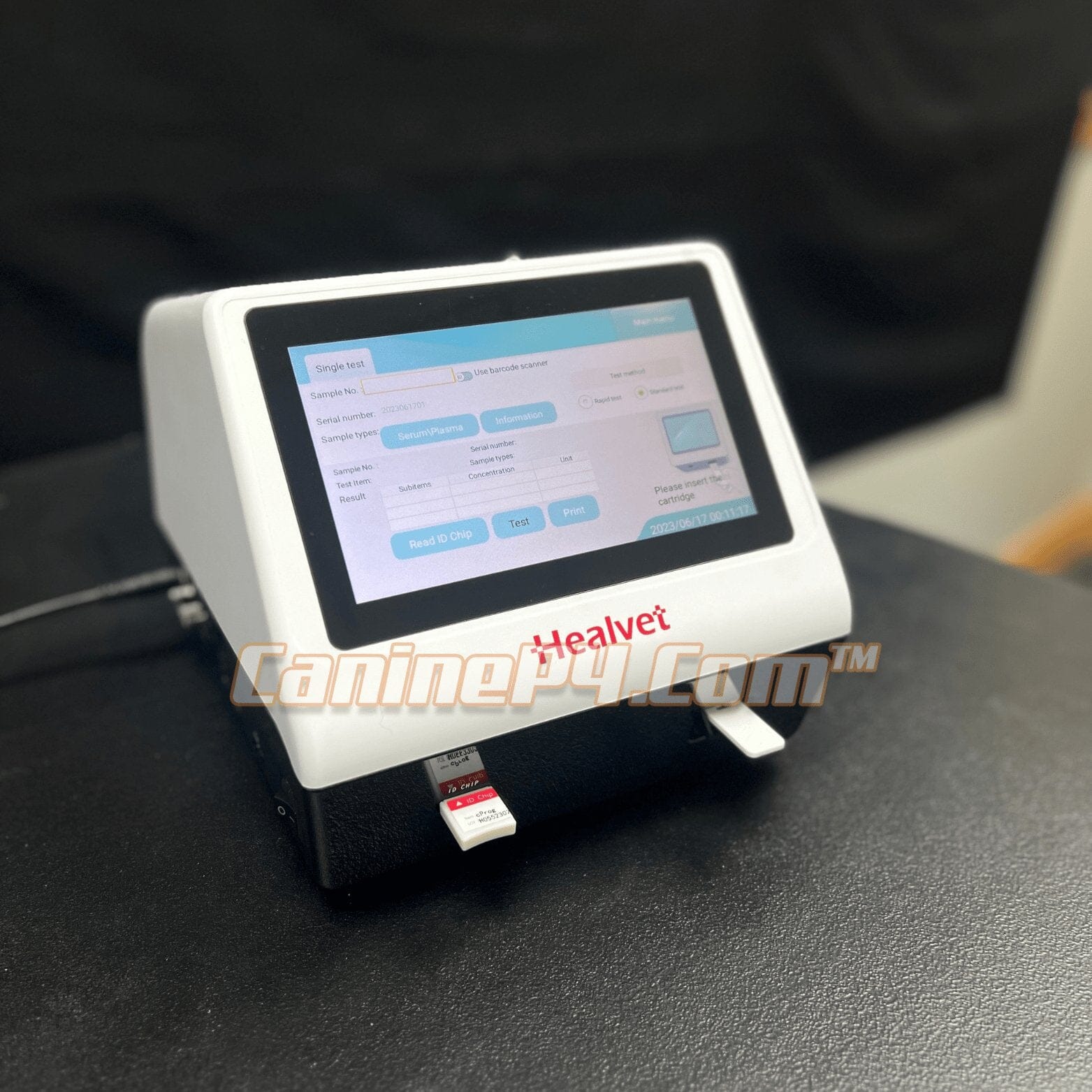
Healvet 3000 Bundle - Dog Progesterone Machine
Quick View
Healvet 3000 Bundle - Dog Progesterone Machine
- Price
- $2,899.00—$3,399.99
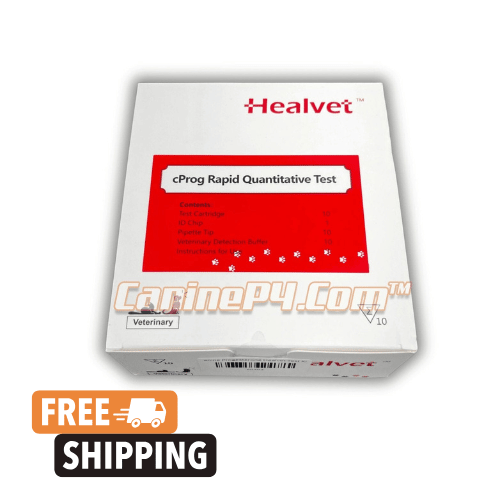
Healvet 3000 Canine Progesterone Kit (10 ct)
Quick View
Healvet 3000 Canine Progesterone Kit (10 ct)
- Price
- $90.00
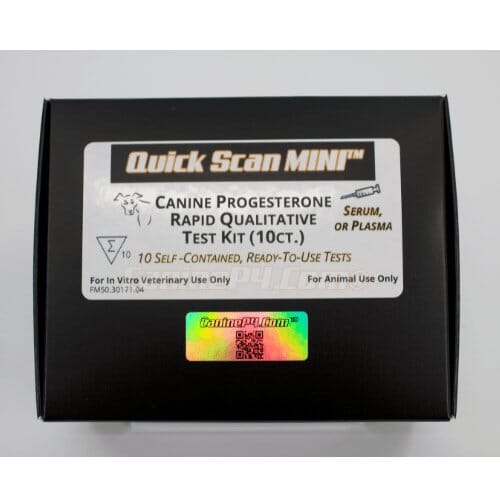
Quick Scan MINI™ Progesterone Test Kit (10ct)
Quick View
22% off
Quick Scan MINI™ Progesterone Test Kit (10ct)
- Sale price
- $69.99
- Regular price
- $89.99
Healvet 3000 Pregnancy Test For Dogs (10ct)

Quick View
Sale

Healvet 3000 Pregnancy Test For Dogs (10ct)
- Price
- $99.99—$129.99
Pinpointing the fertile window through serial progesterone quantification is the clinical standard for optimizing canine conception rates and litter sizes. Relying on behavioral indicators such as male acceptance or vaginal discharge leaves breeding timing to chance, as physical symptoms often fail to correlate with internal hormonal progression. In-house progesterone testing provides quantitative numerical values that remove guesswork for both natural breedings and assisted reproductive techniques.
Canine Ovulation Timing and Progesterone Testing
The hormone progesterone begins rising from basal levels during late proestrus, coinciding with the luteinizing hormone (LH) surge. Following the LH surge, ovulation typically occurs within 48 hours as progesterone levels rise into the 4.0 to 8.0 ng/mL range, depending on the diagnostic platform used. Canine oocytes are ovulated in an immature state and require an additional 48 to 72 hours within the oviduct to complete meiosis before fertilization can take place. Serial testing every 2 to 3 days initially, and daily once levels begin rising, ensures accurate identification of peak fertility.
Pinpointing the Fertile Window for Natural and Artificial Insemination
Timing requirements vary significantly depending on the breeding method and semen preservation type. Fresh semen remains viable in the female reproductive tract for up to 5 days, allowing for a broader insemination window. In contrast, chilled extended semen maintains viability for approximately 48 hours, and frozen semen survives for only 12 to 24 hours post-thaw. Precise hormonal timing allows breeders to schedule trans-cervical inseminations (TCI) or surgical implants to coincide exactly with mature oocyte availability, maximizing puppy counts and protecting valuable genetics.
In-House Testing Accuracy and Turnaround Speed
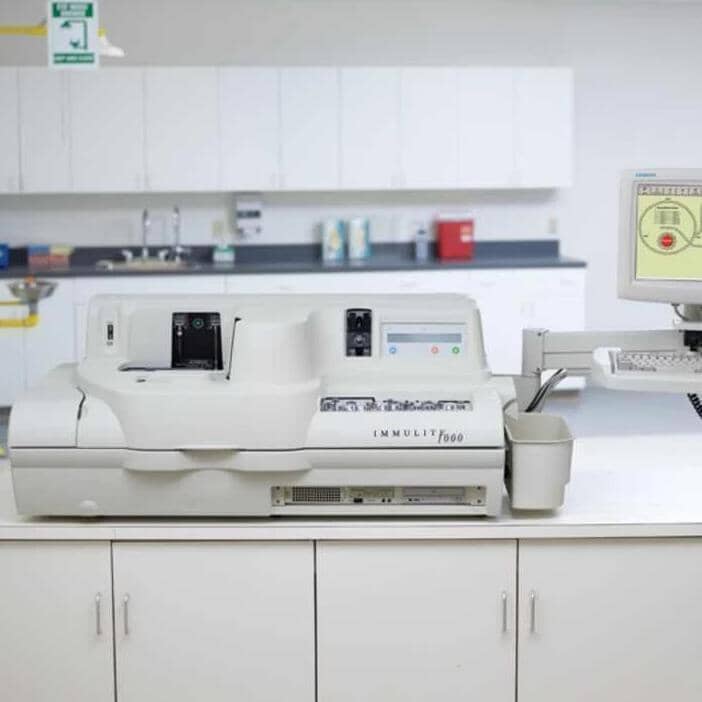
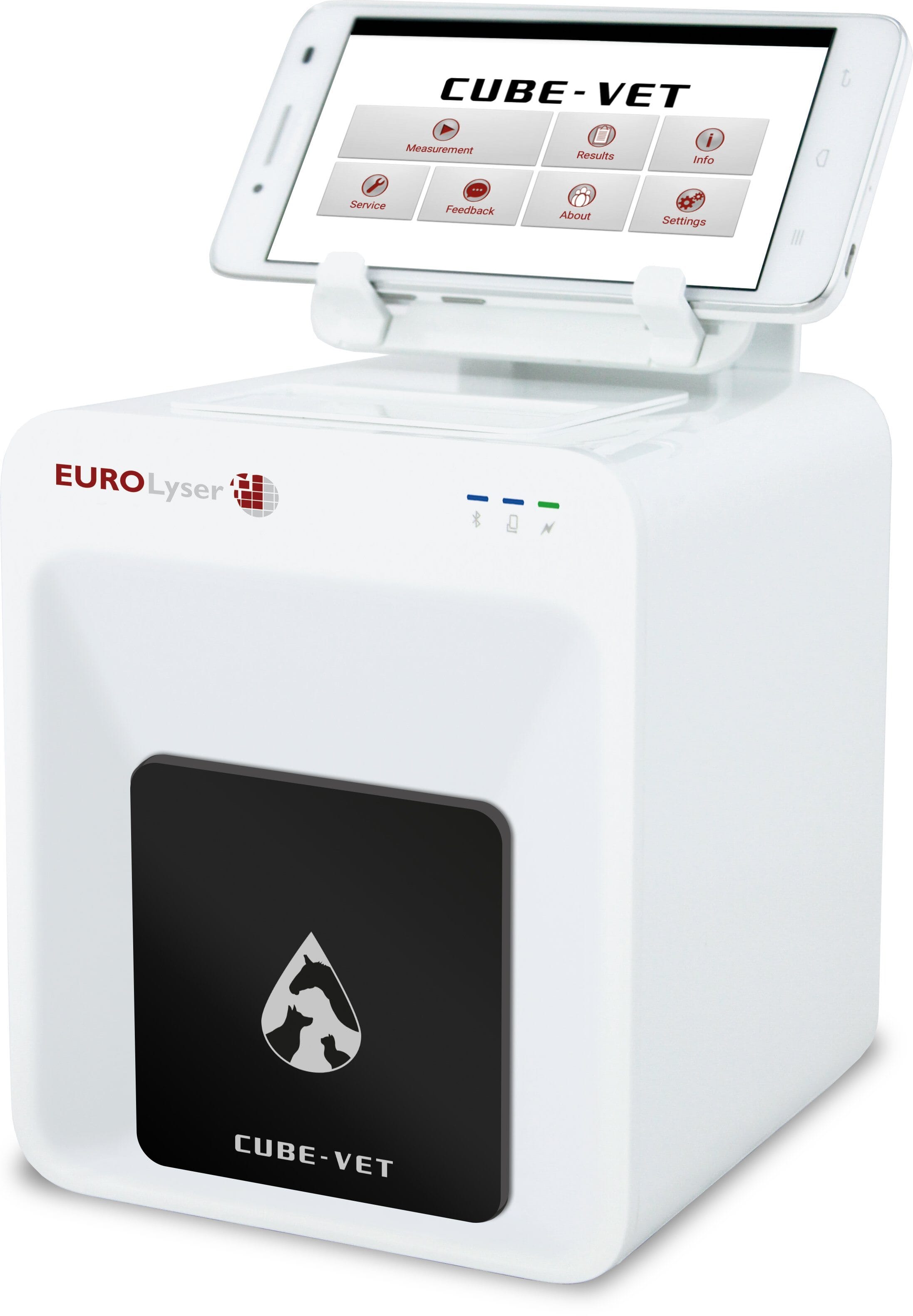
Sending blood samples to outside reference laboratories introduces shipping transit delays and weekend turnaround gaps that can cause breeders to miss critical insemination days. Modern in-house analyzers utilize fluorescence immunoassay (FIA) or automated clinical chemistry technology to deliver laboratory-grade results in 8 to 15 minutes. Evaluating your breeding program with our in-house testing savings calculator illustrates the financial and logistical advantages of on-site diagnostic equipment. CanineP4 stocks testing platforms, blood collection supplies, and calibration kits for same-day dispatch on orders placed before 1:30 PM CST Monday through Friday.
Frequently Asked Questions
When should progesterone testing begin during a female dog's heat cycle?
Testing typically begins around day 5 to 7 following the onset of proestrus vaginal bleeding and vulvar swelling. Starting baseline testing early establishes the female dog's pre-surge progesterone level (often below 1.0 to 1.5 ng/mL) so that the subsequent luteinizing hormone (LH) surge can be accurately identified. Testing every 2 to 3 days initially, and daily once levels rise above baseline, ensures accurate ovulation detection. CanineP4 provides model-specific timing charts with all analyzer systems to guide sample scheduling.
What progesterone level indicates ovulation in female dogs?
Ovulation generally occurs between 4.0 and 8.0 ng/mL, but exact numeric thresholds vary depending on the diagnostic methodology and analyzer platform being utilized. Because baseline, LH surge, and ovulation ranges differ across instruments, breeders should refer to the model-specific CanineP4 correlation timing chart provided with their analyzer rather than relying on flat universal numbers. Post-ovulation oocyte maturation requires 48 to 72 hours before fertilization can take place, making sequential quantification essential.
How does in-house progesterone testing improve breeding success compared to outside reference labs?
In-house testing delivers quantitative results within 10 to 15 minutes on-site, eliminating courier transit delays that frequently cause breeders to miss narrow fertile windows. Same-day on-site quantification allows breeders to coordinate chilled semen shipments and schedule surgical or transcervical inseminations (TCI) at peak fertility. CanineP4 supplies in-house analyzers with complete video training, enabling breeders to reduce per-test costs while maintaining clinical-grade timing precision.
Everything needed for fast, safe, Draws!
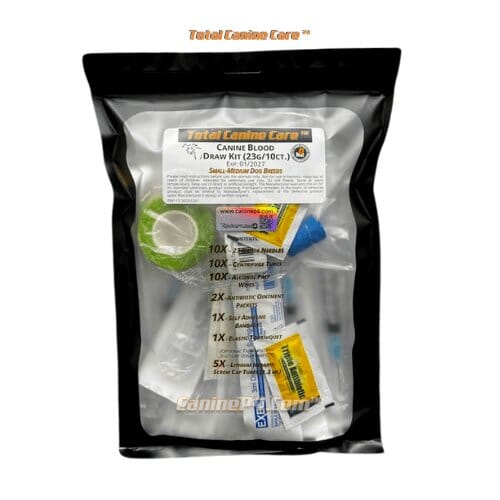
Total Canine Blood Draw kit (10 ct.)
Quick View
20% off
Total Canine Blood Draw kit (10 ct.)
- Sale price
- $19.99
- Regular price
- $25.00
Total Canine Blood Draw Kit - Butterfly Needle and Vacutainer Kit
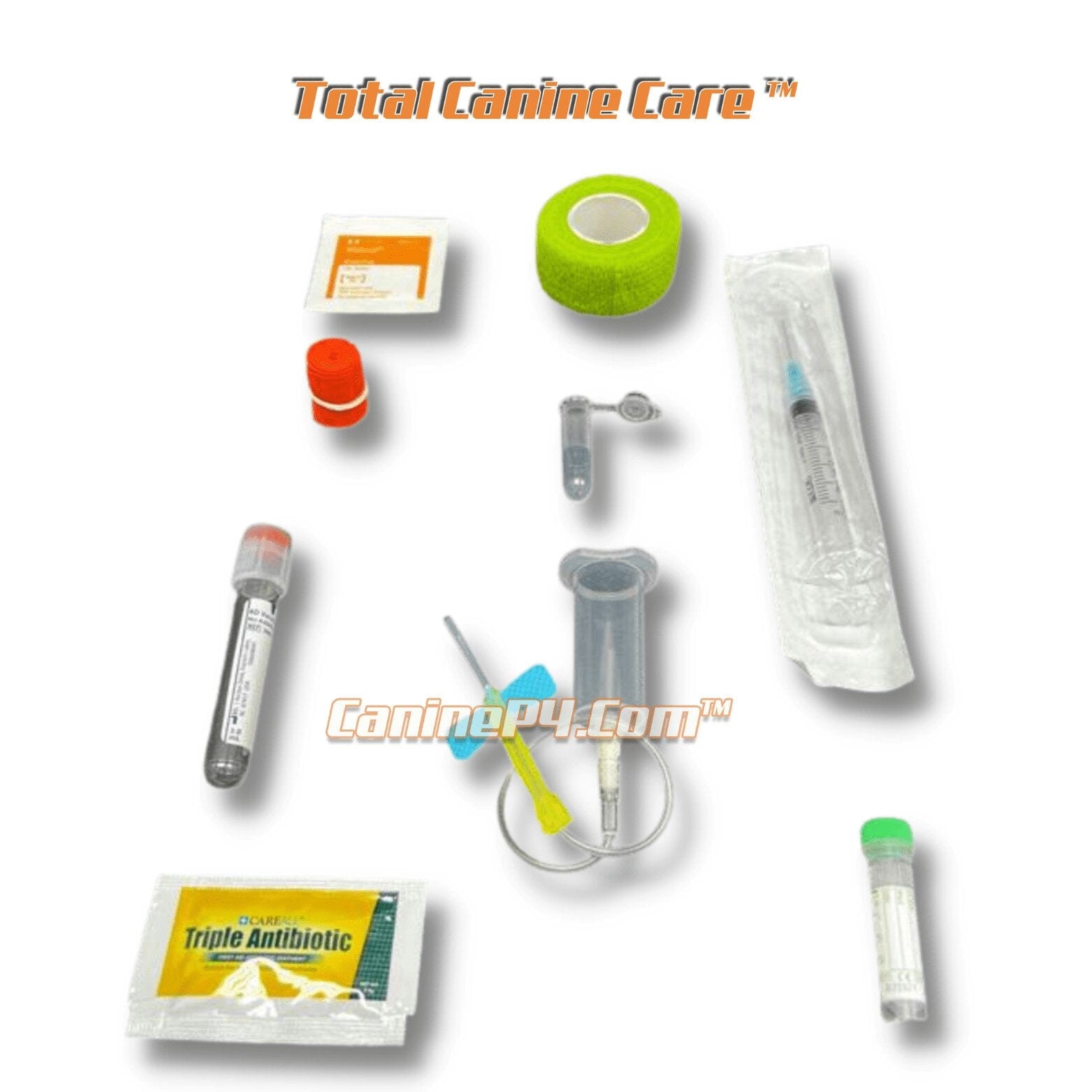
Quick View
5% off
Total Canine Blood Draw Kit - Butterfly Needle and Vacutainer Kit
- Sale price
- $19.99
- Regular price
- $21.00
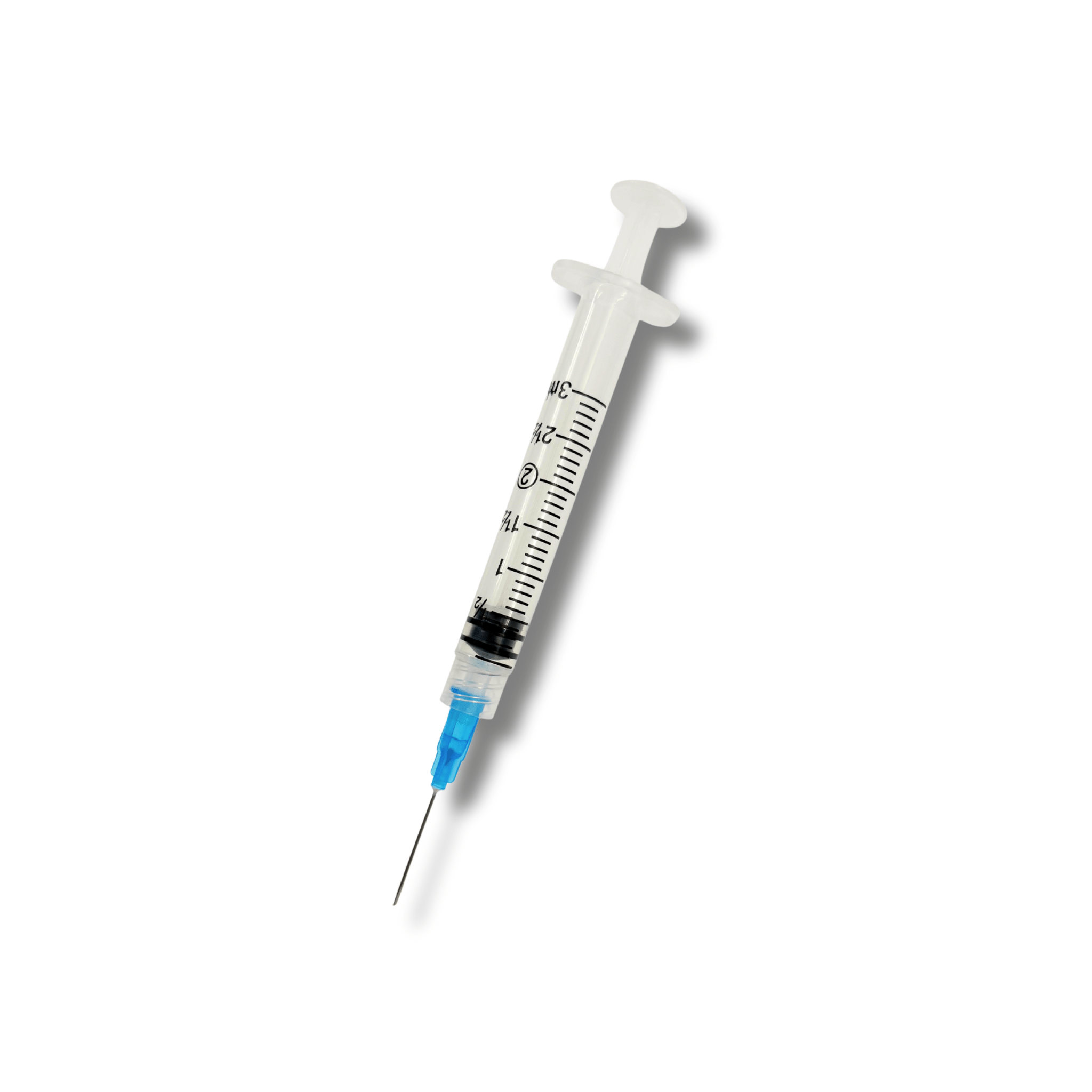
3ml Syringe for dogs with 23 Gauge Needle
Quick View
Sale
3ml Syringe for dogs with 23 Gauge Needle
- Price
- $4.99—$16.99
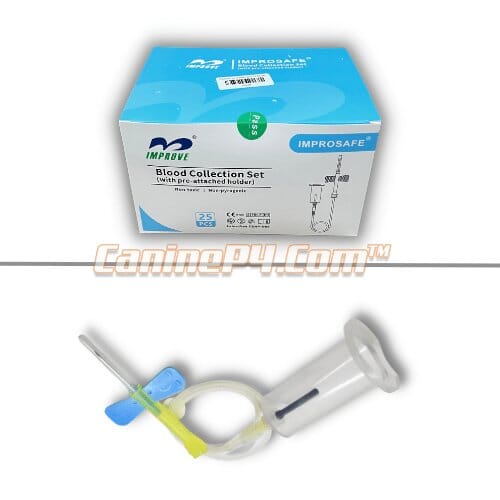
Butterfly Needle + Holder Blood Collection Set (25ct)
Quick View
10% off
Butterfly Needle + Holder Blood Collection Set (25ct)
- Sale price
- $34.99
- Regular price
- $38.75
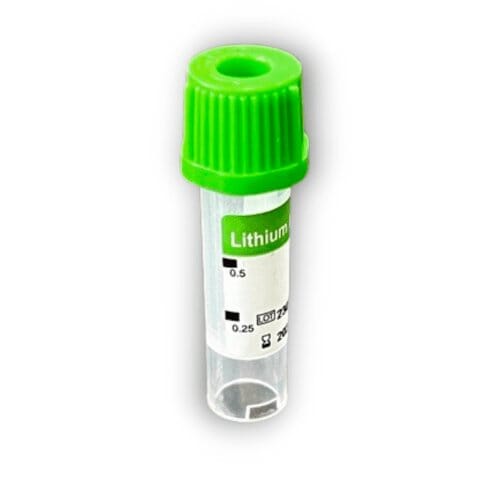
Lithium Heparin Tube Anti-Clot MicroTube 1ml
Quick View
Sale
Lithium Heparin Tube Anti-Clot MicroTube 1ml
- Price
- $7.99—$49.99
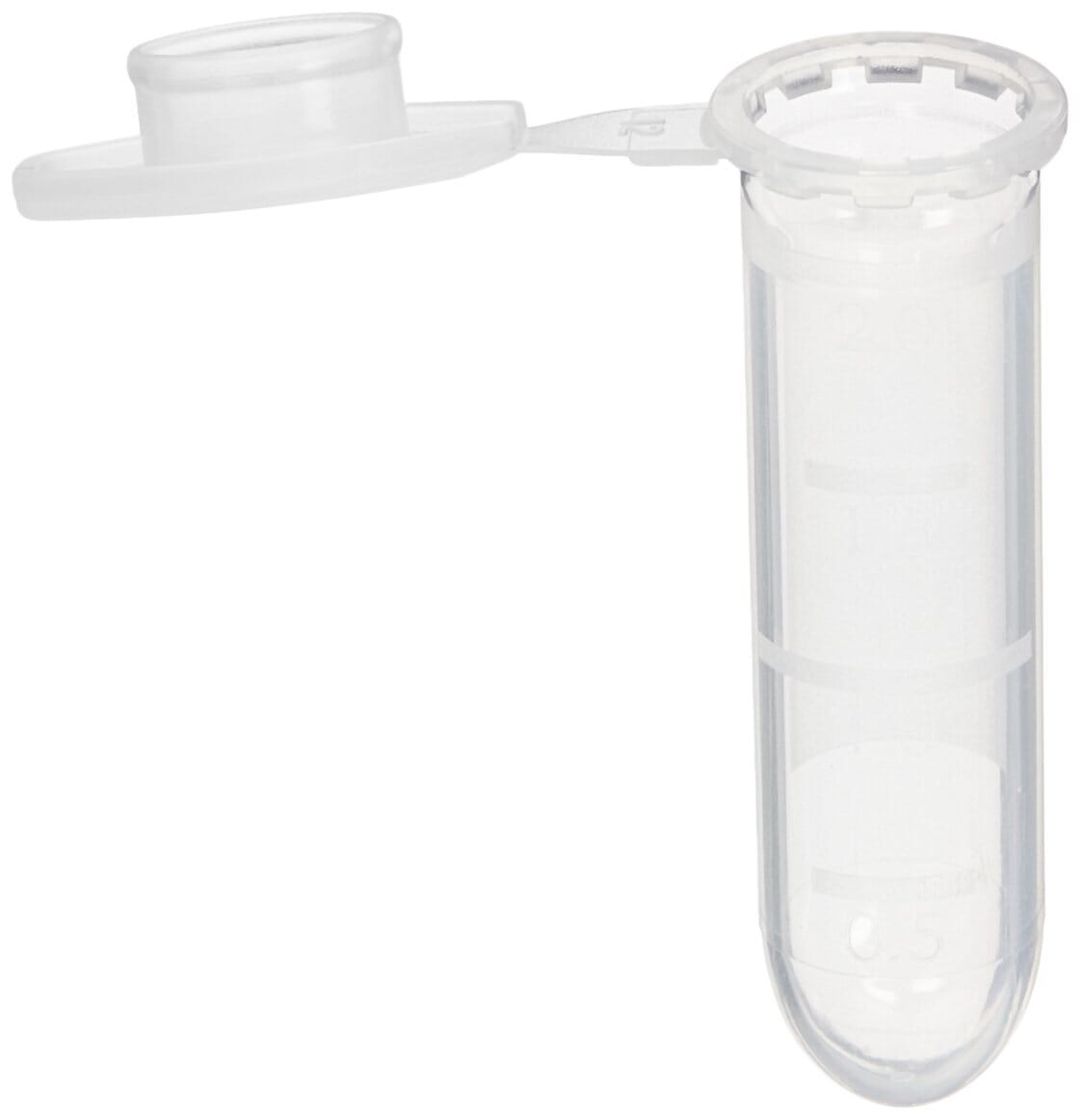
Micro Centrifuge Tube 2mL with snap cap Bag of 200
Quick View
Sale
Micro Centrifuge Tube 2mL with snap cap Bag of 200
- Price
- $7.99—$24.99
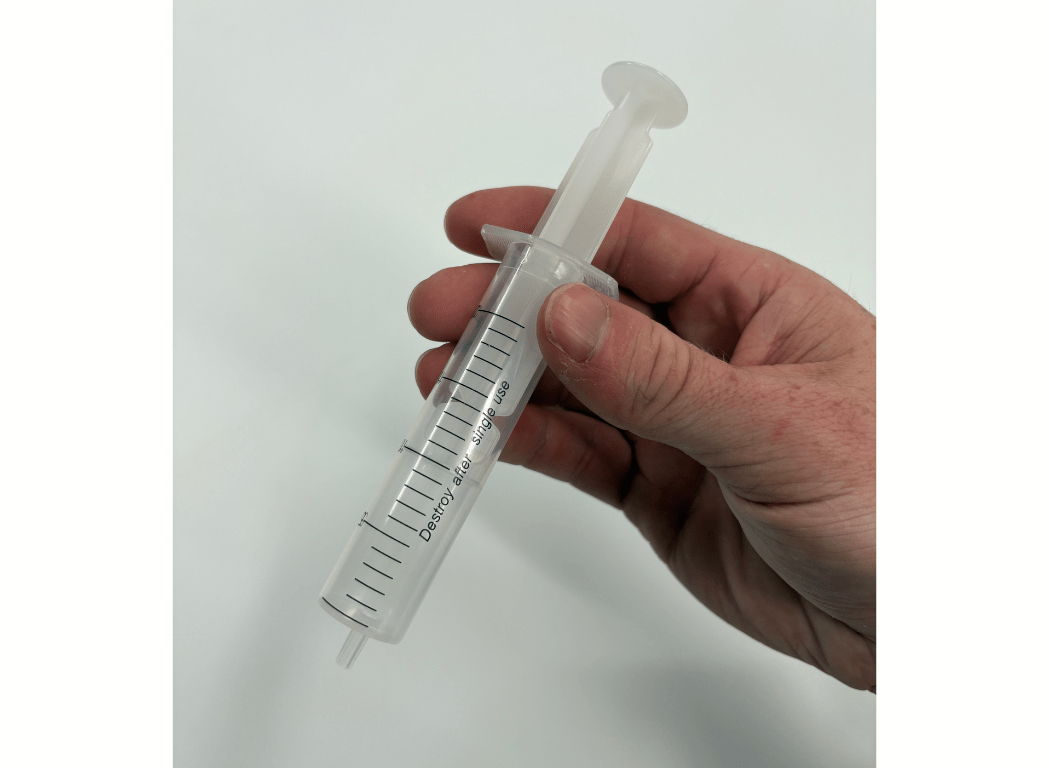
Semen Safe 20ml Syringes - 100ct
Quick View
29% off
Semen Safe 20ml Syringes - 100ct
- Sale price
- $49.99
- Regular price
- $70.00
3ml Syringe with 21 Gauge Needle
Quick View
Sale
3ml Syringe with 21 Gauge Needle
- Price
- $4.99—$16.99
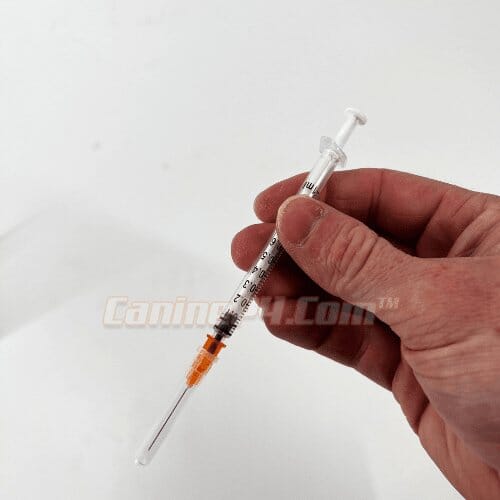
1ml Syringe with 25 Gauge Needle
Quick View
Sale
1ml Syringe with 25 Gauge Needle
- Price
- $4.99—$16.99
CaniPlus Chill LT Sperm Extender, Long-Term (10 Days) Chilled Culture Medium For Canine Semen

Quick View
Sale

CaniPlus Chill LT Sperm Extender, Long-Term (10 Days) Chilled Culture Medium For Canine Semen
- Price
- $43.99—$53.99
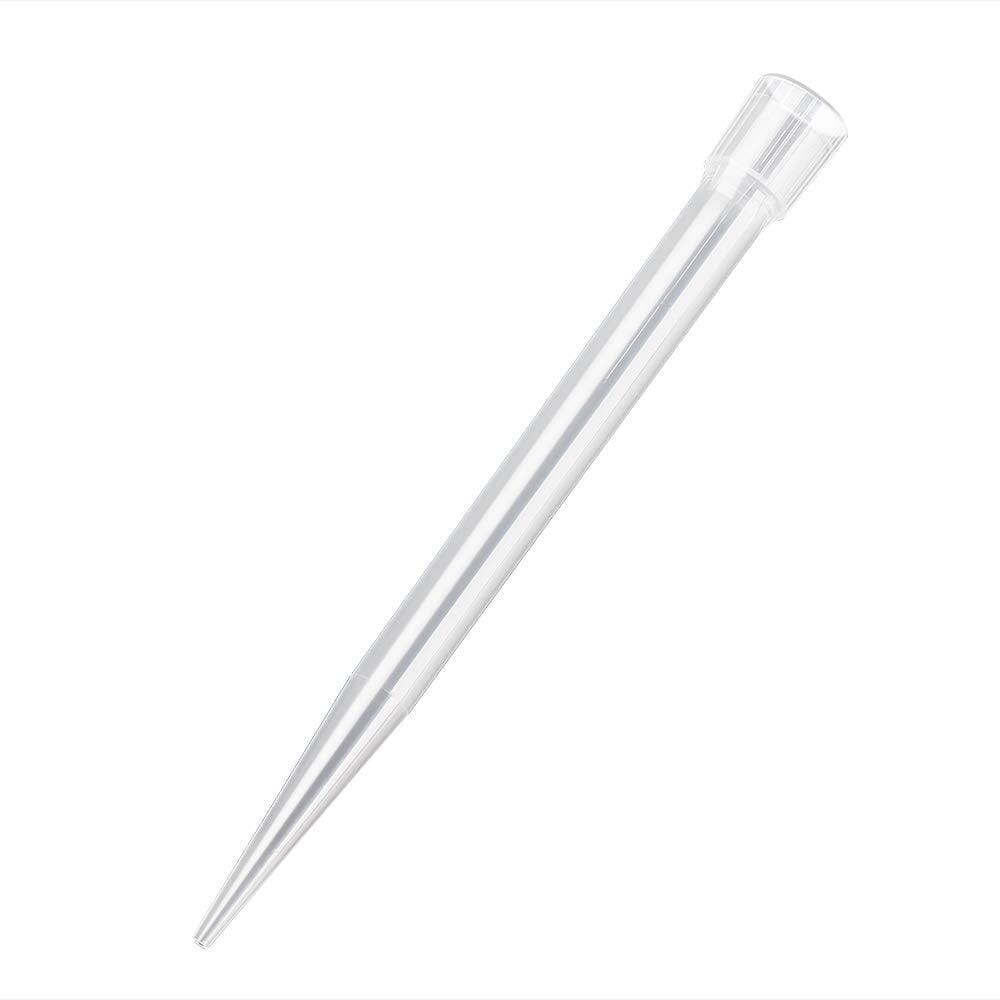
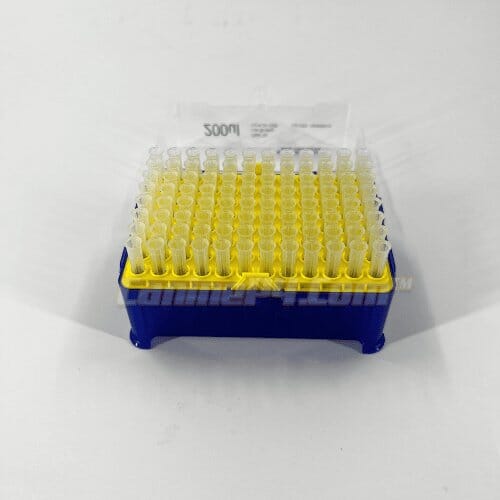
20-200ul Pipette Tips-1 Rack (96 tip ct)
Quick View
Sale
20-200ul Pipette Tips-1 Rack (96 tip ct)
- Price
- $10.99—$82.50
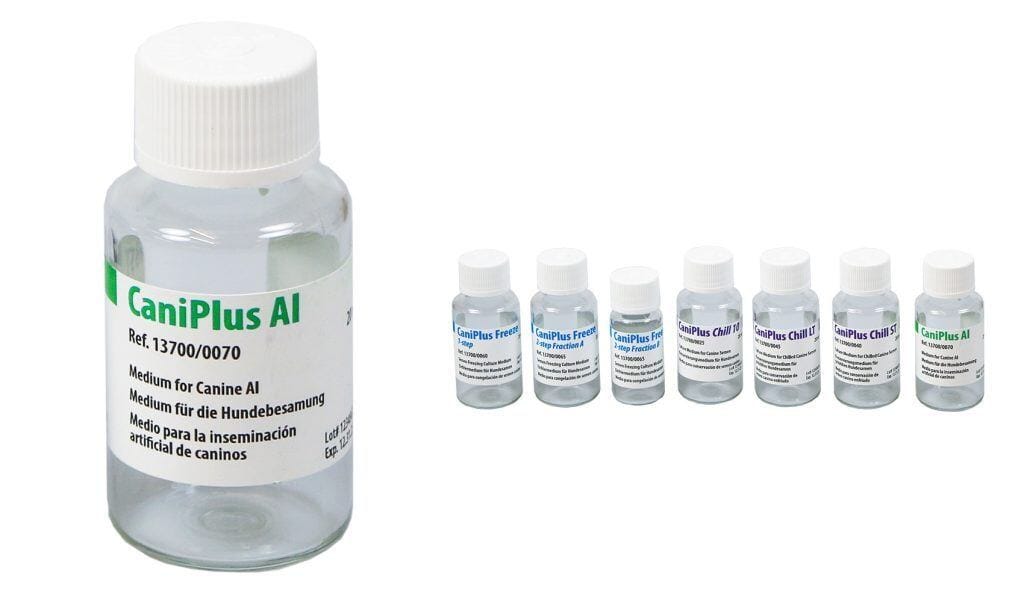
CaniPlus AI, Culture Medium for Thawing Semen and for Artificial Insemination
Quick View
CaniPlus AI, Culture Medium for Thawing Semen and for Artificial Insemination
- Price
- $59.99
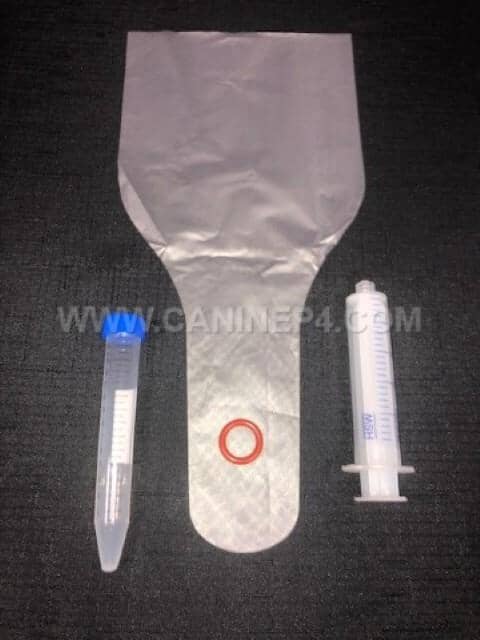
Dog Sperm Collection Kit (10ct)
Quick View
45% off
Dog Sperm Collection Kit (10ct)
- Sale price
- $10.99
- Regular price
- $19.99

- Choosing a selection results in a full page refresh.
Quick Links
Information Links

Our Mission

All of the CanineP4 Team members are dedicated to getting the best product fits for every customer we serve! Along with ongoing support via Chat, Email, or Phone! All with the best pricing available! Call us at 844-673-7378 we will be waiting to serve you!
PDF Catalog includes QR codes for scanning! Share with your friends, they will love it too!
