




















Canine Progesterone Tracker & Breeding Calculator
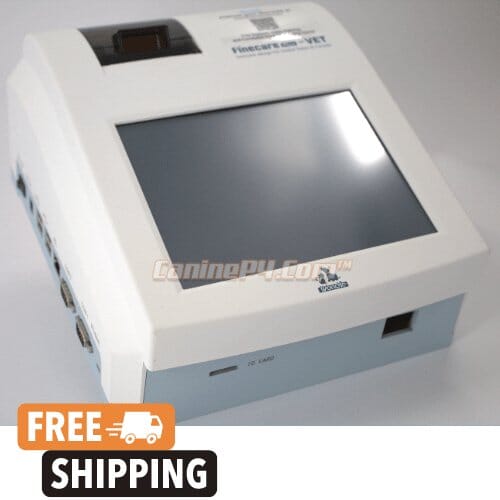
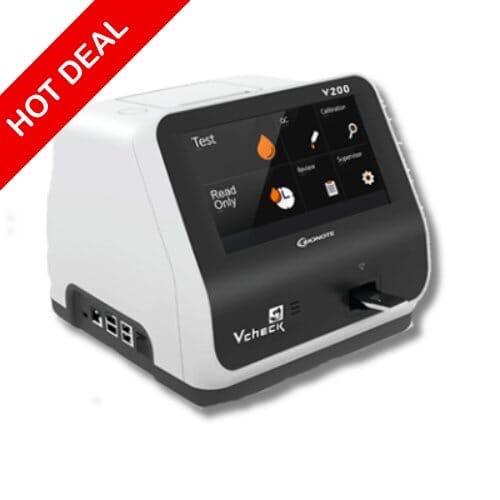
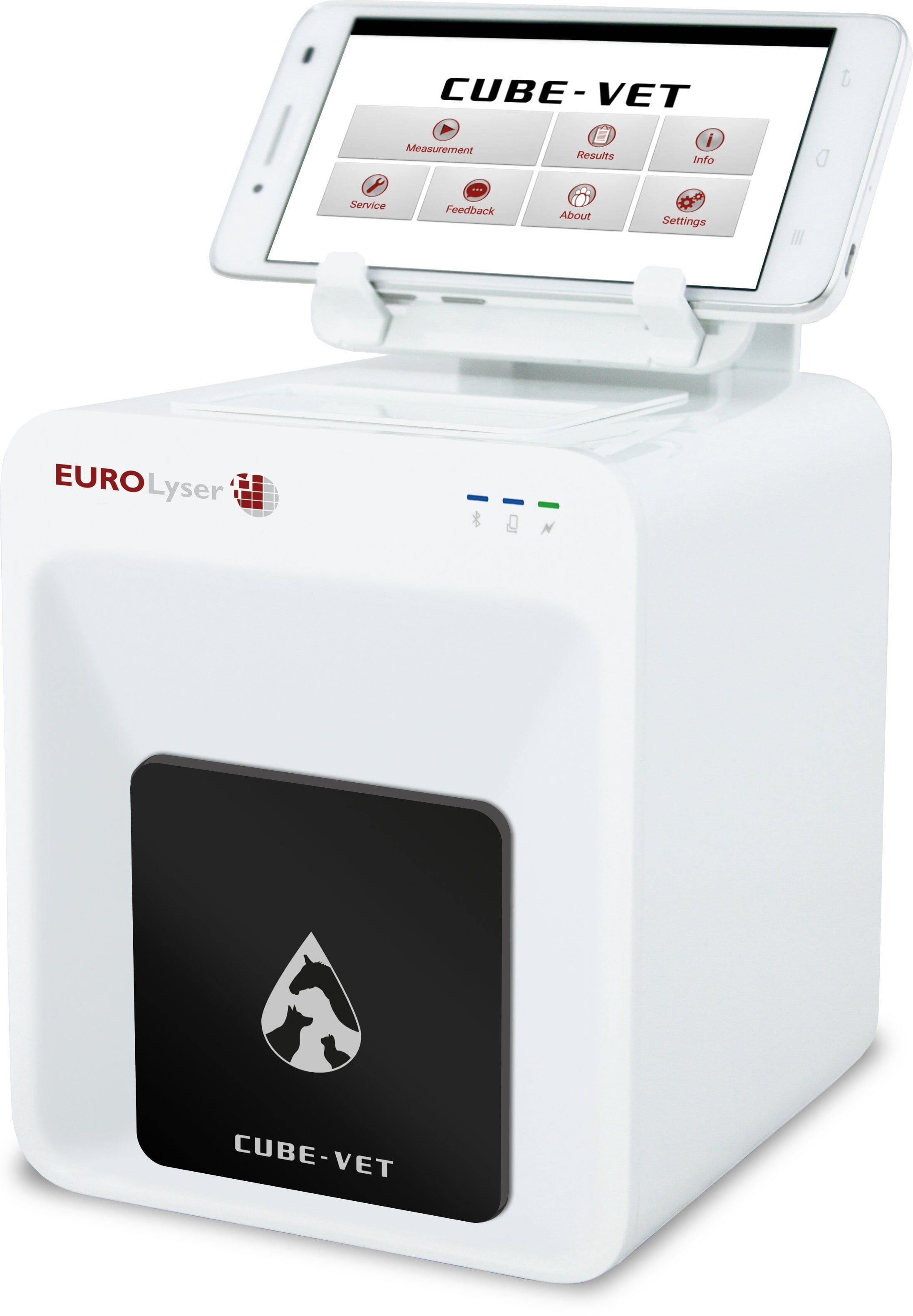
Enter your progesterone readings and get instant cycle-stage interpretation, retest cadence, projected breeding dates, and whelping estimates — calibrated for all 7 in-house analyzers. Not a substitute for veterinary guidance.
Support: 844-673-7378
BBB A+ Accredited
4.91 Stars — 1702+ Verified Reviews
Cycle Setup
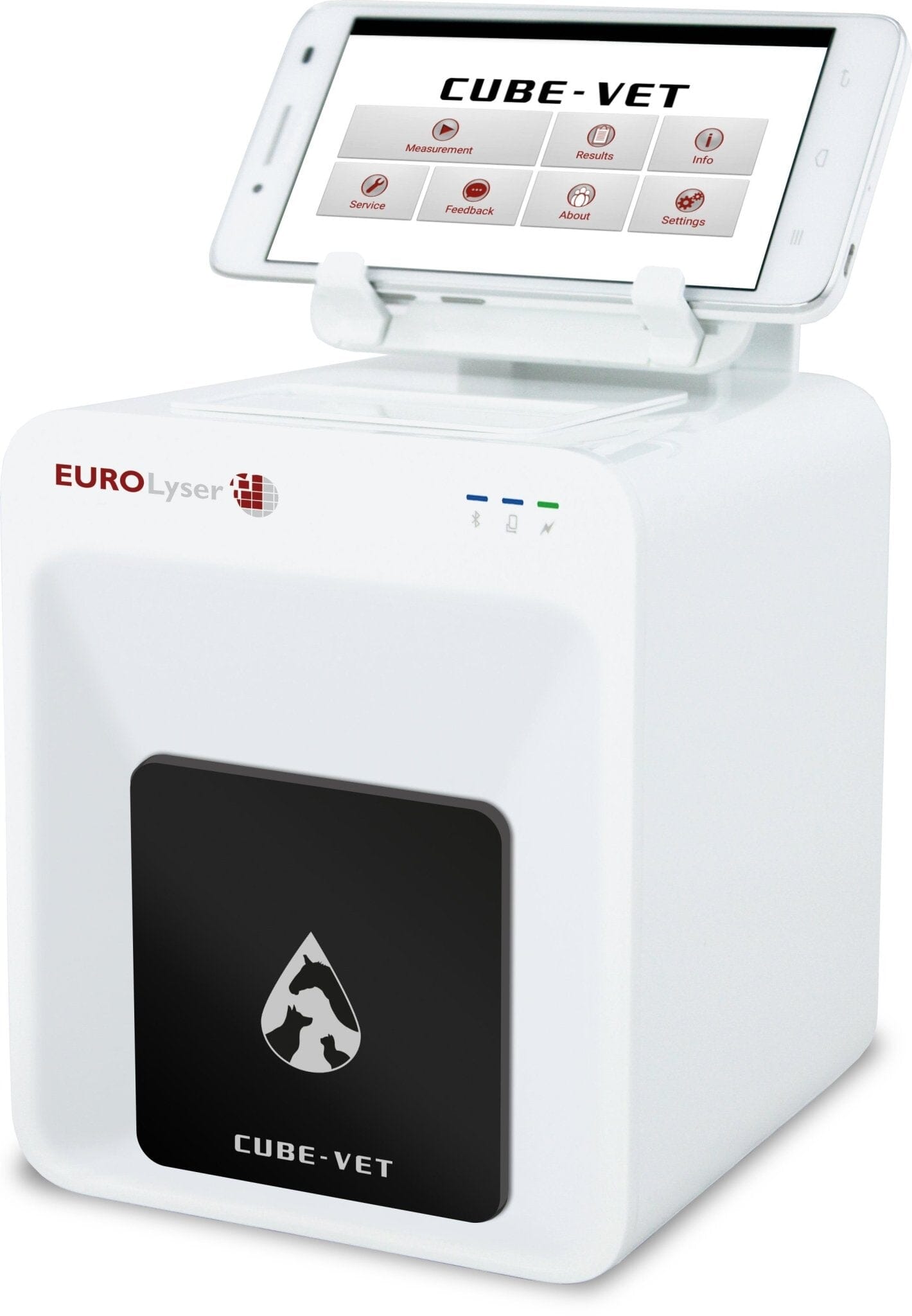
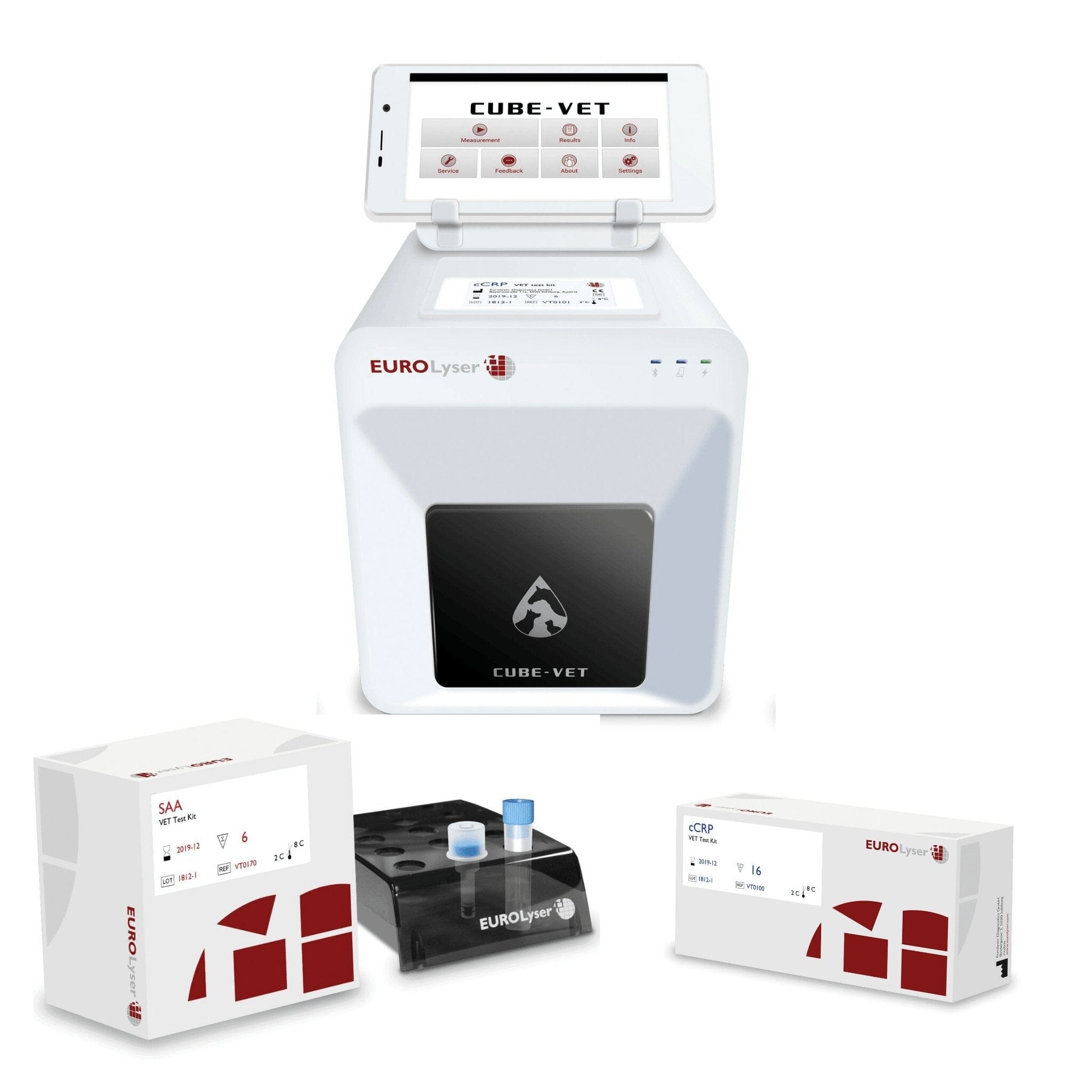
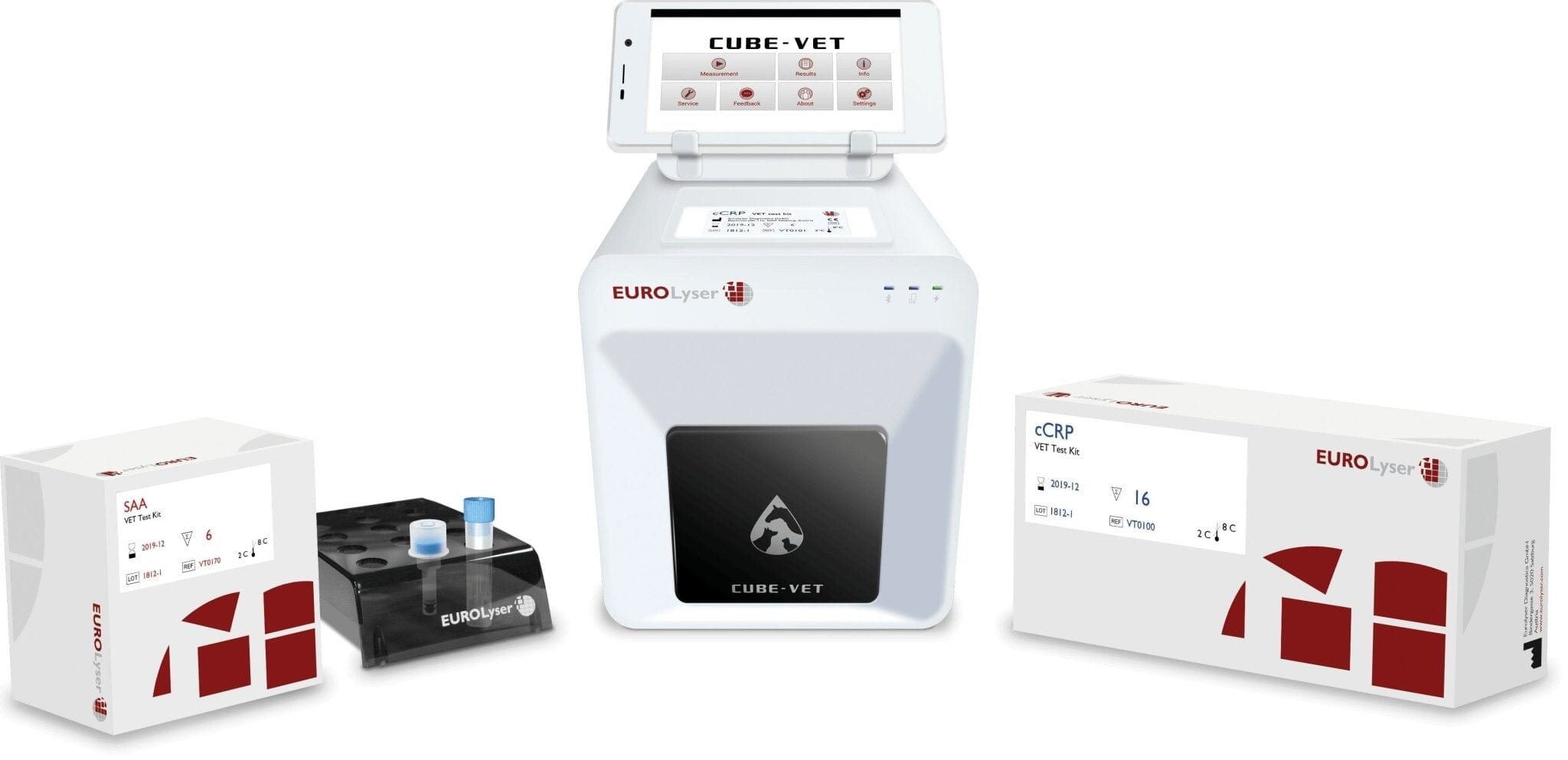
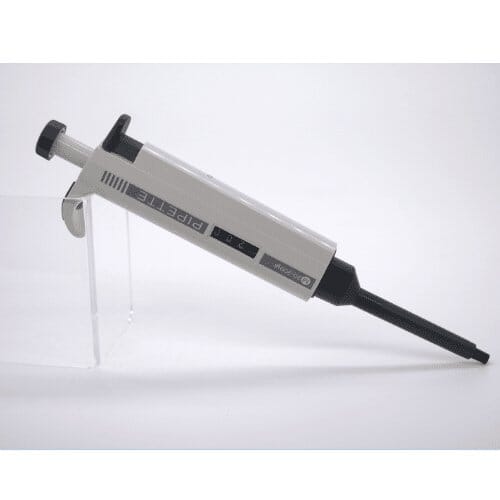
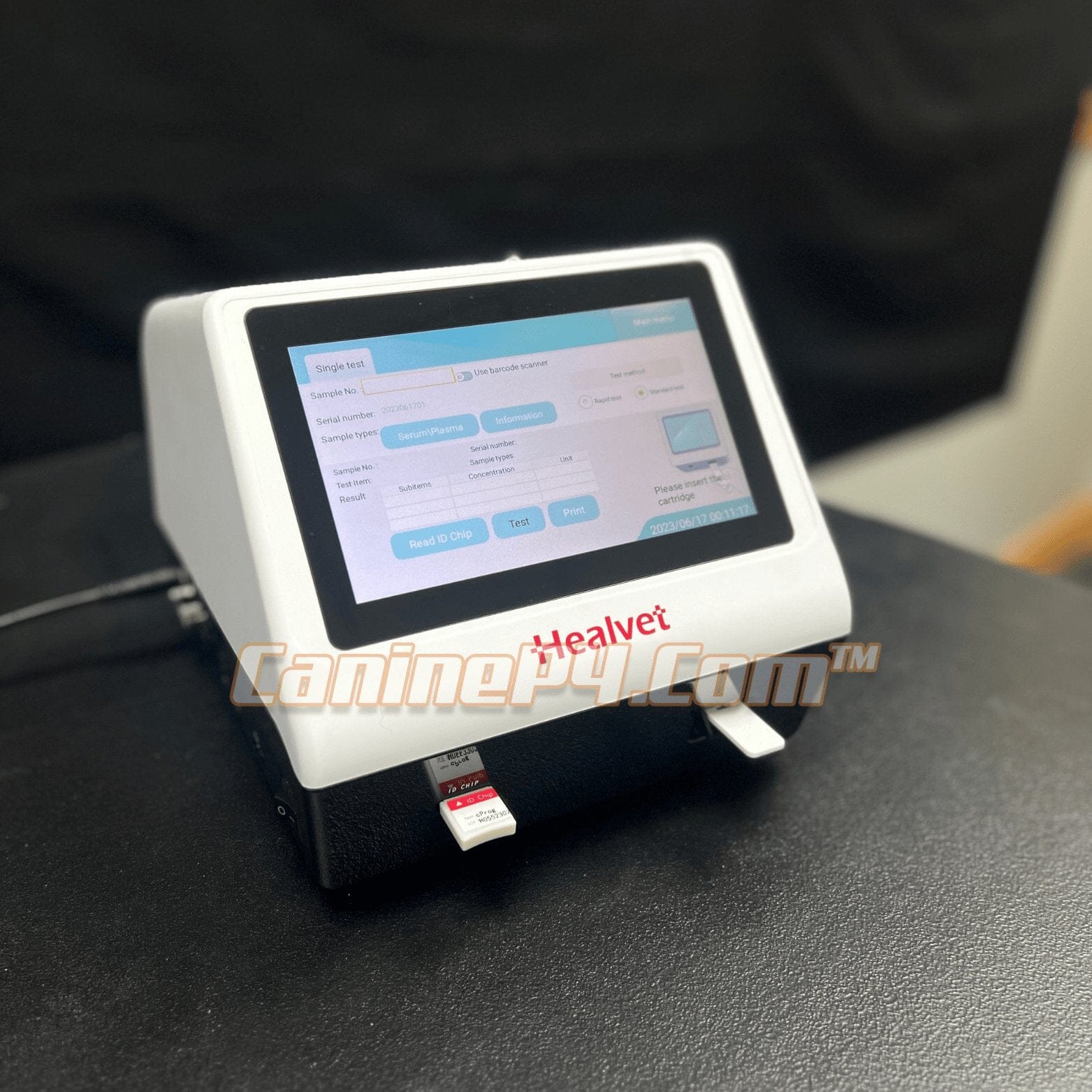
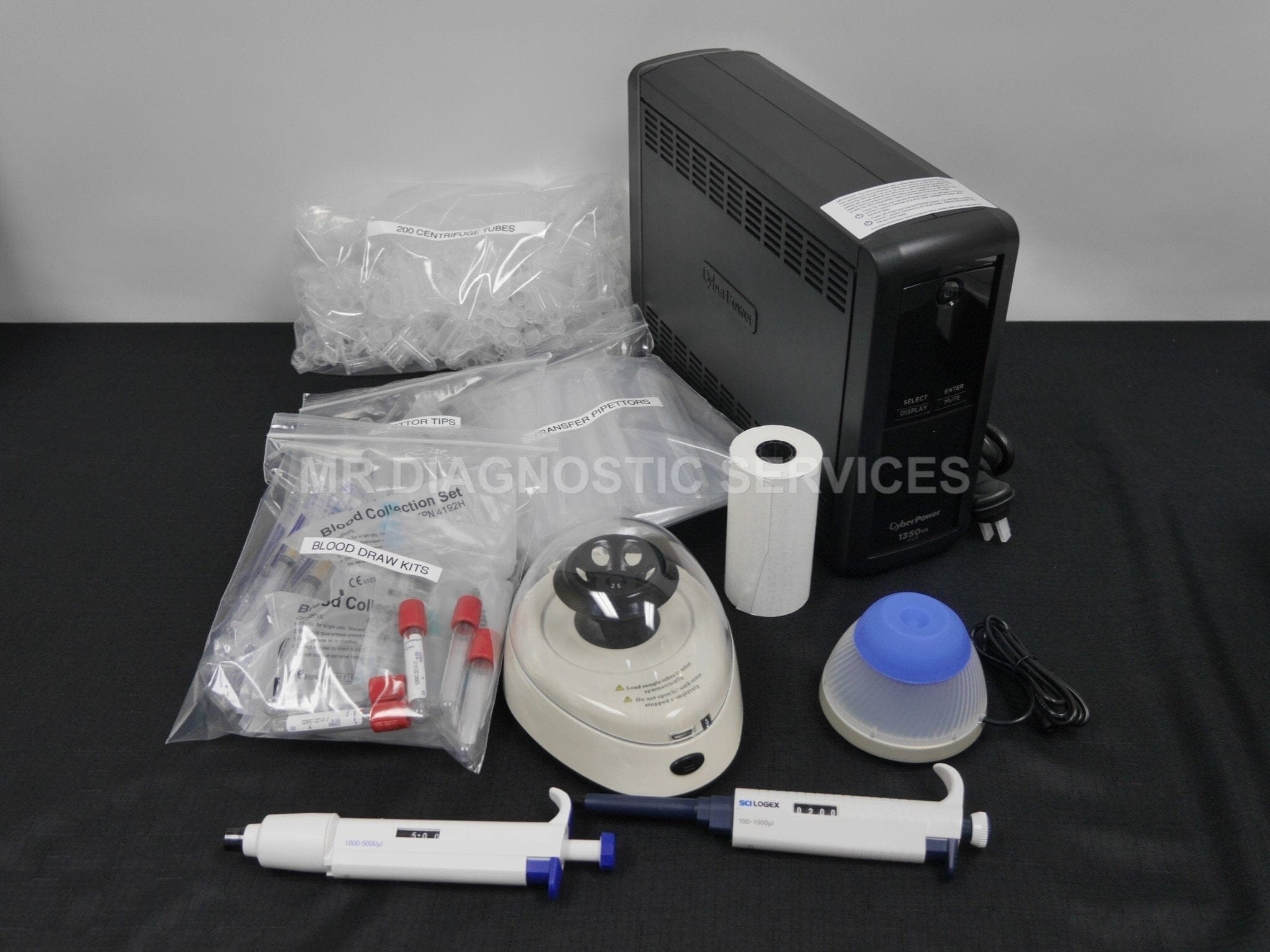
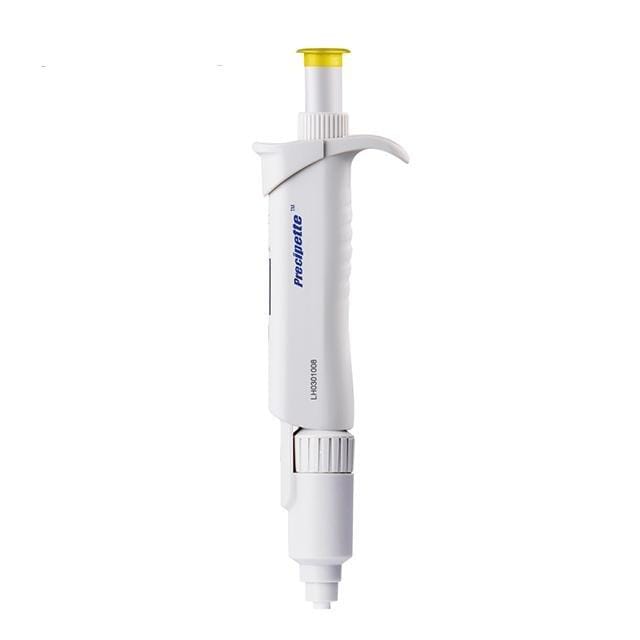
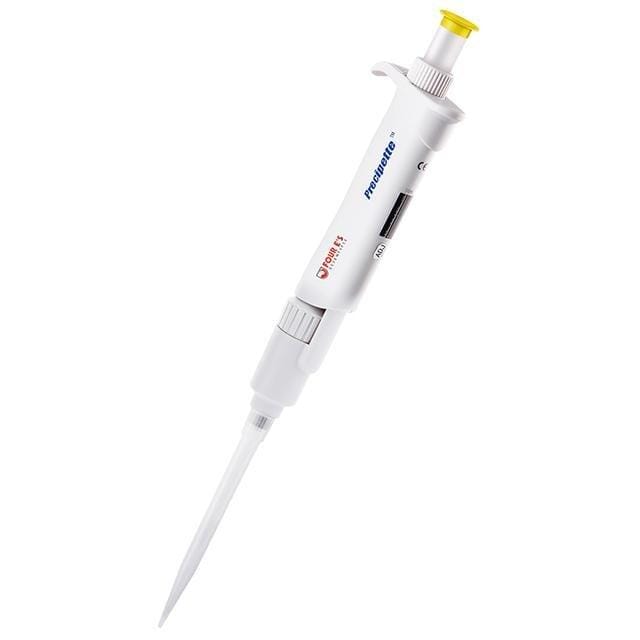
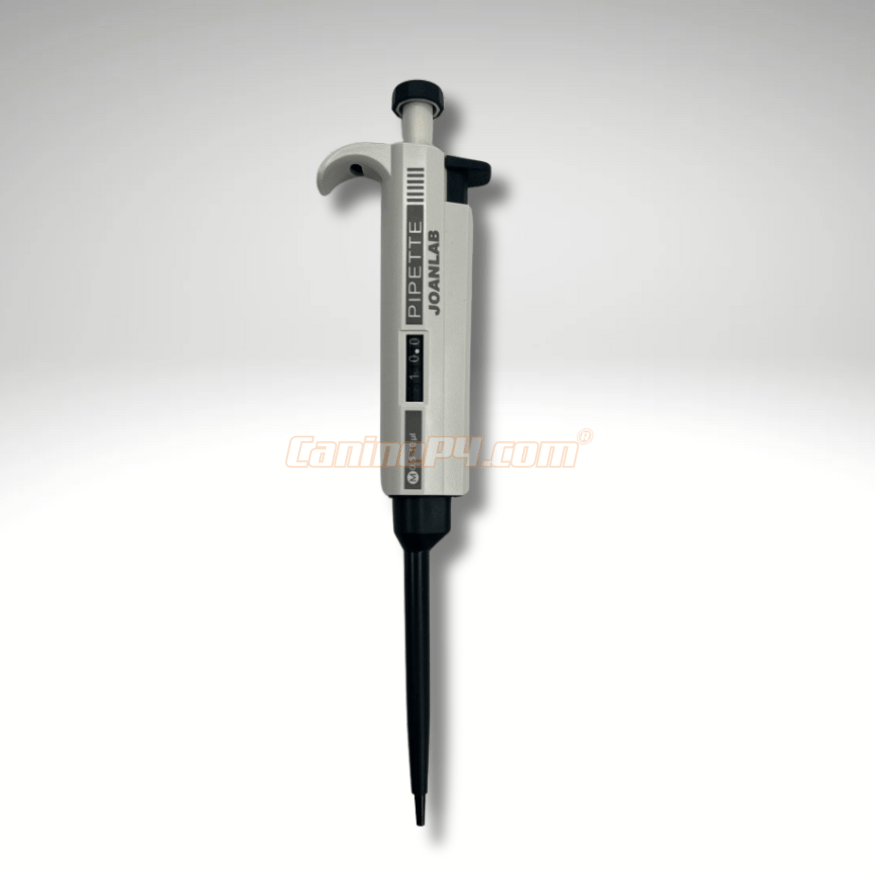
CUBE-VET pipette rule: the 40 µL setting reads 1.2–8.0 ng/mL. Once a result reaches 7.0 ng/mL or higher, switch to the 5 µL setting (reads 6.0–20.0 ng/mL) for the next test.
CanineP4 Progesterone Cycle Record
caninep4.com · 844-673-7378Test Log
| Test # | Date | Cycle Day | P4 (ng/mL) | Stage | Suggested Next Action |
|---|
No tests logged yet. Click + Add Test to begin tracking this cycle.
Timing charts are guidelines, not medical advice. Individual dogs vary by breed, age, and cycle. Use qualified veterinary oversight for surgical or invasive procedures and whenever progression does not make sense. © CanineP4 / MR Diagnostic Services — Support: 844-673-7378 · caninep4.com
Clinical Reference Library
Backed by veterinary reproductive references. Expand each section for details.
Estrus Cycle Stages
Proestrus
- What is happening: Beginning of the heat cycle; ovarian follicles develop.
- Common signs: Bloody discharge and vulvar swelling.
- Hormone pattern: Estrogen rises; progesterone generally remains near baseline.
- Breeding relevance: Not yet fertile. Use visible signs to identify cycle start and begin planning serial testing.
Estrus
- What is happening: The receptive phase of the cycle in which ovulation occurs.
- Common signs: Discharge may lighten; receptive behavior / flagging may appear.
- Hormone pattern: Estrogen falls and progesterone rises.
- Breeding relevance: Key timing phase. Serial P4 testing helps estimate LH surge, ovulation, egg maturation, and the fertile window.
- Caution: Behavior alone does not reliably identify ovulation.
Diestrus
- What is happening: The phase after estrus; receptivity ends whether or not pregnancy occurs.
- Hormone pattern: Progesterone remains elevated for a period.
- Breeding relevance: Window has passed; ovulation dating supports pregnancy and delivery planning.
- Caution: Ovulation date is more useful than breeding date for estimating whelping.
Anestrus
- What is happening: Reproductive resting phase between cycles.
- Hormone pattern: Low reproductive hormone activity.
- Breeding relevance: No timing activity; useful period for records and next-cycle preparation.
The Biological Clock: LH Surge, Ovulation & Egg Maturation
LH Surge
- Definition: The hormonal trigger that starts the ovulatory sequence. Day 0 reference point.
- What P4 tells you: Progesterone begins a distinct rise around this period.
- Key caution: LH is not directly measured by most breeder P4 analyzers.
Ovulation
- Definition: Release of immature oocytes (eggs) from the ovaries.
- Approximate timing: Usually about 24–48 hours after the LH surge.
- What P4 tells you: A strong continued rise or “ovulation jump” helps estimate that ovulation is near or has occurred.
- Key caution: No single progesterone value universally confirms ovulation across all analyzers and dogs.
Egg Maturation
- Definition: The period after ovulation when canine oocytes mature and become fertilizable.
- Approximate timing: Roughly another 1–3 days after ovulation; often framed around days 4–5 from the LH surge.
- Practical meaning: Coordinate breeding so viable sperm are present when eggs are mature.
Fertile Window
- Definition: The period when mature eggs and viable sperm overlap.
- Practical meaning: Natural/fresh is more forgiving; chilled is tighter; frozen + TCI is narrowest.
- Key caution: Use your veterinarian’s specific plan for frozen semen and procedures.
Testing Rules & Common Pitfalls
Baseline Testing
- Start based on cycle history and your veterinary plan; early testing establishes the baseline that makes the later rise meaningful.
- Record date, time, cycle day, P4 value, and analyzer for every test.
- Never breed by calendar day alone.
Testing Frequency
- Test every 2–3 days early; tighten to 24–48 hours as P4 rises and precision matters.
- A distinct rise is the trigger to increase frequency.
Ovulation Jump & Progression
- Trend is more useful than a single isolated result. Look for a significant rise and confirm continued progression.
- A jump alone should not replace confirmation or veterinary judgment.
Stalls, Split Heats & Unexpected Results
- If a result does not fit the trend, repeat it. Review sample, lot, storage, QC, and procedure before making a breeding decision.
- If the next result stays in the Estimated Ovulation range, continue monitoring for slow progression, a stall, or a split heat.
- For high-stakes frozen semen, confirmation is cheaper than guessing.
Sample Quality
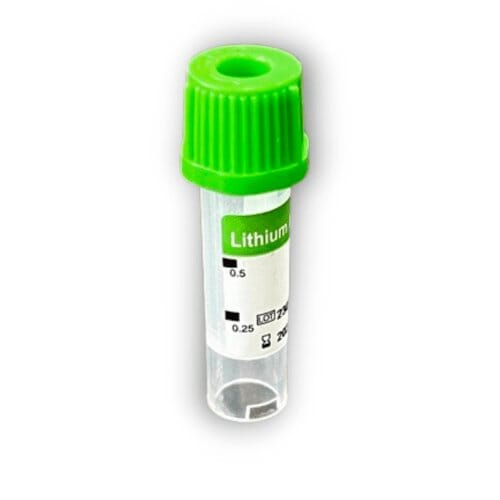
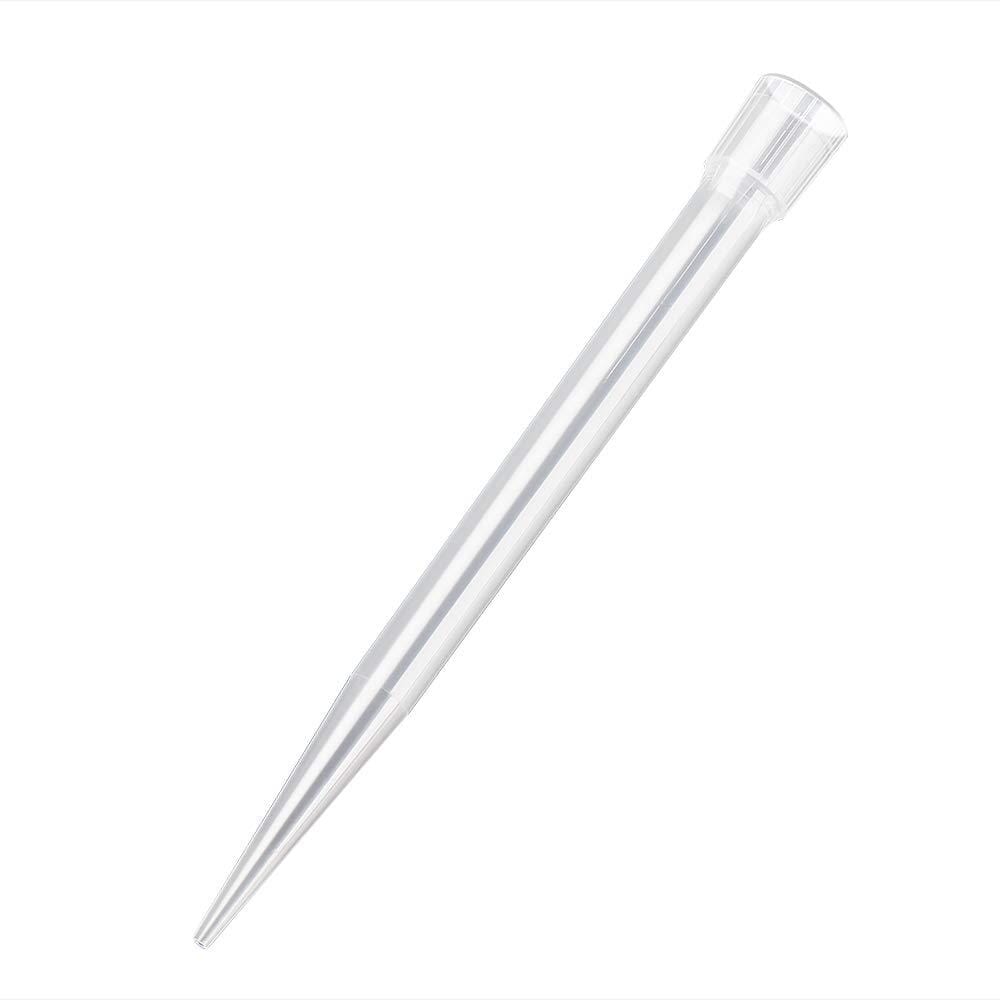
- Use the correct sample type and tube, clean collection, proper clotting/centrifugation, exact pipetting, and proper storage.
- A machine cannot rescue a poor sample.
Semen Type & Reverse Timing
- Natural/fresh has a wider margin; chilled is tighter; frozen + TCI is narrowest.
- Record the estimated ovulation date: average whelping is about 63 days after ovulation. Ovulation date is more reliable than breeding date for due-date planning.
Veterinary Citations
Interpretation frameworks in this tool align with the following veterinary references:
- UC Davis — Ovulation Timing in the Dog
- Merck Veterinary Manual — Breeding Management of Bitches
- Merck — Reproductive Management of the Female Small Animal
- Colorado State University — Artificial Insemination with Canine Semen
- Cornell — The Normal Whelping Process
Timing charts are guidelines rather than breeding or medical advice. Individual dogs vary by breed, age, cycle, and other factors. Use qualified veterinary oversight for surgical or invasive procedures and whenever progression does not make sense.
- Choosing a selection results in a full page refresh.
Quick Links
Information Links

Our Mission

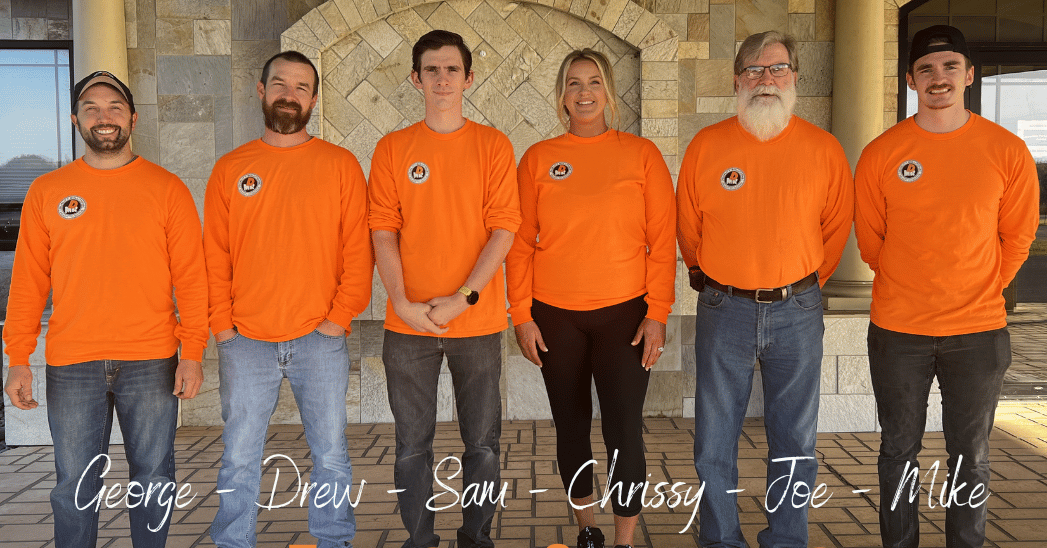
All of the CanineP4 Team members are dedicated to getting the best product fits for every customer we serve! Along with ongoing support via Chat, Email, or Phone! All with the best pricing available! Call us at 844-673-7378 we will be waiting to serve you!
PDF Catalog includes QR codes for scanning! Share with your friends, they will love it too!
