


















Progesterone Test for Dogs at Home
Testing canine progesterone at home has revolutionized modern dog breeding. Historically, breeders were tethered to veterinary clinic schedules, paying $75 to $250 for every blood draw and waiting 12 to 24 hours for outside laboratory results. During a rapidly progressing fertile window—especially over weekends—those delays routinely caused missed breedings, poor conception rates, and smaller litters.
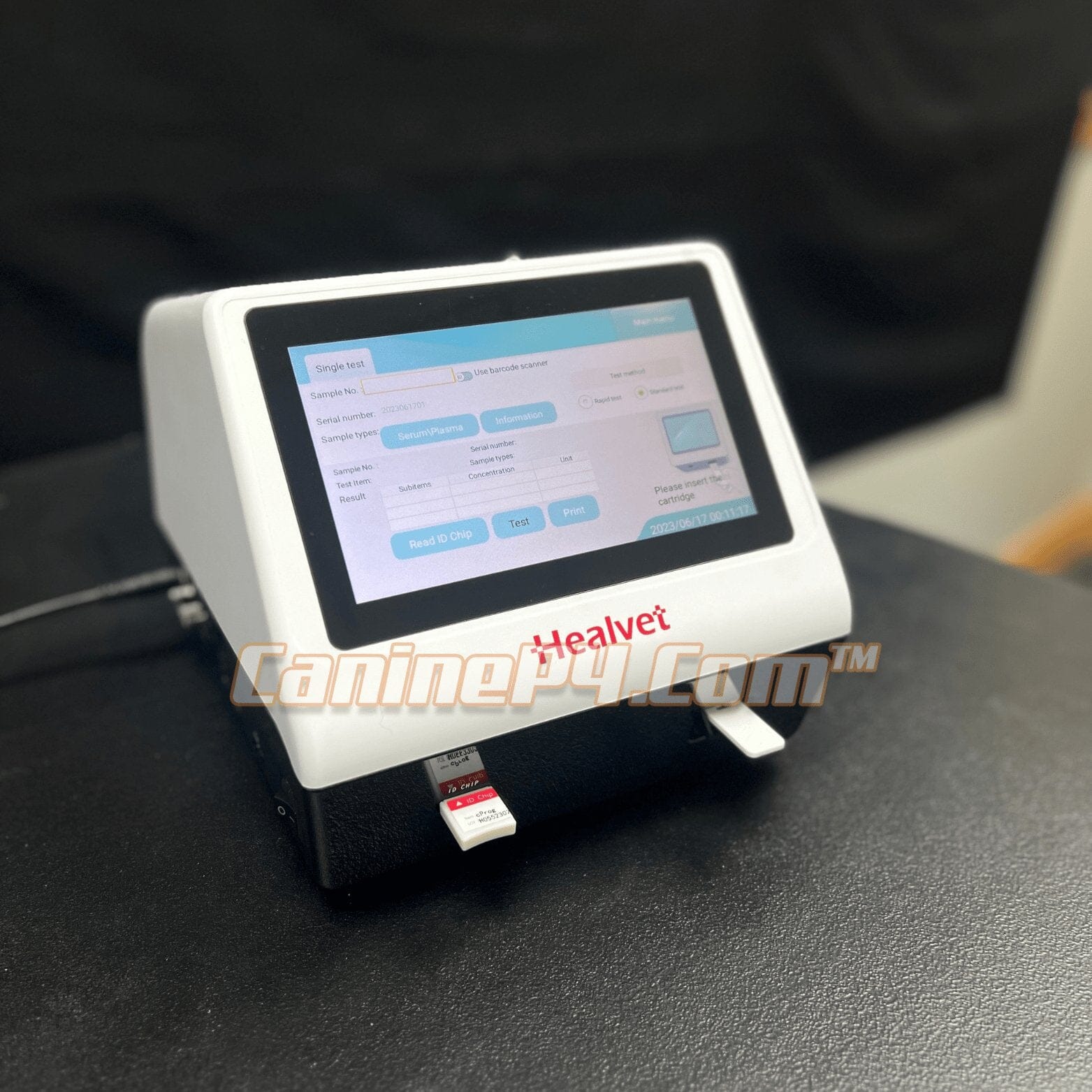
Today, portable benchtop fluorescence immunoassay (FIA) analyzers allow breeders to run quantitative serum progesterone tests in their own kennel or home office and receive laboratory-accurate numerical results in 10 to 15 minutes. This practical guide walks through the step-by-step blood processing protocol, the essential lab equipment required, machine selection criteria, and a side-by-side cost analysis of in-house testing versus clinic visits.
Why Test Dog Progesterone at Home?
During a female dog's heat cycle, physical signs like vaginal bleeding and behavioral standing heat are notoriously unreliable indicators of ovulation. Progesterone is the only reproductive hormone that rises predictably before, during, and after ovulation. Testing in-house gives breeders four decisive advantages:
10–15 Minute Turnaround
No waiting 24 hours for reference lab send-outs while your female's fertile window passes. Make timely breeding, travel, and semen shipping decisions immediately.
Substantial Cost Savings
Veterinary clinics charge $75 to $250 per blood draw. In-house test consumables cost between $9 and $22 per test strip, saving thousands every year.
Stress-Free for Dogs
Eliminate repeated car rides, crowded clinic waiting rooms, and veterinary anxiety during your female dog's sensitive reproductive cycle.
Anytime Testing Freedom
Run tests late at night, early in the morning, or on weekends and holidays when veterinary offices are closed and emergency clinics charge triple fees.
Video Walkthrough (5:32)
Can Dog Breeders Use a Progesterone Machine at Home Without a Vet?
Watch how in-house testing works with modern portable equipment, why quantitative results take only 10 to 15 minutes, and how breeders save $1,000+ per litter.
Step-by-Step At-Home Testing Protocol
Running a canine progesterone test at home requires basic laboratory technique that can be mastered with proper training. Follow this standard four-step procedure for every serial draw:
1
Blood Sample Collection (Venipuncture)
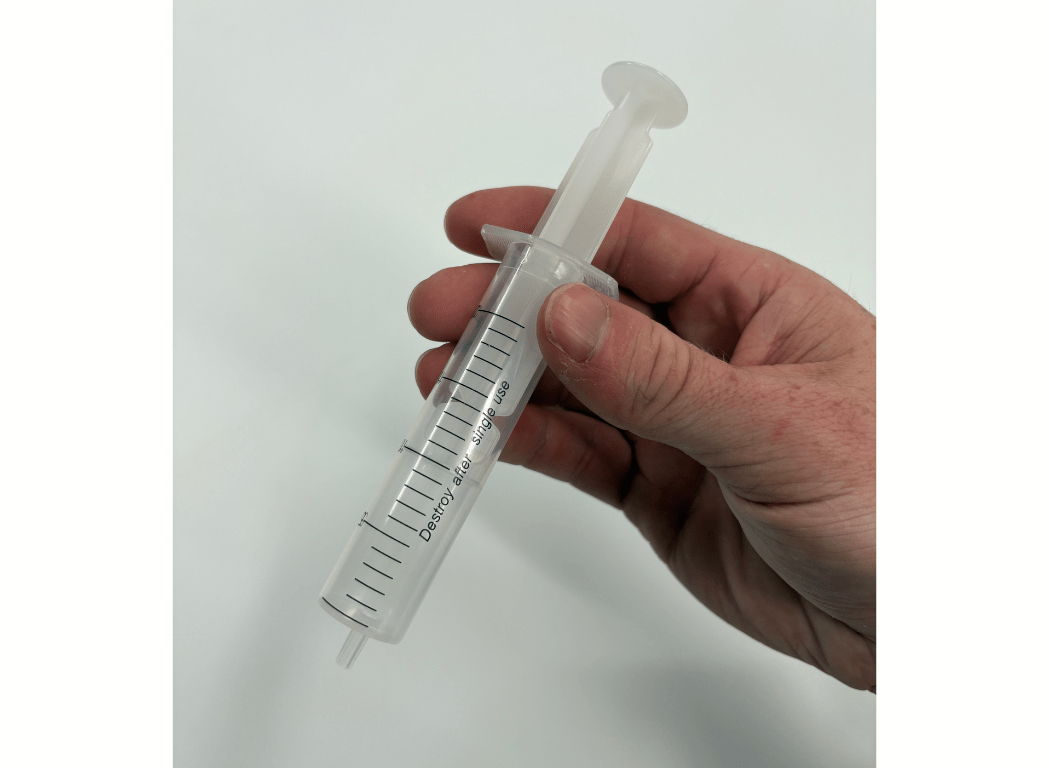
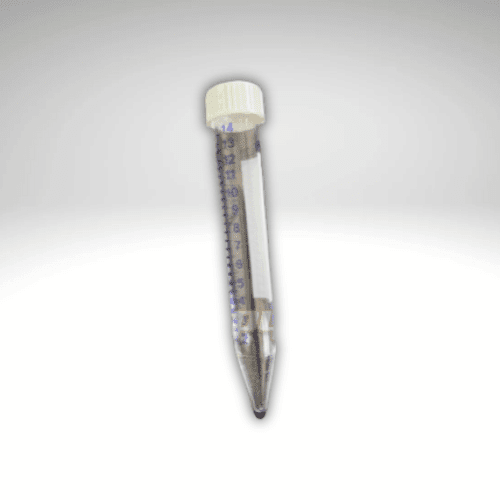
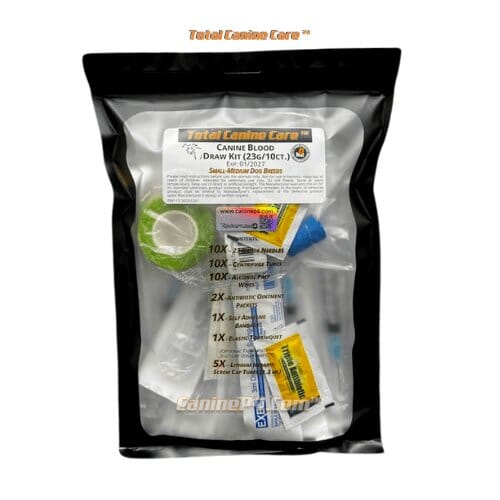
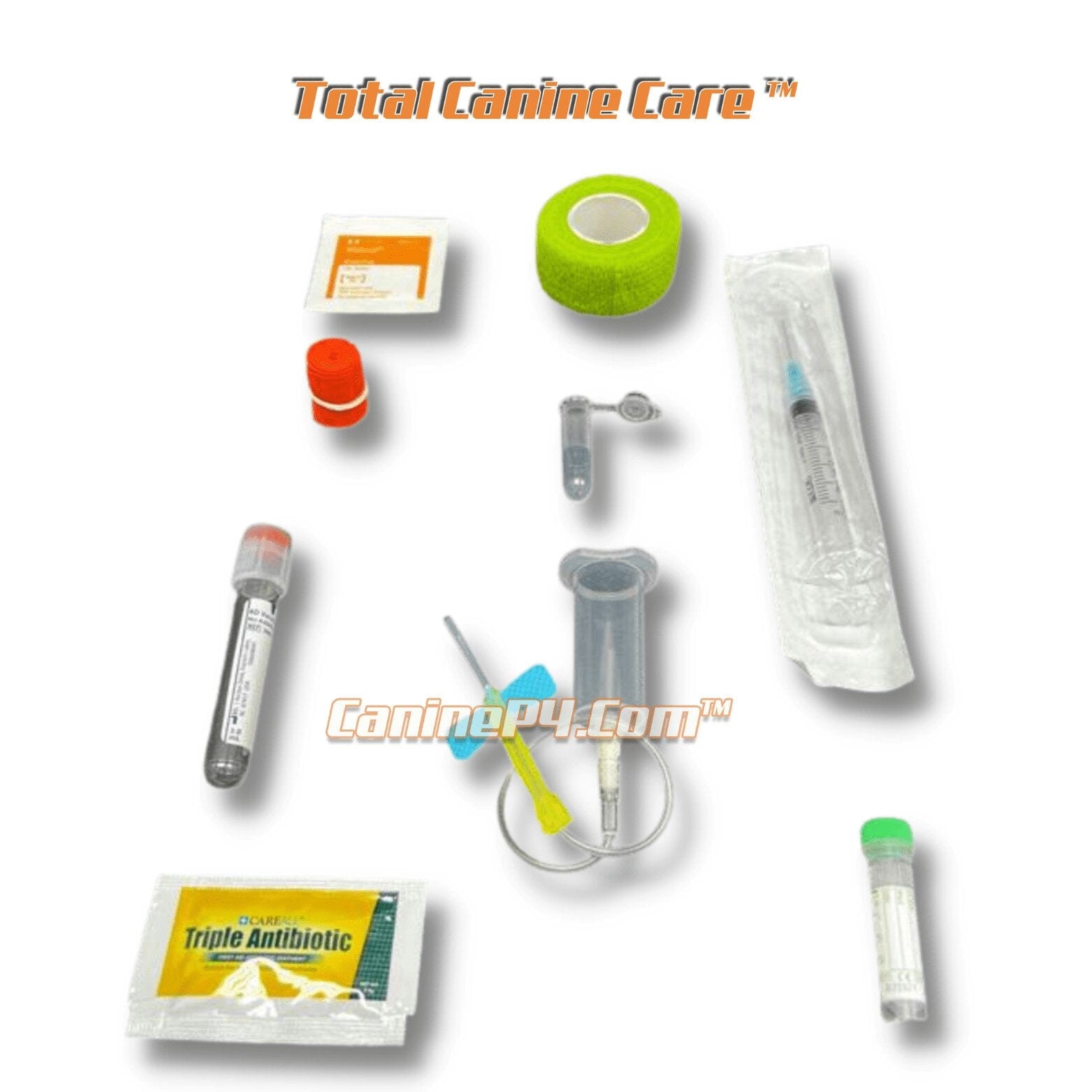
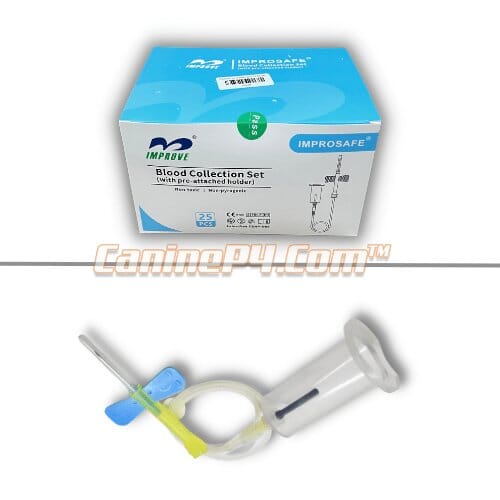
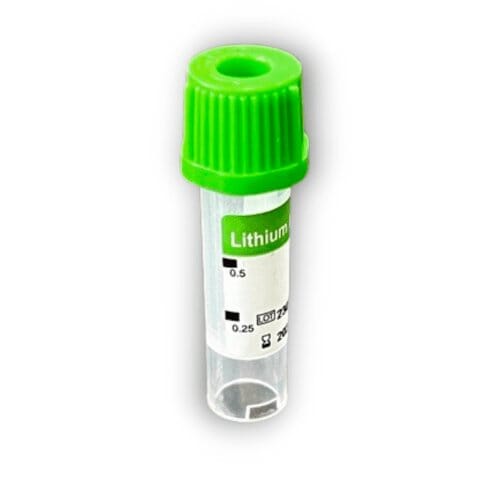
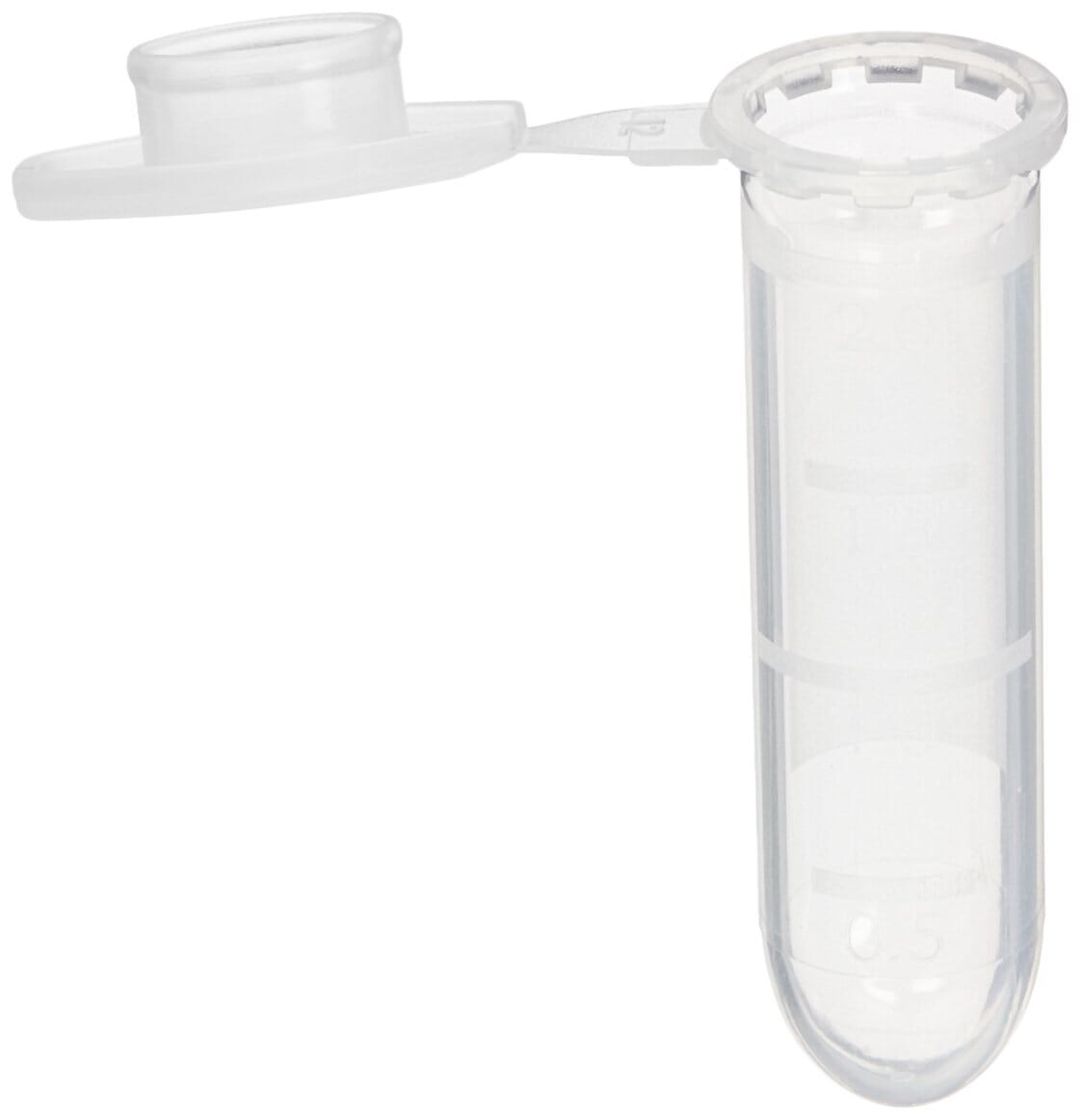
Collect a 1 to 3 mL venous blood sample from the cephalic vein (front leg) or jugular vein using a needle or butterfly collection set sized to your dog: 21G for large dogs, 23G for small-to-medium breeds, or 25G for toy breeds. Draw into an additive-free blood collection tube or centrifuge cup (or optional lithium heparin tube for thick serum). For standard additive-free tubes, let the sample stand upright at room temperature for 10 minutes to allow natural clotting before centrifugation.
2
Centrifuge Serum Separation
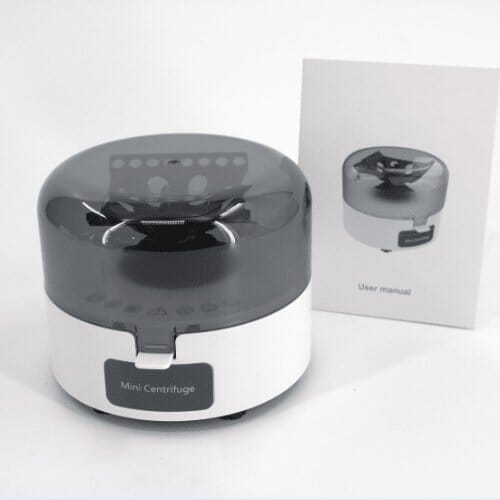
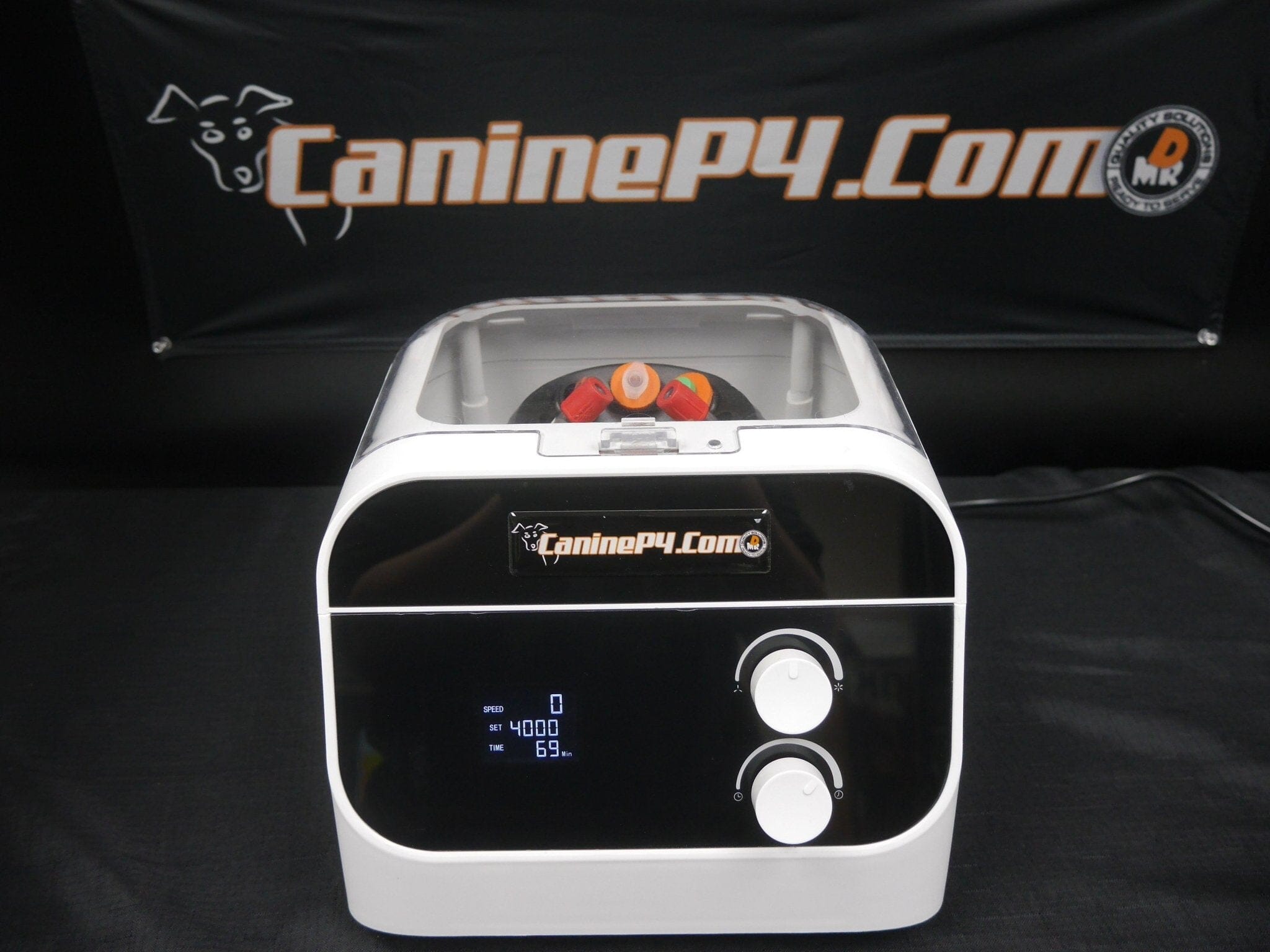
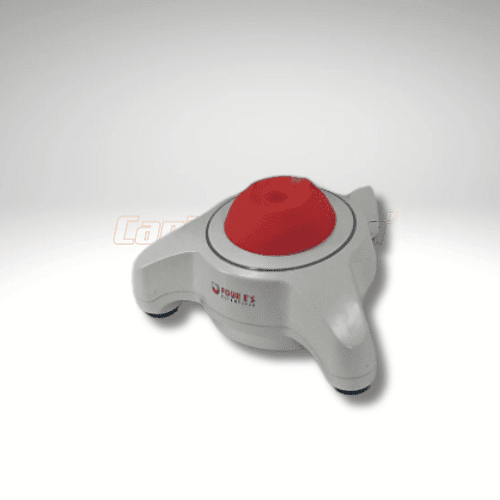
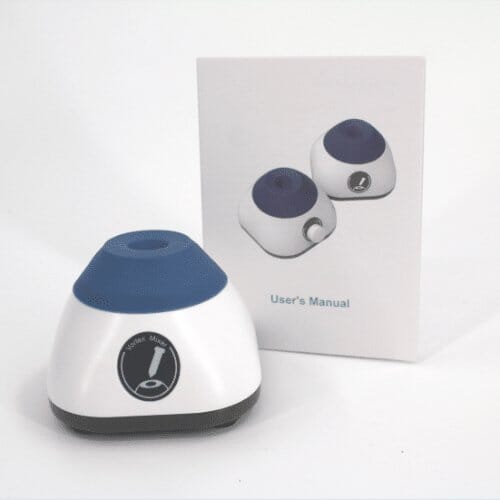
Place the blood tube into a benchtop mini centrifuge alongside an opposing balance tube filled with an identical volume of water. Spin at 4,000+ RPM for 5 to 10 minutes. Centrifugation cleanly separates cellular components (red blood cells) from clear, straw-colored serum (the Pro-DX also has whole blood test kits available, which bypass centrifugation). Critical lab rule: Never test hemolyzed (red-tinted) serum; ruptured red blood cells absorb light and interfere with optical fluorescence sensors.
3
Precision Micropipetting & Buffer Incubation
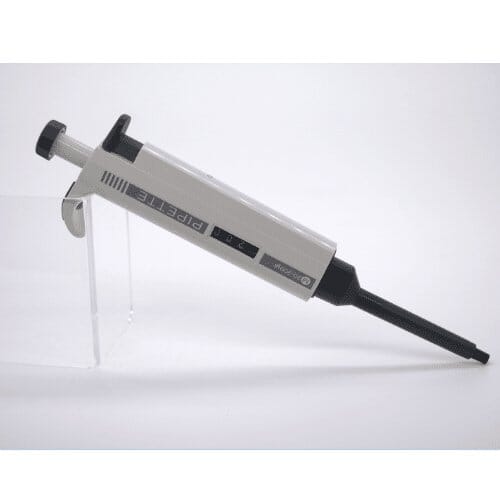
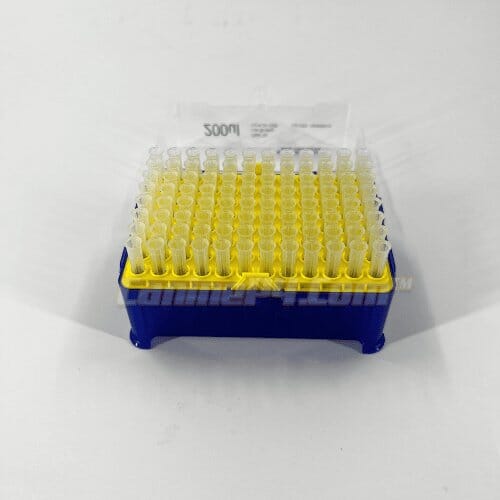
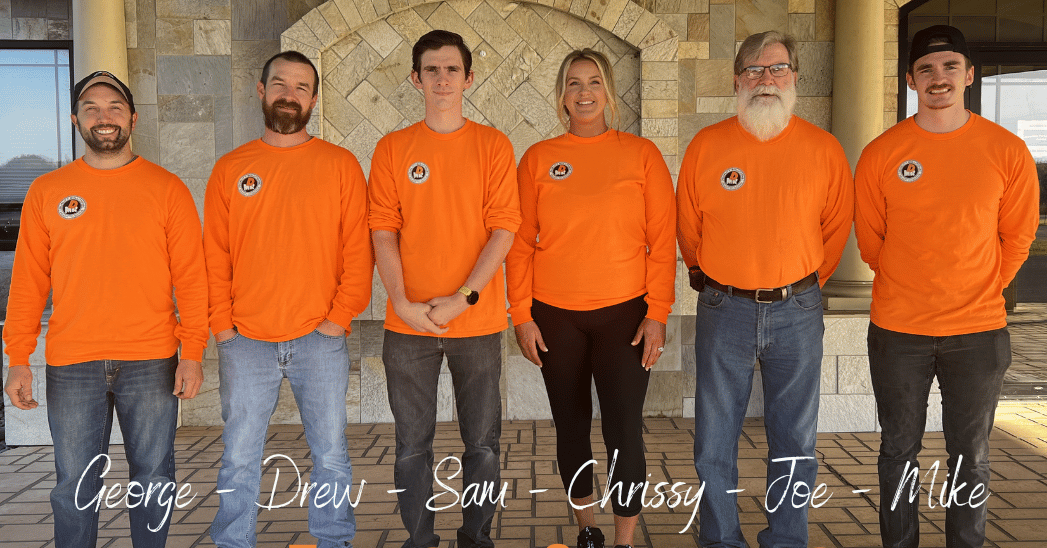
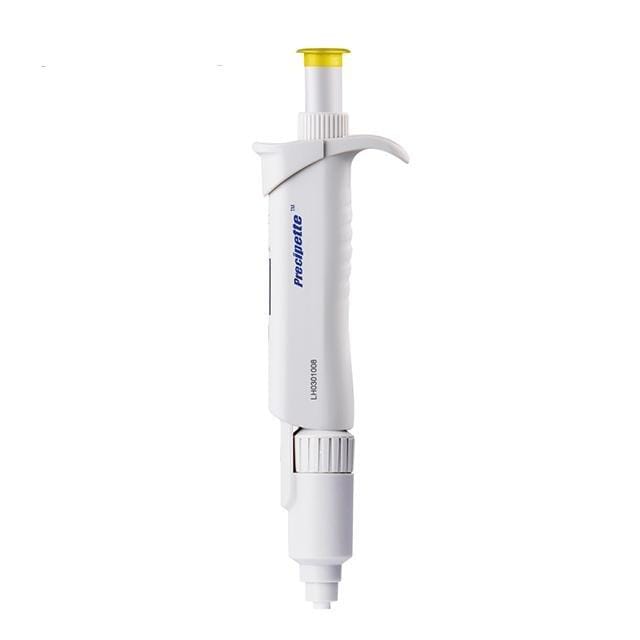
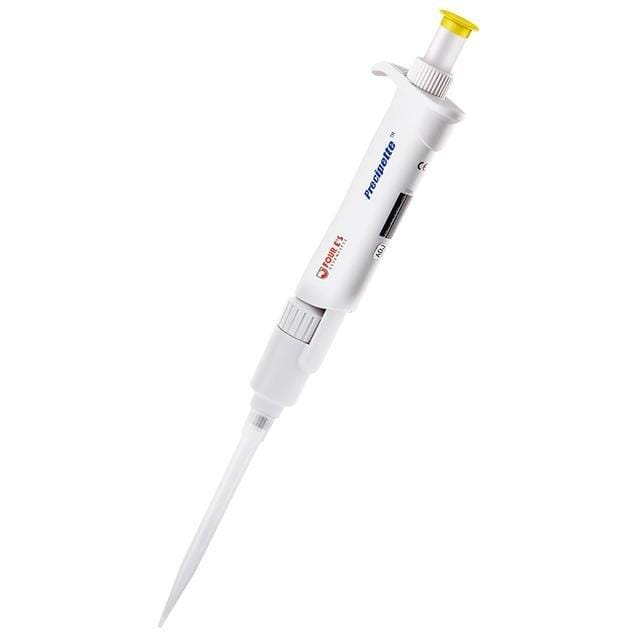
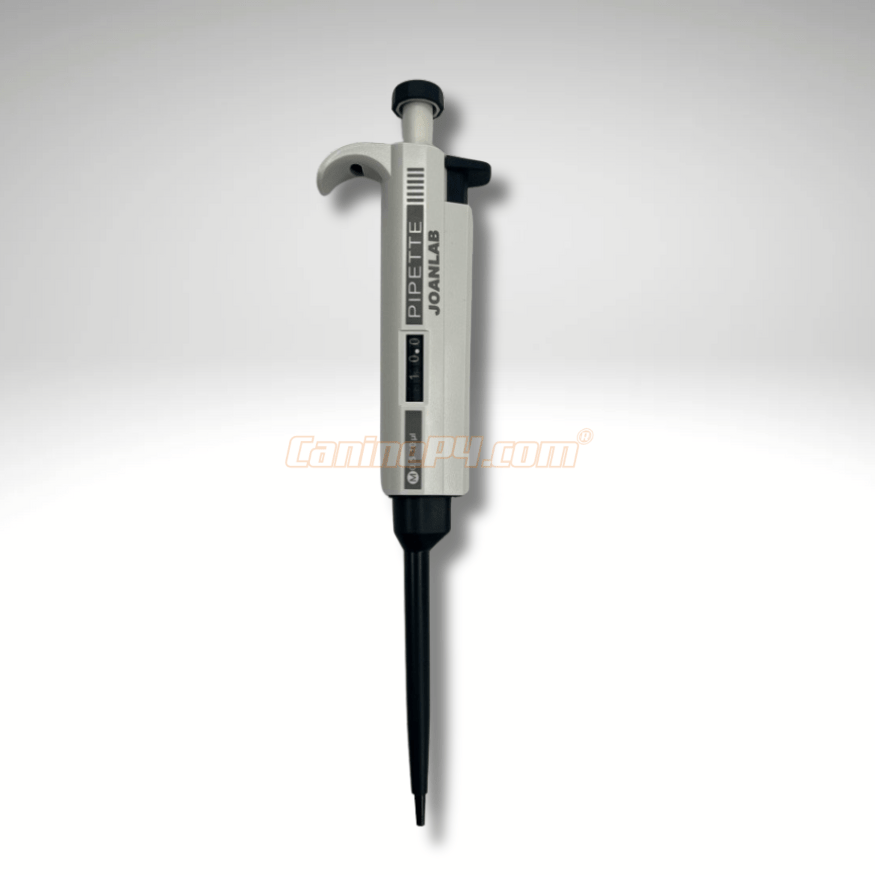
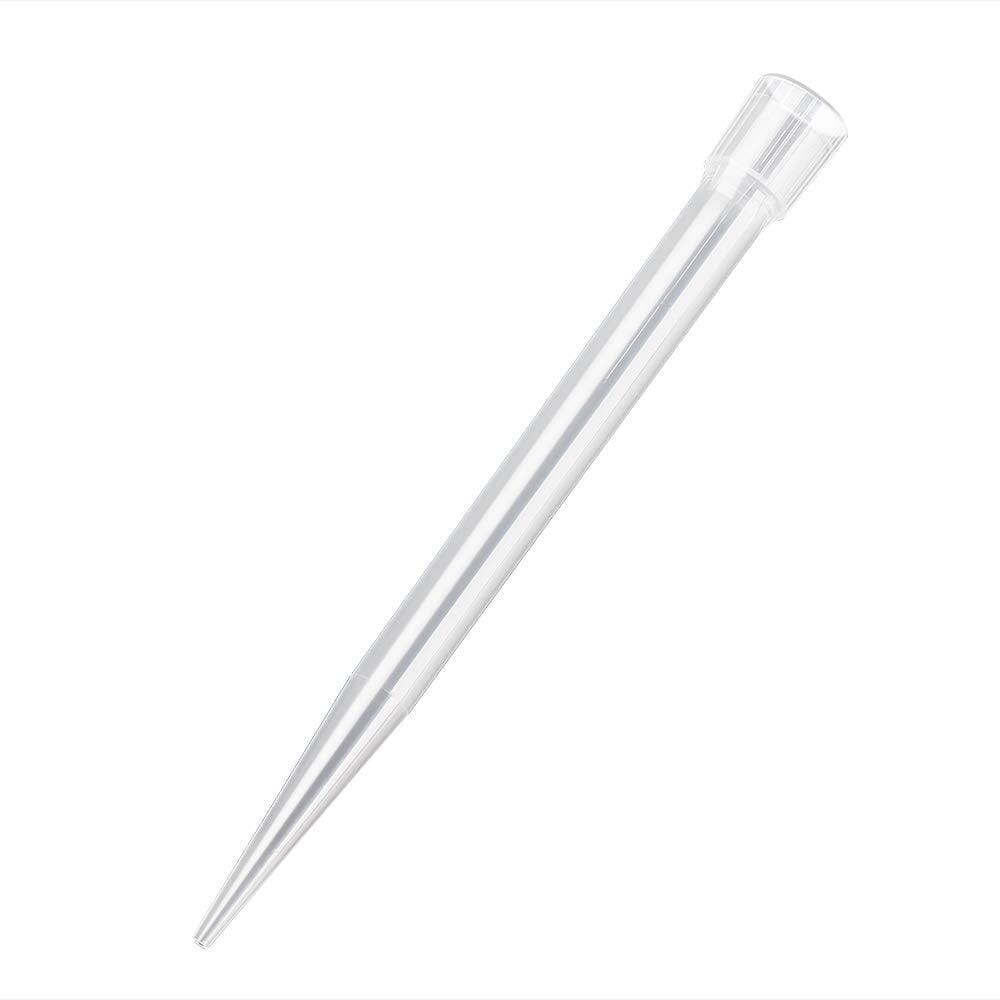
Using a calibrated micropipette with a fresh disposable tip, draw the exact specified volume of clear serum (commonly 75 to 100 μL, depending on machine protocol) holding the pipette vertically. Dispense the serum into the assay buffer diluent vial. Gently invert or swirl the vial to mix thoroughly without introducing micro-bubbles.
4
Test Strip Reading & Result Recording
Pipette the mixed solution into the sample port of the brand-compatible test strip. Insert the strip into your benchtop analyzer. Within 10 to 15 minutes, the internal optical sensor reads the fluorescent reaction intensity and displays the exact numerical progesterone concentration in nanograms per milliliter (ng/mL). Log the reading and female's serial profile.
Essential Equipment Checklist for Home Testing
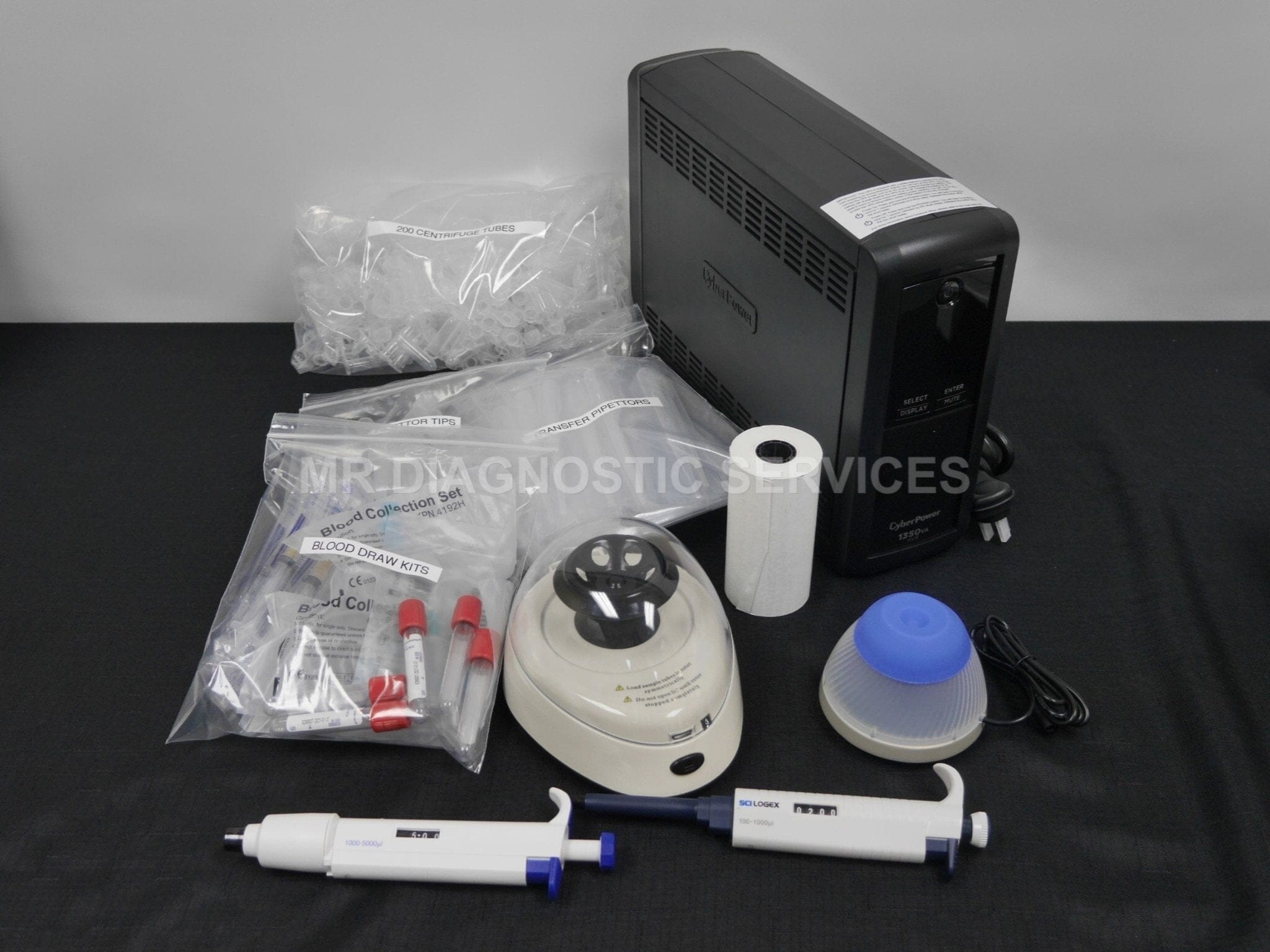
To build a professional, reliable in-house testing station, breeders need a compact set of diagnostic tools and disposable consumables:
| Equipment / Supply | Primary Purpose | Breeder Requirement |
|---|---|---|
| Quantitative Progesterone Analyzer | Optical fluorescence measurement of progesterone | Essential (Anbio 100C, Bionote V200, Mini Vidas, or Petlife Pro-DX). Note: Cube Vet: Photometry / Absorption |
| Benchtop Mini Centrifuge | Separates clear serum from whole blood cells | Essential (4,000+ RPM with tube balance) |
| Calibrated Micropipette (50–100 μL) | Accurately transfers serum and buffer reagents | Essential (with certified disposable tips) |
| Blood Collection Tubes (Additive-Free / Heparin) | Holds drawn venous sample for natural clotting | Consumable (1–3 mL collection tubes or cups) |
| 21G–25G Needles & Butterfly Sets | Recommended sizes: 21G (large), 23G (medium), 25G (toy) | Consumable (disposable sterile needles) |
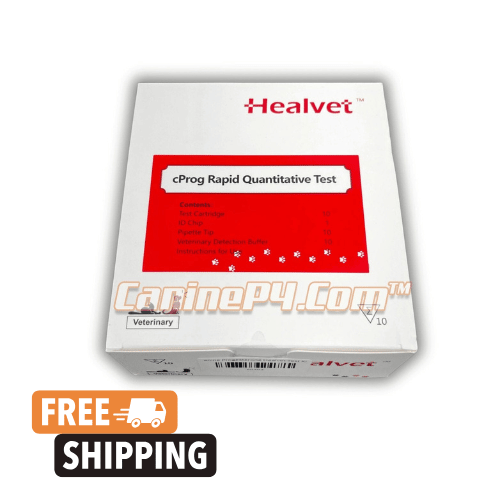
| Test Strips & Buffer Diluent | Analyte-specific reagents and calibration chip | Consumable ($9–$22 per test strip) |
| Model-Specific Timing Chart | Translates machine raw values to fertile windows | Provided with every CanineP4 system |
Selecting the Right Progesterone Machine for Your Kennel
Choosing an in-house progesterone analyzer depends on your kennel's annual litter volume, sample handling preferences, and whether you require additional multi-assay diagnostic capabilities:
Portable & Fast
Anbio 100C
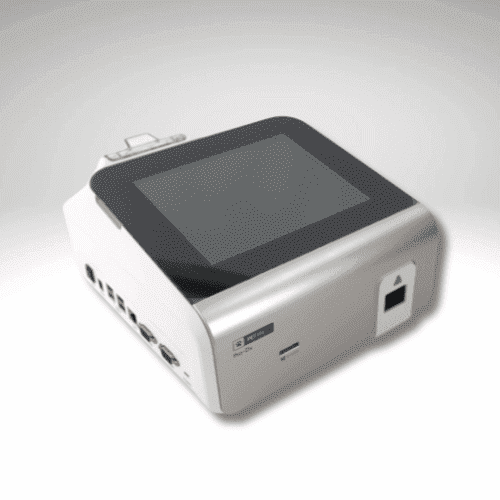
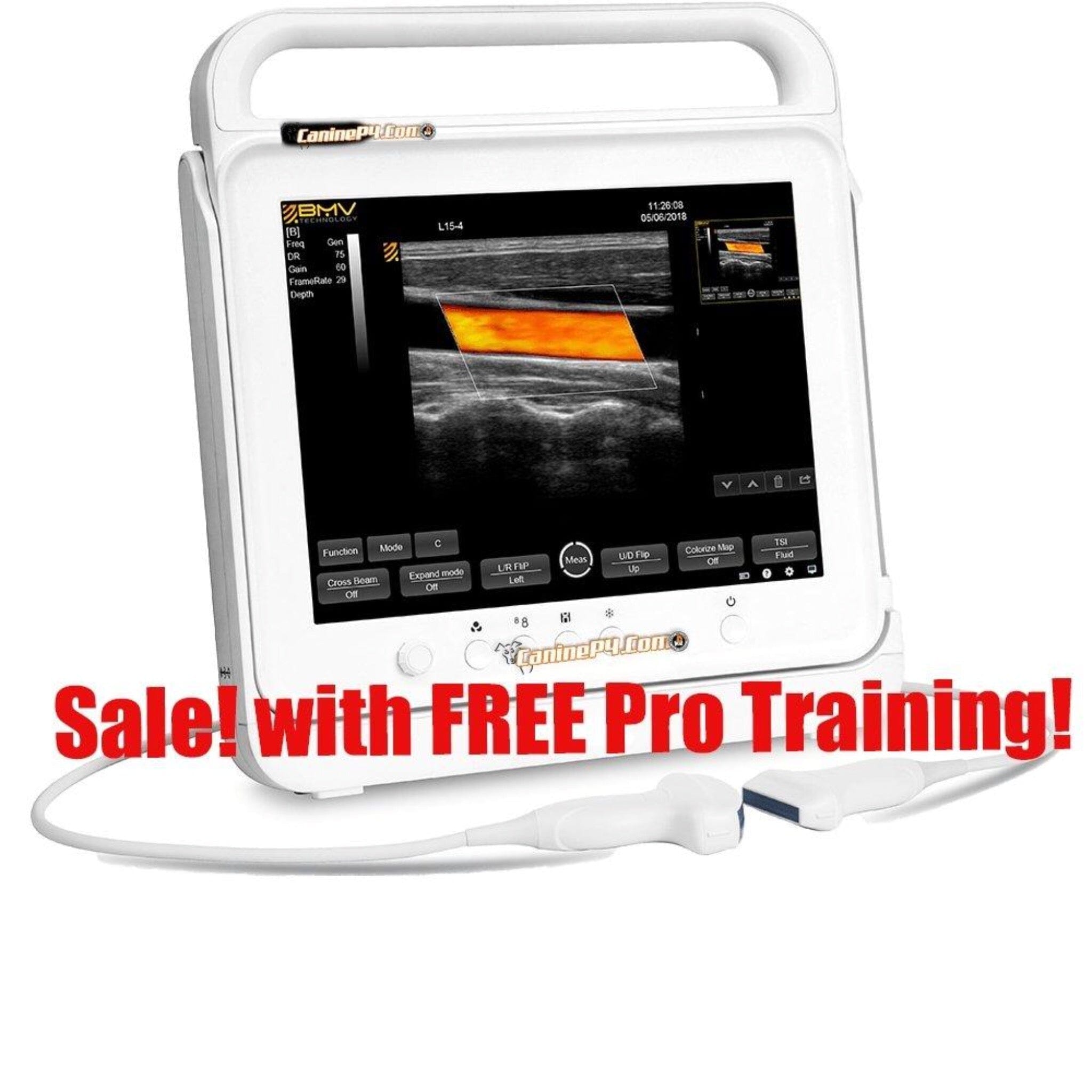
A compact, battery-capable fluorescence immunoassay system engineered for speed and portability. Features a rapid 10-minute read time, minimal sample preparation, an intuitive color touchscreen, and an automated internal timer. An ideal fit for active breeders traveling to dog shows or running tests on the road.
Veterinary Chemistry
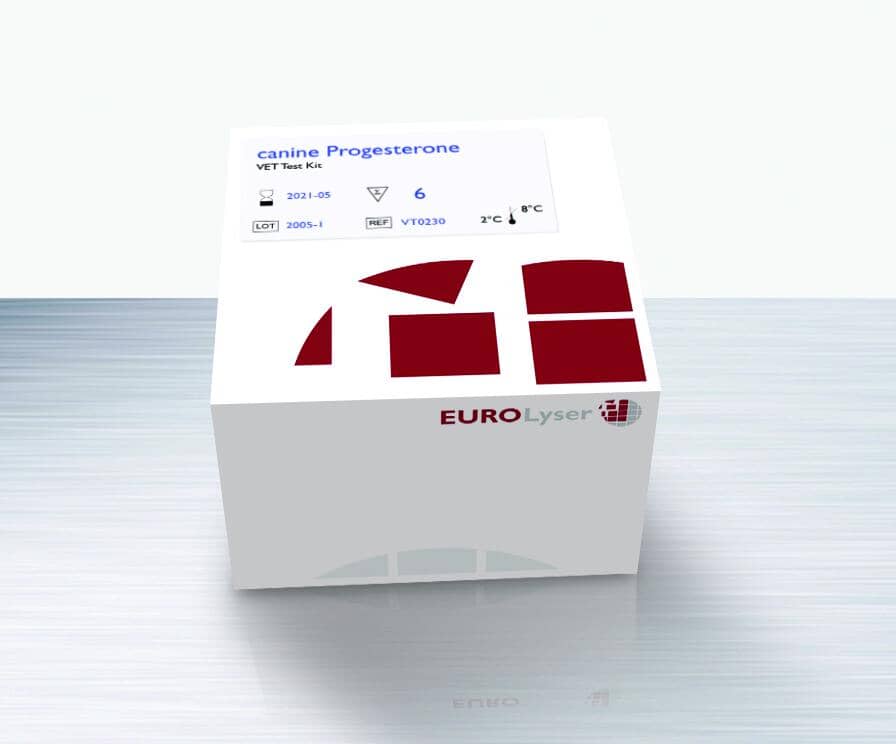
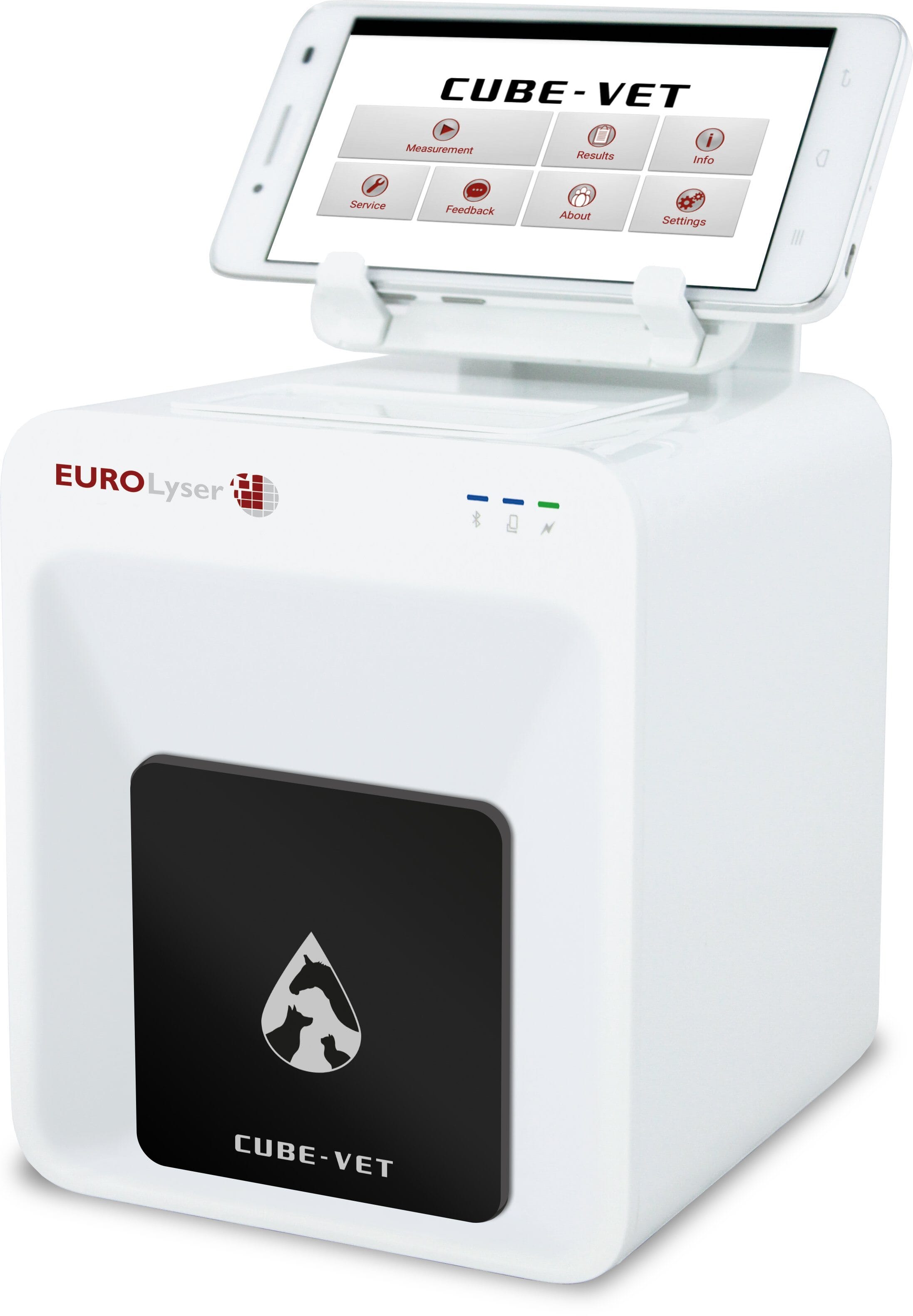
Cube Vet (Eurolyser)
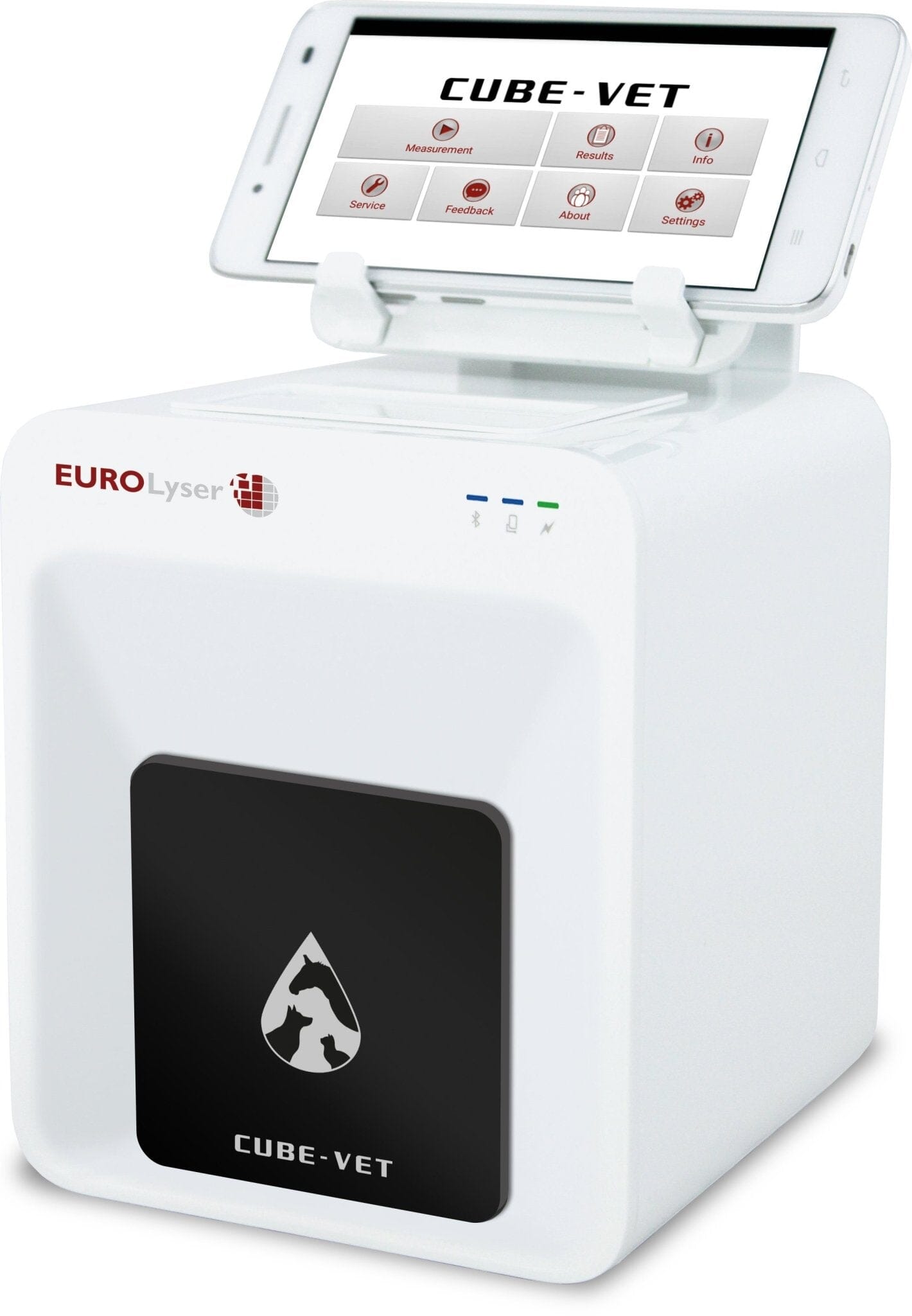
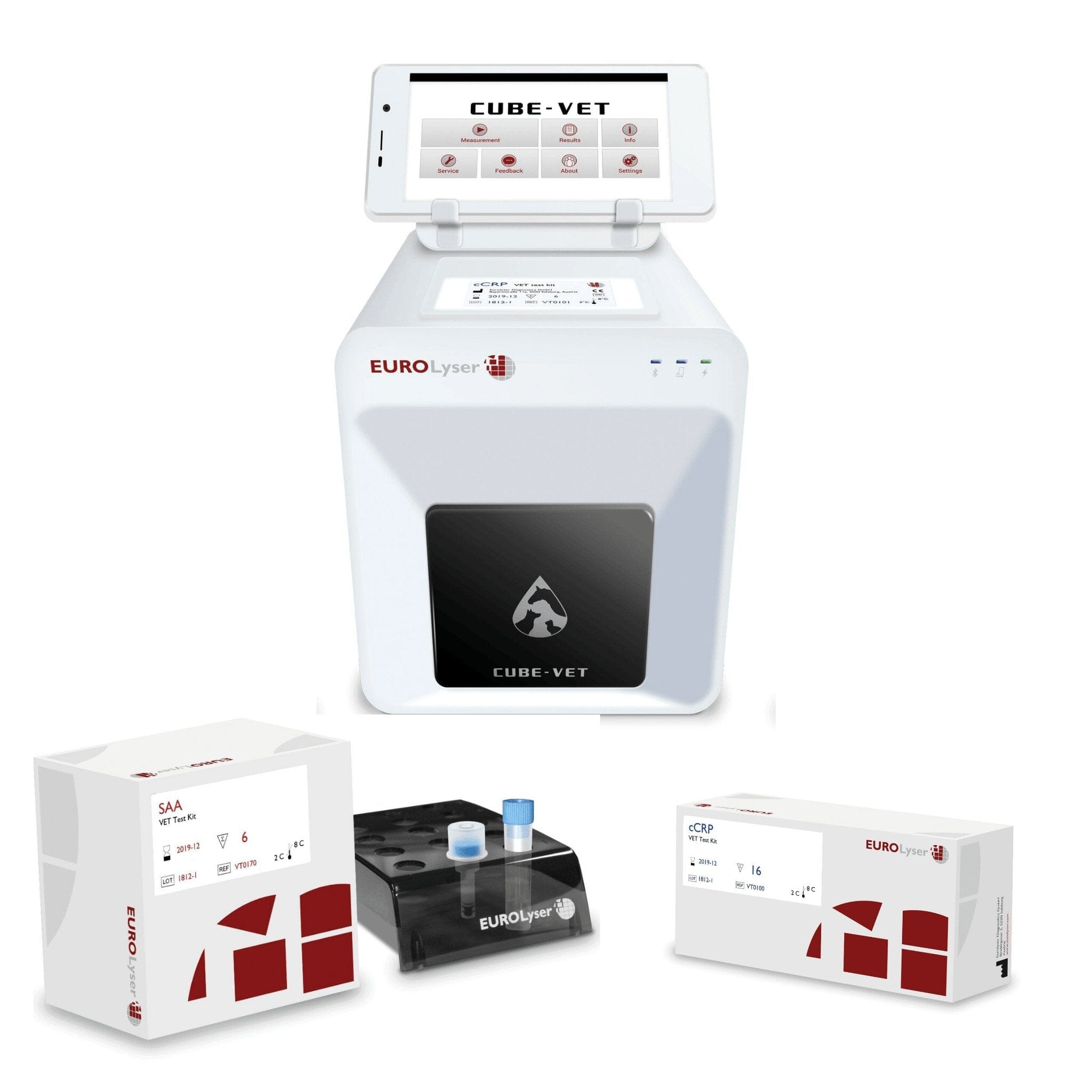
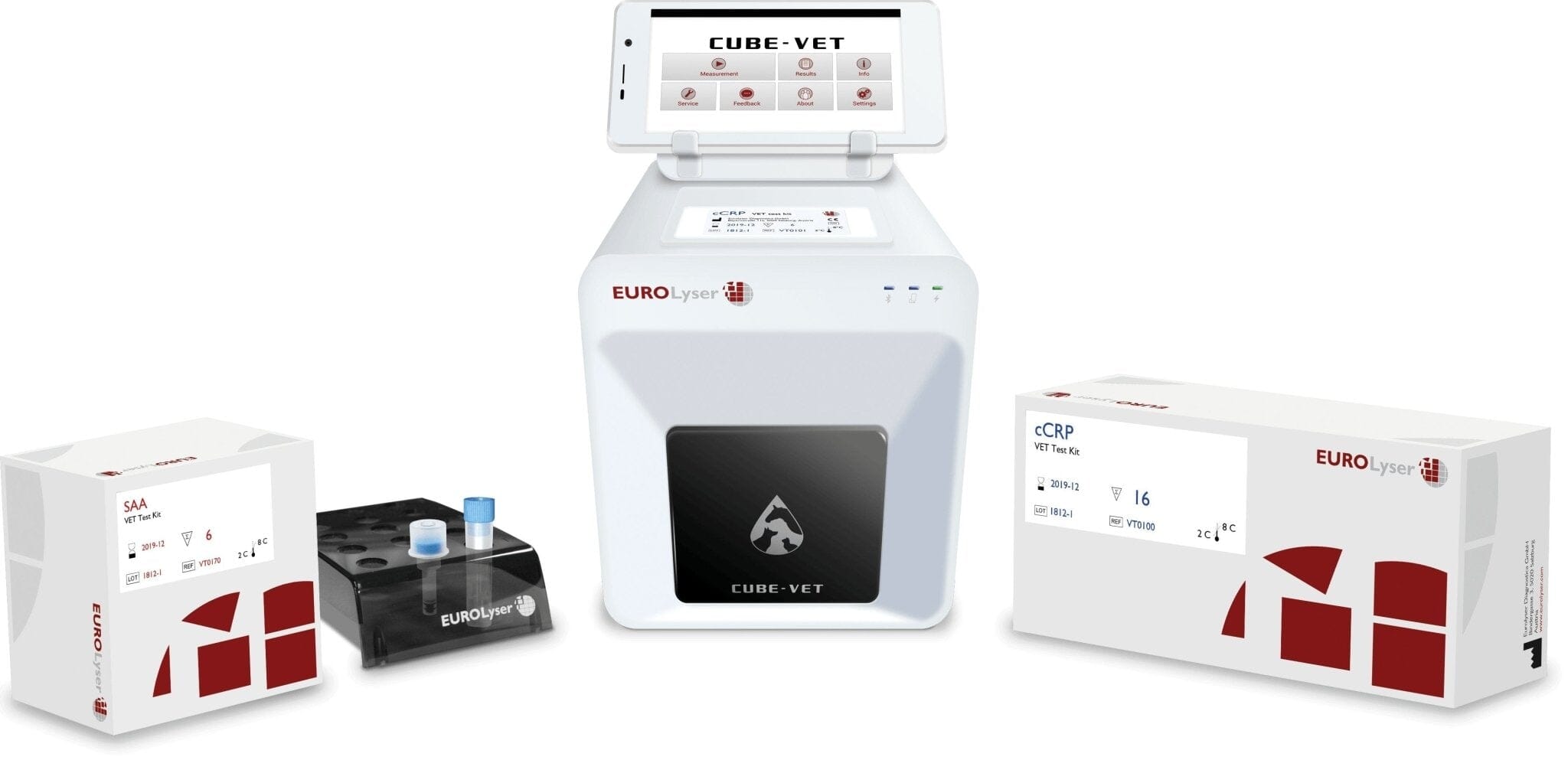
Manufactured in Austria, the Cube Vet is a professional-grade clinical chemistry and immunoassay platform. Beyond progesterone, it runs acute phase proteins (CRP, SAA), canine T4, Lipase, and multi-parameter health assays. Perfect for larger breeding programs wanting full in-house diagnostic flexibility.
High-Volume Economy
Petlife Pro-DX
A proven workhorse across the canine breeding community. Built on reliable fluorescence optics with room-temperature test strip handling and low per-test consumable costs. Best suited for high-volume kennels testing multiple females every month.
Recertified Value
Finecare Vet (Recertified)
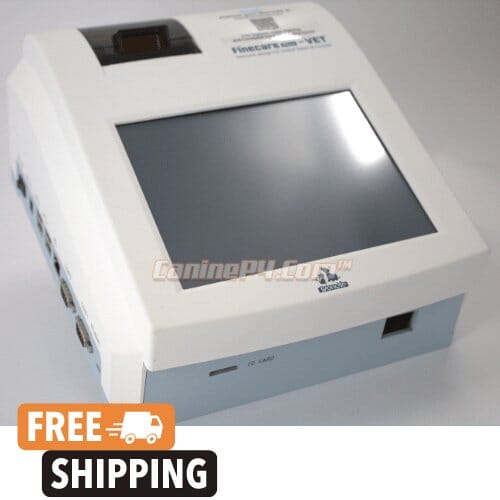
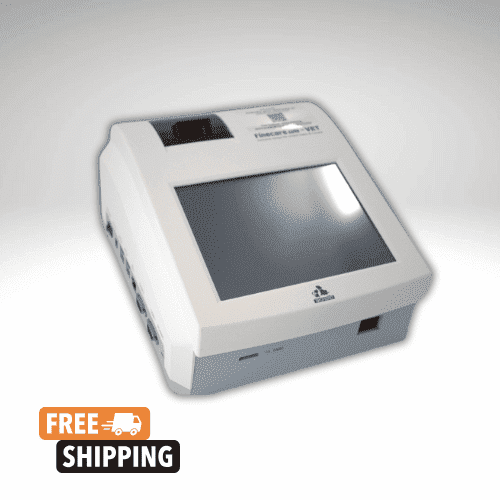
An affordable entry into professional in-house progesterone testing. Each machine is fully inspected, calibrated, and serviced by CanineP4 certified technicians, backed by a 1-year warranty, and uses standard low-cost test strips.
Reference Alignment
Bionote Vcheck V200
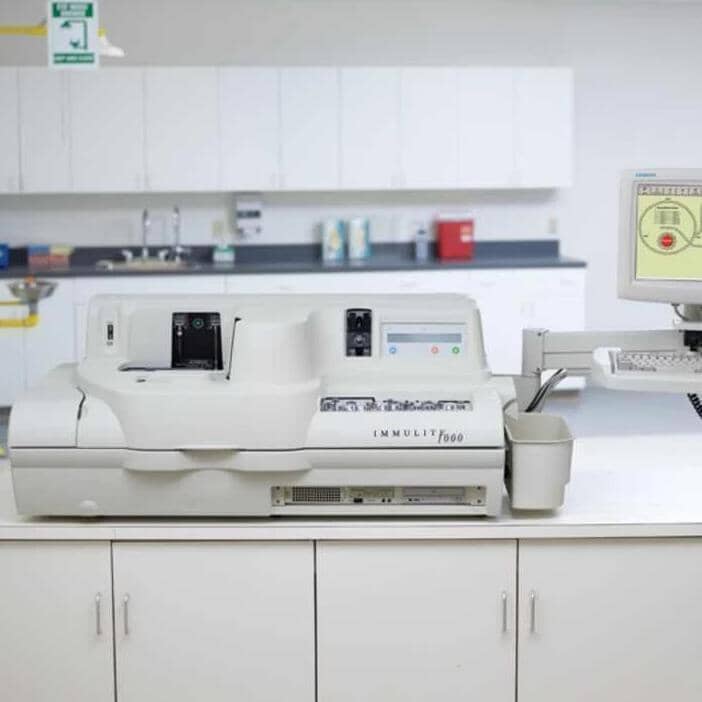
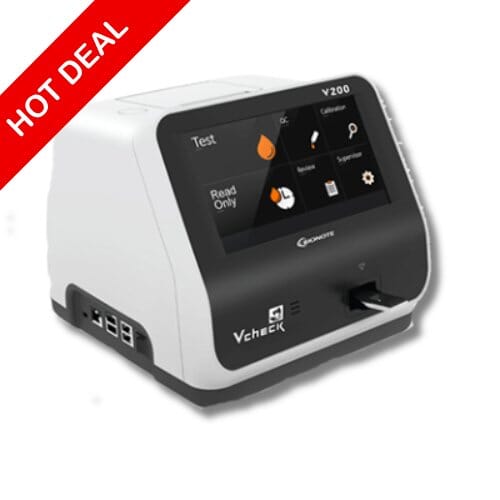
Features direct numeric correlation with the Siemens Immulite 1000 reference standard and prints test results directly onto paper receipts with interpretation ranges. Popular among veterinary hospitals and reproduction specialists.
Clinical Lab Standard
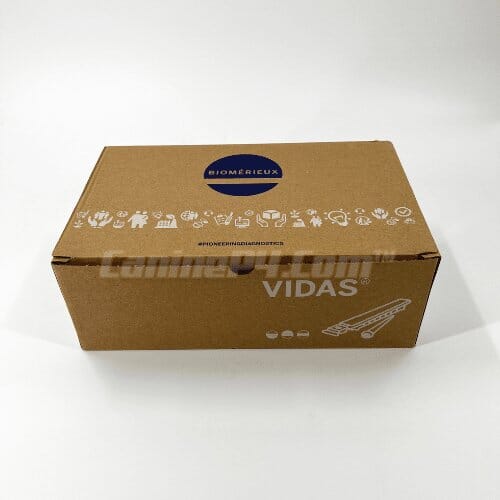
Mini Vidas / Mini Vidas Blue
An automated ELFA (Enzyme-Linked Fluorescent Assay) analyzer utilized by commercial reference laboratories and canine reproduction clinics. Features dual 6-test bays for high-volume batch testing, walkaway automation, and high analytical precision.
Watch the Systems in Action
Explore the compact Anbio 100C system or watch Mike's comprehensive hands-on training for the Petlife Pro-DX.
5:48
Portable FIA System
Anbio 100C Machine Overview
Overview of 10-minute read speed, battery-powered portability for mobile testing, room-temperature test strips, and complete startup bundle components.
View Anbio 100C Bundle →
40:15
High-Volume Workhorse
Petlife Pro-DX Full Training with Mike
CanineP4's Mike demonstrates unboxing bundle equipment, centrifuge balancing, micropipetting technique, buffer incubation, and running standard and quick tests.
View Petlife Pro-DX Bundle →The CanineP4 Support Difference
Diagnostic equipment purchased through CanineP4 includes 1-and 2-year replacement warranties, phone (844-673-7378), email, and chat support from knowledgeable technical specialists, and exclusive access to dedicated video training portals for your specific machine model so you can learn at your own pace.
Kennel Economics: In-House Testing vs. Vet Clinic Costs
Accurate breeding timing requires serial testing of 4 to 6 samples per heat cycle. When comparing recurring veterinary clinic fees against the consumable cost of an in-house benchtop analyzer, the financial return on investment is immediate:
Veterinary Clinic Testing
- $75 to $250 per blood draw
- 4 to 6 tests per cycle = $300 to $1,500 per female
- Hidden vehicle mileage, gas, and lost work hours
- 12 to 24 hour turnaround delays
- Emergency clinic surcharges on weekends
In-House CanineP4 System
- $9 to $22 per test strip
- 4 to 6 tests per cycle = $36 to $132 per female
- Zero travel or clinic appointment delays
- Actionable quantitative results in 10–15 minutes
- Complete schedule control nights and weekends
Need the Complete Numbers & Multi-Machine Timing Chart?
Once you have your blood drawn and your machine running, interpreting raw numeric values requires machine-specific calibration data. Read our clinical guide for complete ovulation physiology, 48-hour egg maturation timelines, and our verified 8-column analyzer correlation chart comparing IDEXX, Mini Vidas, Vcheck, Anbio, Cube Vet, and Petlife Pro-DX.
View the Numbers & Correlation Chart Guide →Frequently Asked Questions
Can dog breeders accurately test canine progesterone at home?
Yes. Modern canine progesterone analyzers utilize calibrated fluorescence immunoassay and automated optical sensors that eliminate subjective visual guesswork. When breeders follow standard sample handling protocols—such as spinning blood promptly, avoiding hemolyzed samples, and using calibrated pipettes—at-home testing delivers dependable serial curves throughout the female dog's heat cycle. CanineP4 provides comprehensive video training portals and phone support to help breeders master pipetting and machine operation.
How much does an in-house canine progesterone testing setup cost?
A complete in-house testing setup—including a benchtop quantitative analyzer, mini centrifuge, calibrated micropipette, sample tubes, and initial test kits—generally ranges from $2,200 to $4,500 depending on the machine model selected. Because recurring consumable test strips cost between $9 and $22 each (compared to $75 to $250 per test at veterinary clinics), kennels breeding two or more litters per year routinely recoup their initial equipment investment within 2 to 4 heat cycles.
How do you run an at-home canine progesterone test step by step?
Running an at-home progesterone test involves three basic steps: blood collection, serum separation, and analyzer reading. A small blood sample is drawn into an additive-free or lithium heparin tube and spun in a mini centrifuge for 5 to 10 minutes to separate clear serum from red blood cells (the Pro-DX also has whole blood test kits available). Using a micropipette, an exact volume of serum (typically 75 to 100 μL) is mixed with the assay buffer and transferred onto the test strip. The strip is inserted into the analyzer, which reads the optical fluorescent signal and displays the progesterone concentration in nanograms per milliliter (ng/mL) within 10 to 15 minutes.
What equipment is needed to test canine progesterone in a kennel?
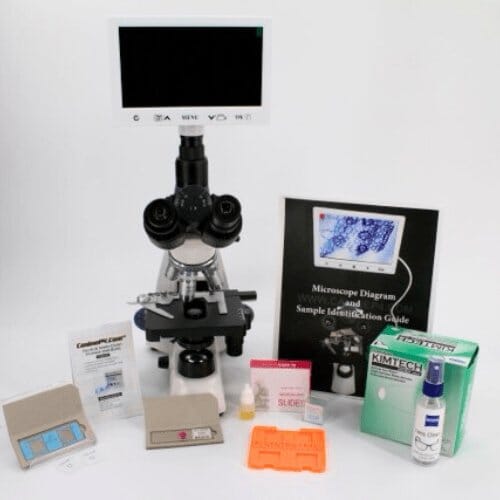
An in-house testing station requires four core components: 1) a benchtop fluorescence immunoassay analyzer (such as the Anbio 100C, Bionote V200, Mini Vidas, or Petlife Pro-DX); 2) a high-speed mini centrifuge (4,000+ RPM) with balance tubes for serum separation; 3) a calibrated micropipette (50 to 100 μL) with disposable tips; and 4) blood draw supplies, including collection tubes and 21G to 25G needles sized to the dog. The bundle versions of our systems include everything you need to start testing immediately, including the analyzer, centrifuge, micropipette, accessories, and a model-specific timing chart.
How long does it take to get progesterone results from an in-house machine?
Total processing time from blood draw to quantitative numerical result is approximately 20 to 25 minutes. Once blood is collected, the sample clots for 10 minutes and spins in the mini centrifuge for 5 minutes. The serum is then mixed with diluent and inserted into the analyzer, which performs its automated optical scan in 10 to 15 minutes. This rapid turnaround allows breeders to schedule same-day inseminations or semen shipments without waiting overnight for clinic reports. For high-volume batch testing, the Mini Vidas features a test run time of approximately 45 minutes with the capability to process up to 12 tests at a time.
How much money does a breeder save by testing progesterone at home?
Breeders typically save between $1,000 and $3,500 per litter by performing progesterone tests in-house. While veterinary clinics charge $75 to $250 per blood draw, at-home consumable test kits cost approximately $9 to $22 per test. For a breeding program testing two to three females per year with 4 to 6 serial draws per heat cycle, an in-house system often pays for itself within two to three breedings. Breeders can evaluate exact potential savings for their kennel using the CanineP4 Canine Progesterone Cost Calculator.
What training and warranty support comes with CanineP4 progesterone analyzers?
All progesterone analyzers from CanineP4 are backed by 1-and 2-year replacement warranties and direct phone (844-673-7378), email, and chat support from knowledgeable technical specialists. In addition, every customer receives 24/7 access to dedicated online video training portals designed specifically for their machine model. This self-paced video training covers sample collection, centrifuge operation, micropipetting technique, analyzer calibration, and chart interpretation.
Browsing history
- Choosing a selection results in a full page refresh.
Quick Links
Information Links

Our Mission

All of the CanineP4 Team members are dedicated to getting the best product fits for every customer we serve! Along with ongoing support via Chat, Email, or Phone! All with the best pricing available! Call us at 844-673-7378 we will be waiting to serve you!
PDF Catalog includes QR codes for scanning! Share with your friends, they will love it too!
