


















Progesterone Test for Dogs
Serial canine progesterone testing is the single most accurate, scientifically validated method for timing dog breedings, maximizing litter size, and scheduling safe surgical deliveries. Unlike vaginal cytology or physical behavioral signs, quantitative serum progesterone tracks the exact hormonal sequence leading up to and following ovulation.
However, interpreting canine progesterone numbers requires understanding reproductive biology and machine-specific calibration. Because there is no universal laboratory reference scale across diagnostic equipment, a raw numeric value like 5.0 ng/mL on one machine indicates a different stage than on another. This clinical guide covers the complete hormonal timeline, egg maturation physiology, machine correlation curves, insemination protocols by semen type, and reverse progesterone monitoring for safe C-sections.
Canine Reproductive Physiology: The Hormonal Timeline
In most mammals, progesterone remains baseline throughout estrus and only rises after ovulation occurs. The female dog is unique: ovarian follicles begin luteinizing and secreting progesterone prior to ovulation. This pre-ovulatory rise allows breeders and veterinarians to anticipate the exact day of ovulation through serial blood draws.
Phase 1
Anestrus & Early Proestrus
Baseline: < 1.0 – 2.0 ng/mL
Follicles grow under estrogen stimulation. Vaginal swelling and bloody discharge begin, but progesterone remains flat at baseline. Retest every 3 to 4 days.
Phase 2
Pre-LH Initial Rise
Initial Rise: 1.5 – 2.5 ng/mL
Luteinizing follicles begin initial hormone secretion. This slight elevation alerts the breeder that the luteinizing hormone (LH) surge is approaching. Retest every 2 days.
Phase 3
The LH Surge Trigger
Surge Level: 2.0 – 4.0 ng/mL
The pituitary releases a sharp LH surge lasting 24 to 48 hours. This surge is the physiological trigger for ovulation, which follows approximately 48 hours later. Retest daily.
Phase 4
Ovulation (Day 0)
Ovulation: 4.0 – 10.0 ng/mL*
Oocytes rupture from the ovarian follicles. The exact numeric reading depends on your analyzer model (typically 5.0 ng/mL on reference standards). Begin the maturation countdown.
Phase 5
Oocyte Maturation (48 Hours)
Maturation: 6.0 – 15.0 ng/mL
Canine ova are ovulated as immature primary oocytes. They require 48 to 72 hours in the oviduct to complete meiosis before they can be fertilized by sperm.
Phase 6
Peak Fertile Window
Fertile Window: 10.0 – 25.0+ ng/mL
Days 2 to 4 post-ovulation. Ova are mature secondary oocytes. Optimal timing for natural matings, fresh AI, chilled shipments, and surgical/TCI procedures.
Why Progesterone Numbers Differ Across Testing Machines
One of the most frequent challenges breeders face is comparing numbers between different testing machines. If you test a sample on an in-house benchtop analyzer and run the identical sample at an outside laboratory, the raw numerical values will rarely match.
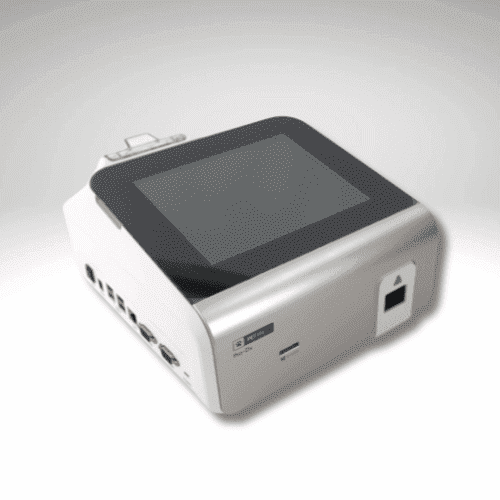
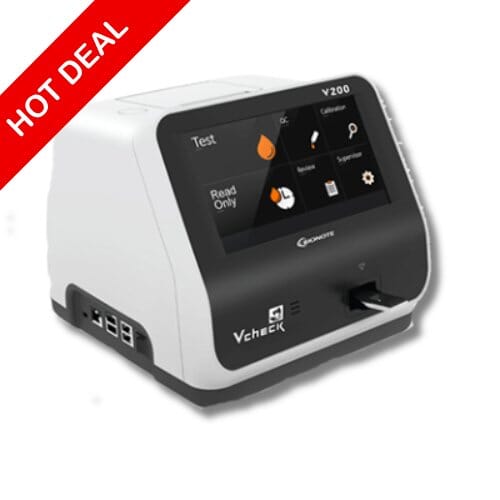
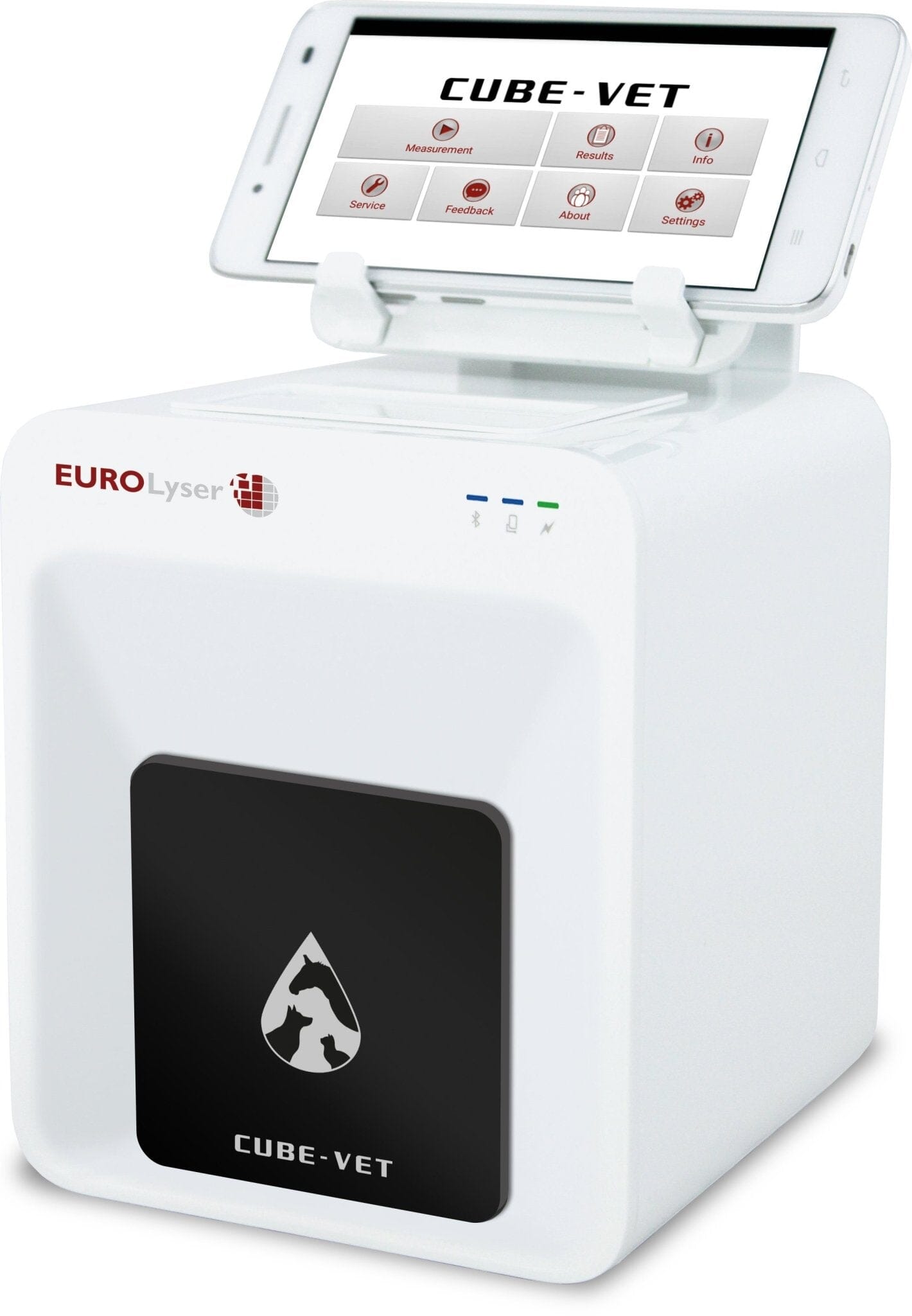
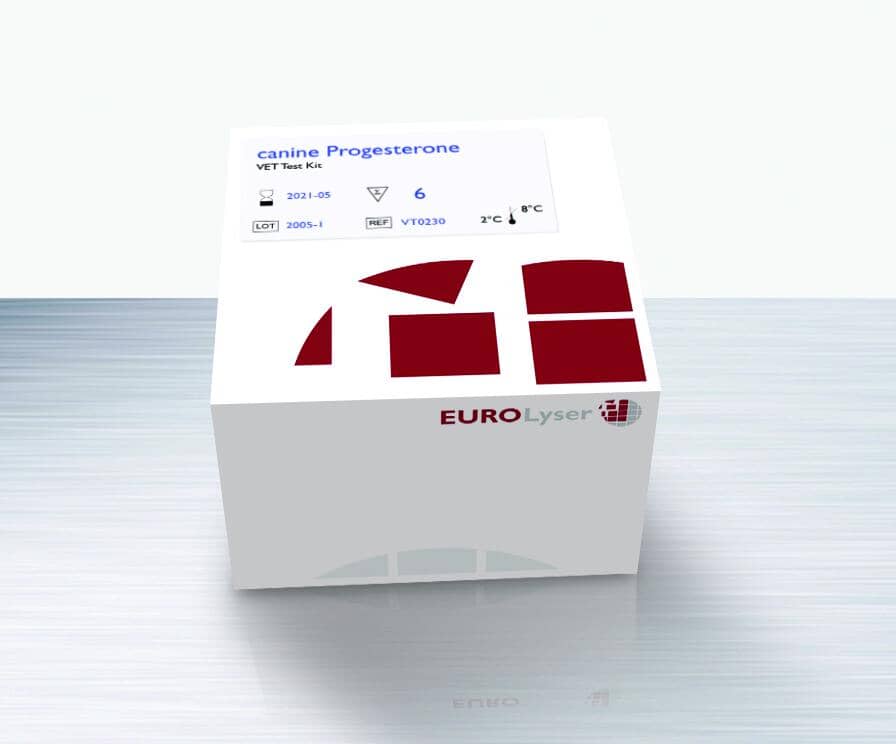
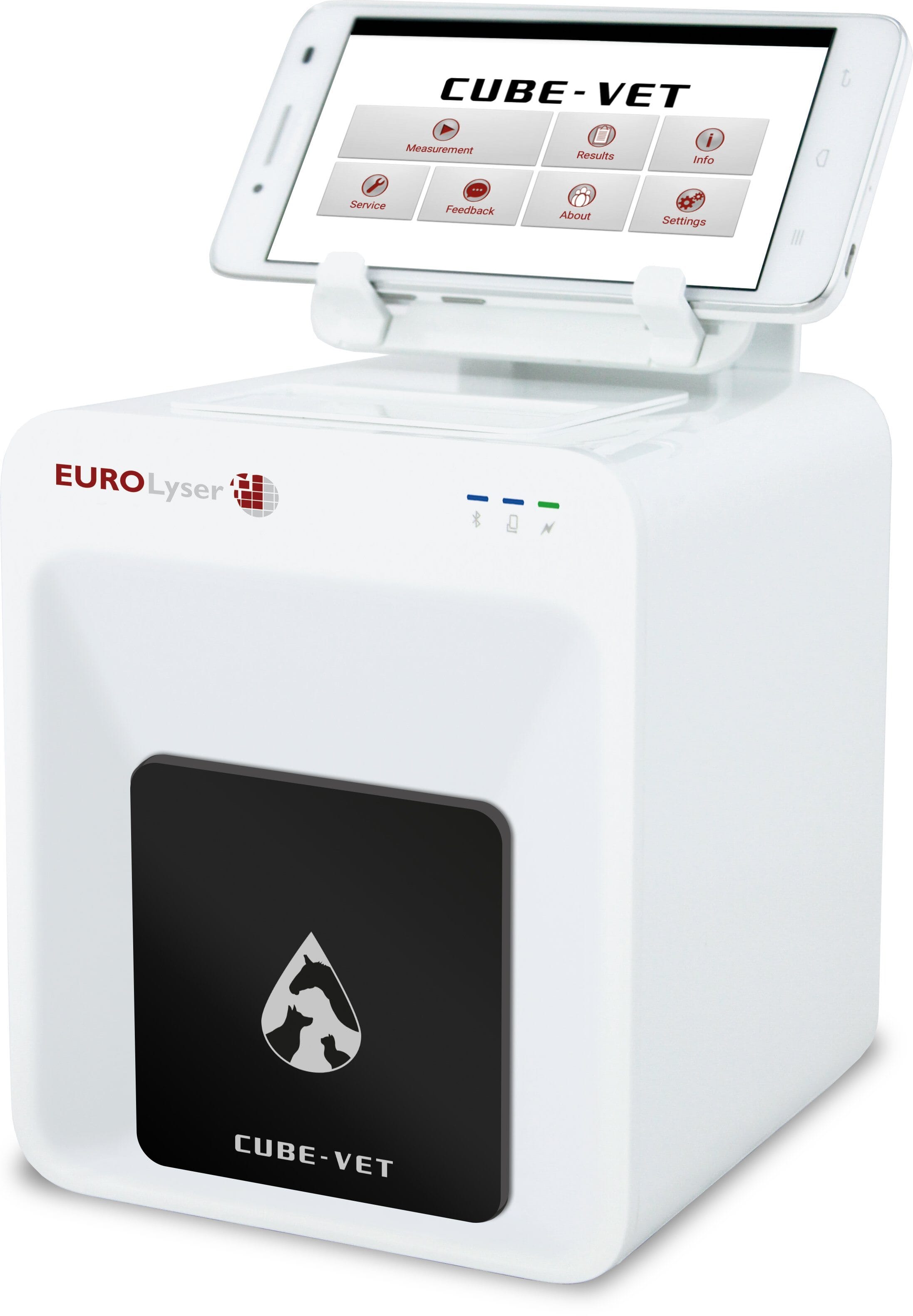
Why do numbers vary? There is no single universal calibration standard across veterinary diagnostic equipment. Different machines employ distinct testing technologies—including Chemiluminescence Immunoassay (CLIA), Liquid Chromatography-Tandem Mass Spectrometry (LC-MS), and Fluorescence Immunoassay (FIA)—with proprietary optical calibration algorithms. For example, while a 5.0 ng/mL on an IDEXX Catalyst, Bionote V200, or Cube Vet indicates ovulation, an 8.0 ng/mL on a Petlife Pro-DX indicates that exact same physiological event.
Clinical Video (4:12)
Why Don't My Dog Progesterone Testing Numbers Match My Vet's?
Watch CanineP4 explain machine and manufacturer calibration bias between in-house benchtop analyzers and veterinary reference laboratories, and why model-specific correlation charts eliminate confusion.
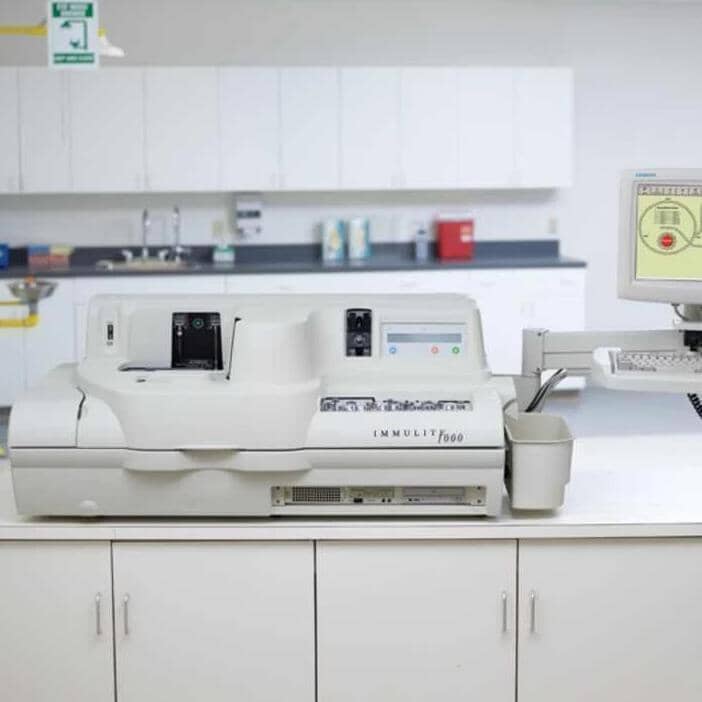
CanineP4 Clinical Verification: CanineP4 and MR Diagnostic Services perform ongoing lot-to-lot verification and comparison testing in our laboratory against the Siemens Immulite 1000 reference standard. Every machine sold by CanineP4 includes a custom correlation timing chart calibrated specifically for that analyzer so you never have to guess what your numbers mean.
Machine-Specific Correlation Timing Chart
Use this correlation table to interpret serial progesterone readings across different testing platforms. Always refer to the chart engineered specifically for your unit:
← Scroll horizontally to view all machines →
| Reproductive Stage | IDEXX Catalyst®Benchmark* | Mini Vidas(Canine Reference)* | Bionote V200(Immulite Correlated)* | Anbio 100C(Immulite Correlated) | Cube Vet(Immulite Correlated)* | Petlife Pro-DX(Immulite Correlated) | Clinical Meaning & Breeder Action |
|---|---|---|---|---|---|---|---|
| Anestrus / Baseline | < 1.0 ng/mL | < 1.5 ng/mL | < 1.0 ng/mL | < 1.5 ng/mL | < 2.0 ng/mL | < 2.5 ng/mL | Baseline proestrus. Follicles developing. Retest every 2 to 4 days. |
| Pre-LH Surge | 1.0 – 1.9 ng/mL | 1.5 – 2.5 ng/mL | 1.0 – 2.0 ng/mL | 1.5 – 2.0 ng/mL | 1.5 – 2.5 ng/mL | 2.0 – 2.5 ng/mL | Initial hormone rise detected. Retest in 2 to 3 days. |
| LH Surge | 2.0 – 3.0 ng/mL | 2.5 – 4.0 ng/mL | 2.0 – 3.0 ng/mL | 2.0 – 3.5 ng/mL | 2.5 – 4.0 ng/mL | 2.5 – 5.0 ng/mL | Luteinizing hormone surge triggers ovulation sequence. Begin daily testing; notify stud owner or arrange semen shipment. |
| Ovulation | 5.0 – 10.0 ng/mL | 4.0 – 9.0 ng/mL (approx. 5.0–6.0) | 4.0 – 8.0 ng/mL (approx. 5.0) | 4.5 – 6.5 ng/mL | 4.0 – 8.0 ng/mL (approx. 5.0–6.0) | 6.0 – 10.0 ng/mL | Oocytes released from ovaries. Ova require approximately 48 hours in the oviduct to reach mature fertile state. |
| Peak Fertile Window | 10.0 – 20.0+ ng/mL | 10.0 – 25.0+ ng/mL | 10.0 – 25.0+ ng/mL | 10.0 – 25.0+ ng/mL | 10.0 – 20.0+ ng/mL† | 15.0 – 30.0+ ng/mL | Optimal breeding window. Days 2 and 4 post-ovulation for natural or chilled semen; 60 to 72 hours for surgical AI or TCI. |
| Pre-Whelp Drop (C-Section) | < 2.0 – 3.0 ng/mL | < 2.0 – 3.0 ng/mL | < 2.0 – 3.0 ng/mL | < 2.5 – 3.0 ng/mL | < 2.0 – 3.0 ng/mL | < 3.0 – 4.0 ng/mL | Sharp progesterone drop signals impending natural labor or safe planned C-section timing within 12 to 24 hours. |
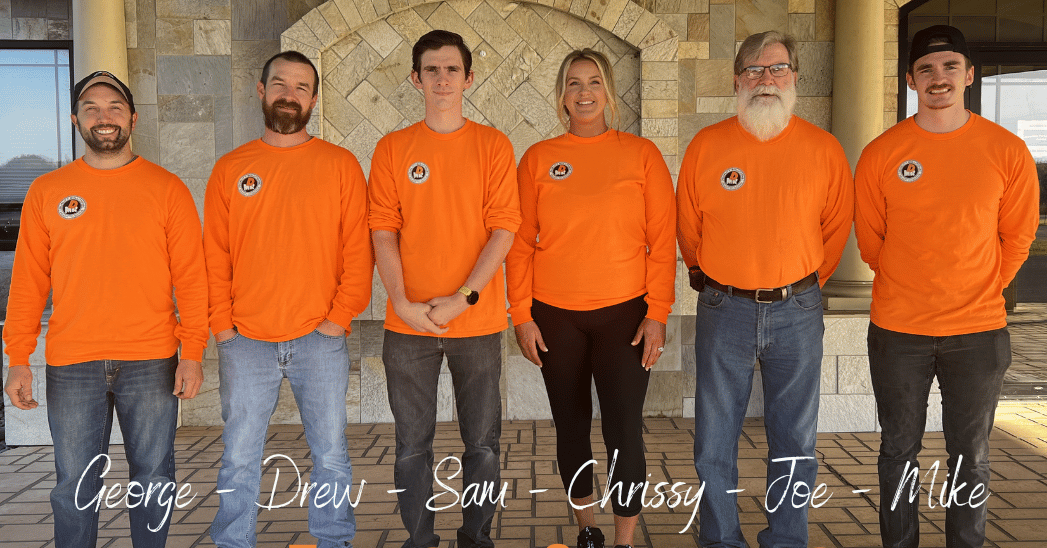
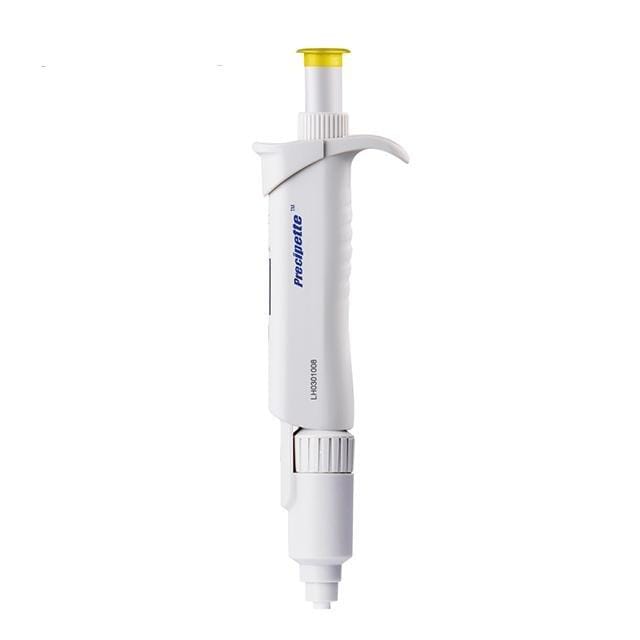
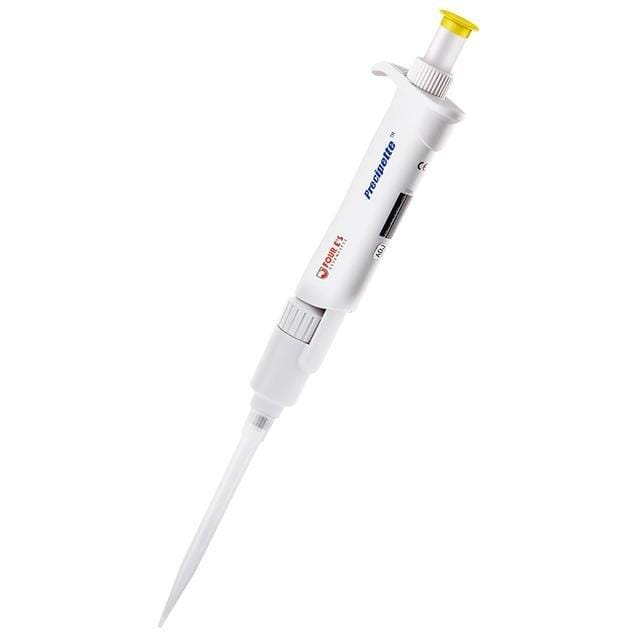
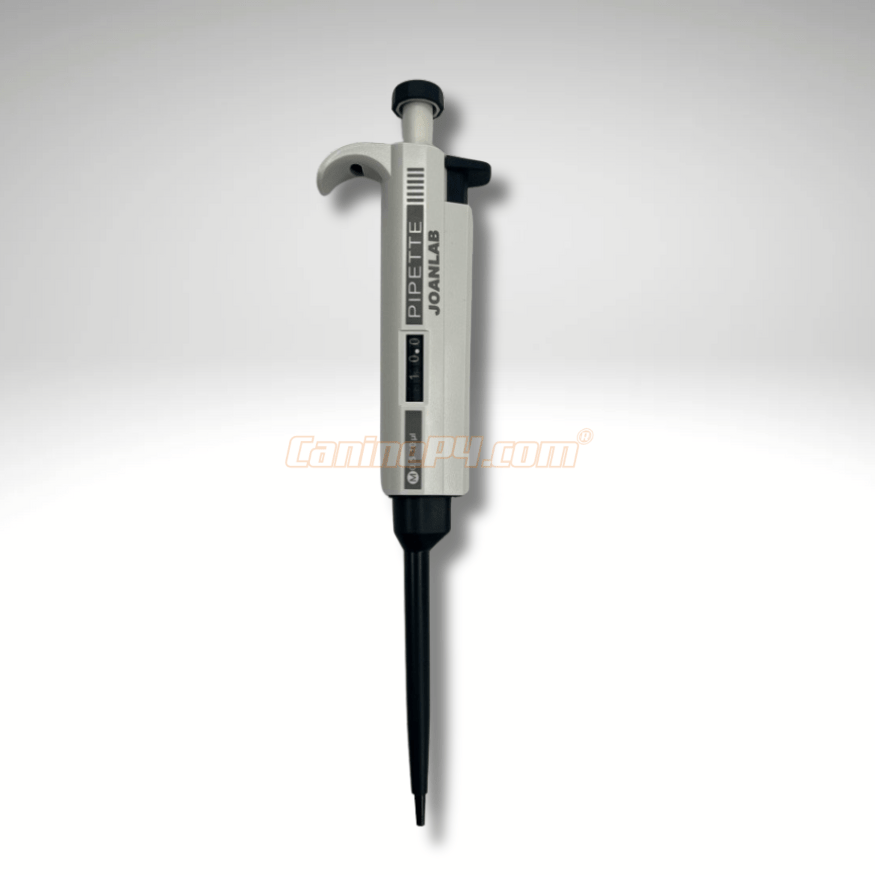
* Benchmark Sources & Notes: IDEXX Catalyst® reference ranges sourced from published IDEXX clinical documentation (IDEXX Catalyst® Progesterone Quick Reference Guide, idexx.com). Mini Vidas canine ranges calibrated from CanineP4 canine clinical tracking data. Bionote V200 ranges sourced from official Vcheck package inserts. Cube Vet protocol sourced from Eurolyser clinical documentation (†requires 40 μL pipette setting up to 7.0 ng/mL, switching to 5 μL setting for 6.0–20.0 ng/mL). Immulite correlation curves established through CanineP4 laboratory reference testing. All trademarks belong to their respective owners and are cited strictly for educational comparison. CanineP4 is an independent distributor and is not affiliated with IDEXX Laboratories, Inc.
Breeding Protocols by Insemination Method
Once ovulation is confirmed by serial testing, breeding timing depends on the type of semen being used. Different preservation methods dramatically alter how long sperm remain viable within the female reproductive tract:
1. Natural Mating
Sperm Viability: 3 to 5 days
Breeding Schedule: Breed on Day 2 and Day 4 post-ovulation. Because fresh semen has a long reproductive lifespan, sperm can survive in the female tract while primary oocytes finish their 48-hour maturation period.
2. Fresh Artificial Insemination (AI)
Sperm Viability: 2 to 4 days
Breeding Schedule: Inseminate on Day 2 and Day 4 post-ovulation (or Days 2, 3, and 4). Side-by-side fresh collections provide high motility and longevity comparable to natural mating.
3. Chilled Shipped Semen
Sperm Viability: 24 to 48 hours
Breeding Schedule: Order semen shipment immediately upon reaching the LH surge / initial ovulation confirmation (~5.0 ng/mL). Inseminate on Day 2 and Day 3 (or Day 4) post-ovulation via vaginal AI, transcervical insemination (TCI), or surgical implant.
4. Frozen Semen (TCI / Surgical)
Sperm Viability: 8 to 12 hours max
Breeding Schedule: Inseminate strictly 60 to 72 hours post-ovulation (Day 3 post-ovulation) when progesterone reaches 15.0 to 25.0+ ng/mL. Thawed frozen semen has compromised membrane integrity and a very short survival window; all oocytes must be 100% mature when sperm is placed directly into the uterine horns.
Reverse Progesterone Testing for Safe C-Sections
During normal canine pregnancy, progesterone is produced by the corpus luteum and must remain elevated (> 4.0 to 5.0 ng/mL) to maintain gestation. Within 24 hours of natural whelping, the corpus luteum undergoes rapid lysis, causing serum progesterone to drop precipitously below 2.0 to 3.0 ng/mL.
This hormonal cliff is known as reverse progesterone testing. For breeds prone to dystocia (such as French Bulldogs, English Bulldogs, and American Bullies), scheduling a planned C-section too early results in premature puppies with undeveloped lungs and surfactant deficiency. Testing progesterone daily as the due date approaches confirms when the drop has occurred, ensuring safe surgical delivery of fully mature, vigorous puppies.
Clinical C-Section Safety Protocol
- > 5.0 ng/mL: Pregnancy is firmly maintained. Puppies are not yet physiologically ready for surgical extraction.
- 3.0 – 4.0 ng/mL: Luteolysis is beginning. Recheck in 12 hours.
- < 2.0 – 3.0 ng/mL: The progesterone block has lifted. Natural labor will begin within 12 to 24 hours. Surgery is safe and indicated.
Looking to Run Your Own Progesterone Tests In-House?
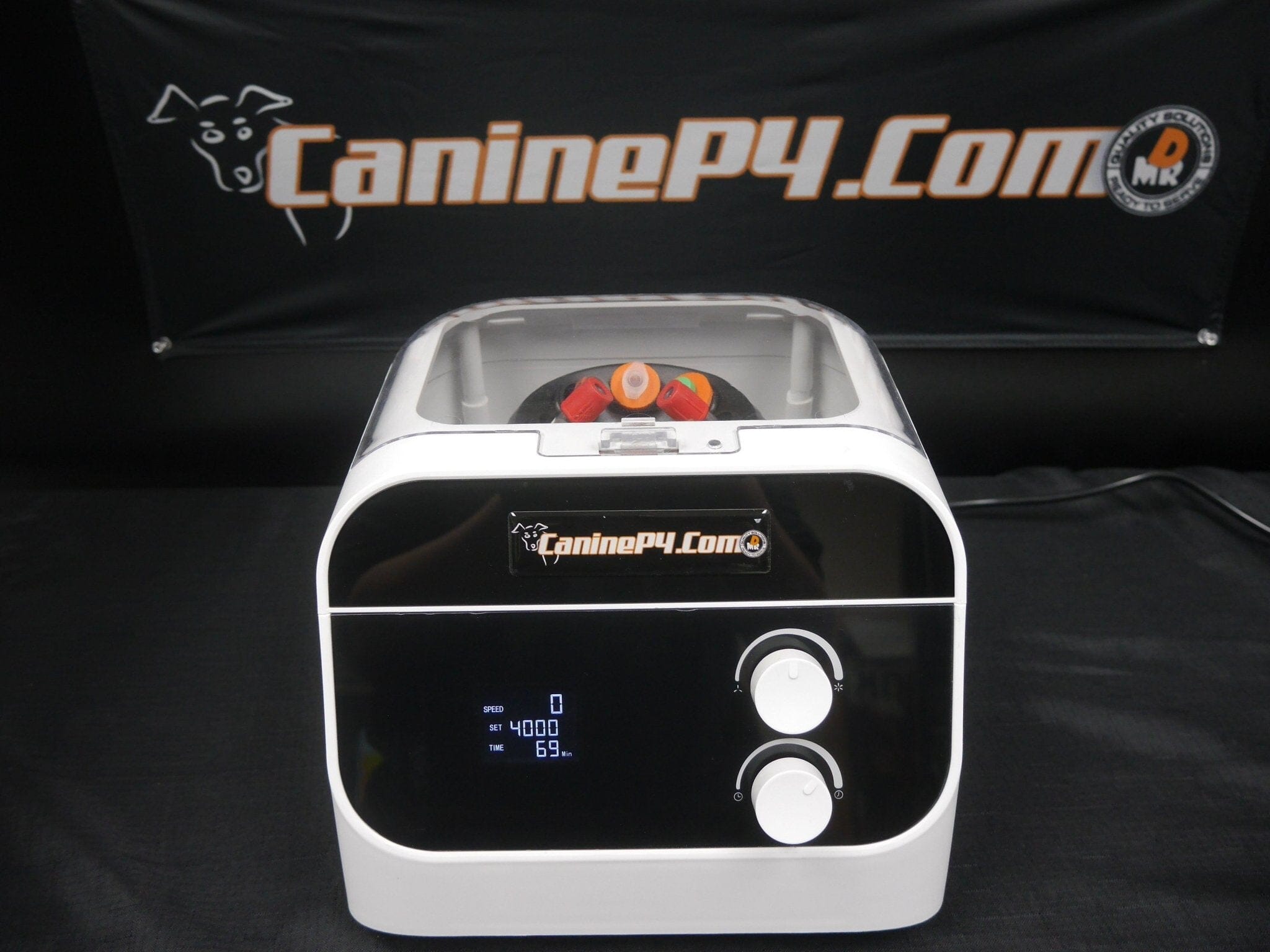
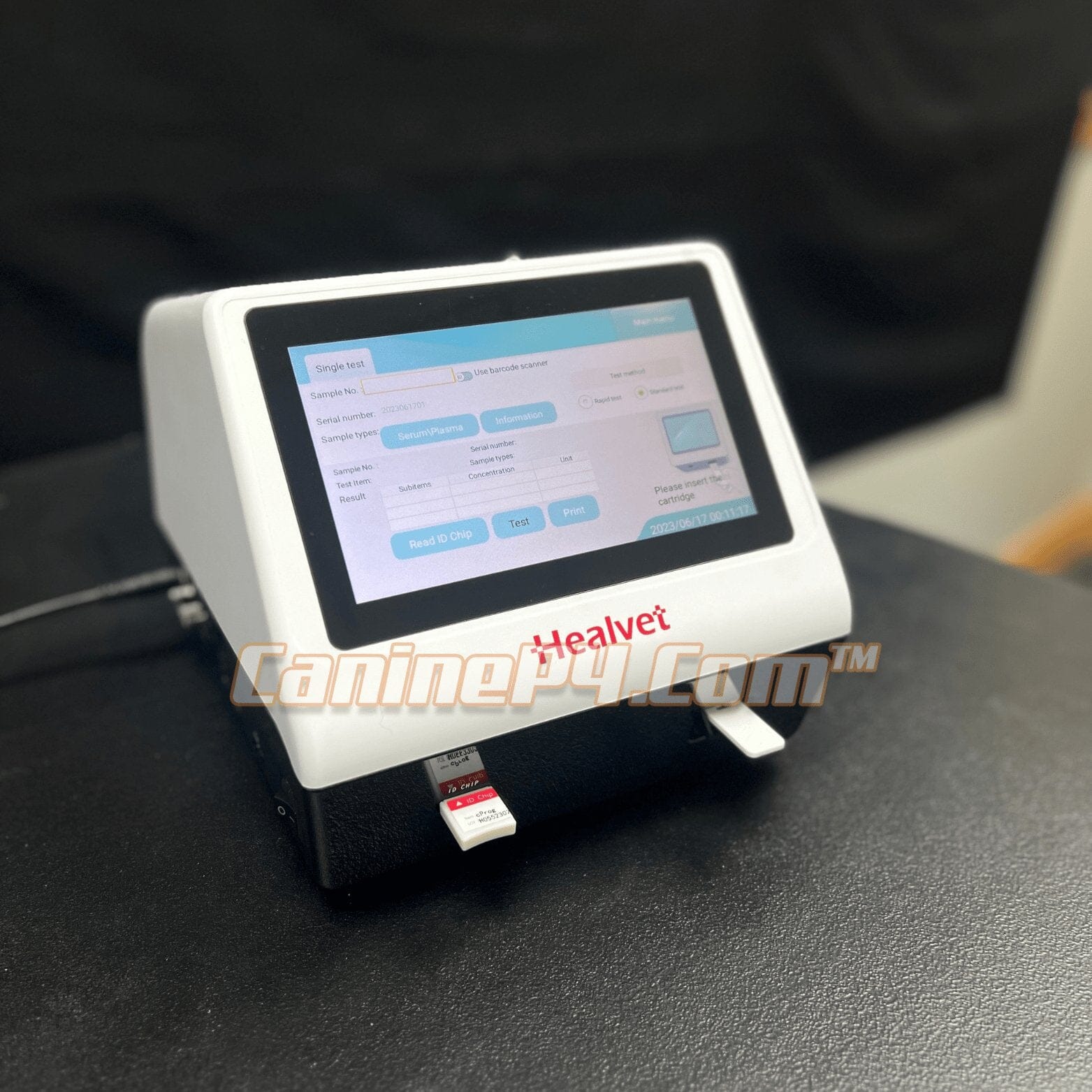
Skip the high veterinary clinic blood draw bills ($75 to $250 per test) and 24-hour lab delays. Modern benchtop analyzers deliver laboratory-accurate results right in your kennel in 10 to 15 minutes for just $9 to $22 per test.
Read the At-Home Testing & Cost Guide →The CanineP4 Support Difference
Diagnostic equipment purchased through CanineP4 includes 1-and 2-year replacement warranties, phone (844-673-7378), email, and chat support from knowledgeable technical specialists, and exclusive access to dedicated video training portals for your specific machine model so you can learn at your own pace.
Frequently Asked Questions
What progesterone level indicates ovulation in dogs?
Progesterone levels indicating ovulation vary from one analyzer to another depending on calibration standards and optical detection methods. While general reference guidelines associate initial ovulation around 5.0 ng/mL on laboratory reference systems (such as the IDEXX Catalyst or Immulite 1000), exact numerical cutoffs differ between platforms: 4.0 to 9.0 ng/mL on Mini Vidas, 4.0 to 8.0 ng/mL on Bionote V200 and Cube Vet, 4.5 to 6.5 ng/mL on Anbio 100C, and 6.0 to 10.0 ng/mL on Petlife Pro-DX. Following the CanineP4 correlation timing chart is the best clinical practice for testing, and every progesterone analyzer sold by CanineP4 comes with a timing chart calibrated specifically for that machine.
Why do canine progesterone numbers vary between different testing machines?
Numerical variance occurs because there is no universal laboratory reference standard across veterinary diagnostic equipment. Different machines use different measurement technologies (chemiluminescence, liquid chromatography-mass spectrometry, or fluorescence immunoassay) and proprietary calibration curves. A reading of 5.0 ng/mL on an IDEXX Catalyst, Bionote V200, or Cube Vet indicates ovulation, while an 8.0 ng/mL on a Petlife Pro-DX represents the exact same physiological event. Breeders should always interpret results using the specific correlation timing chart designed for their machine rather than comparing numbers directly across different units.
How long after ovulation should you breed a female dog?
Breeders should breed a female dog between 48 and 72 hours (2 to 4 days) post-ovulation. Unlike other species, canine eggs are ovulated as immature primary oocytes that require approximately 48 hours in the oviduct to undergo meiosis and become mature secondary oocytes capable of fertilization. For natural mating or fresh artificial insemination, breeding on Day 2 and Day 4 post-ovulation achieves peak conception rates. For frozen semen, insemination must occur strictly between 60 and 72 hours post-ovulation when all ova are fully mature.
Why do canine eggs require 48 hours to mature after ovulation?
Canine reproductive physiology is unique: while most mammalian eggs are ovulated as mature secondary oocytes ready for immediate fertilization, the female dog ovulates primary oocytes arrested at prophase I. Once released from the follicle, the canine oocytes must travel into the oviduct and undergo an additional 48 to 60 hours of maturation before sperm can penetrate the zona pellucida. Breeding too early—immediately upon ovulation—often results in smaller litters or missed breedings because sperm viability may expire before the ova are fertile.
What is the optimal breeding timing for chilled vs. frozen dog semen?
Timing depends on the post-thaw lifespan of the sperm. Chilled semen survives 24 to 48 hours in the female tract and is typically inseminated on Day 2 and Day 4 post-ovulation. Frozen semen, however, has an extremely short post-thaw survival window of only 8 to 12 hours. Consequently, frozen semen should be deposited via transcervical insemination (TCI) or surgical insemination precisely 60 to 72 hours post-ovulation, when progesterone has reached 15.0 to 25.0+ ng/mL and 100% of the oocytes are mature.
What is reverse progesterone testing, and how does it time a C-section?
Reverse progesterone testing tracks the natural hormonal drop that occurs immediately prior to whelping. During pregnancy, progesterone remains high (> 4.0 to 5.0 ng/mL) to sustain gestation. Within 12 to 24 hours of labor, the corpus luteum lyses and progesterone drops sharply below 2.0 to 3.0 ng/mL. Monitoring this pre-whelp drop confirms that fetal lung surfactant is fully developed and puppies are mature, preventing premature surgical delivery while avoiding dangerous uterine inertia in dystocia-prone breeds.
How often should you test progesterone during a female dog's heat cycle?
Testing typically begins on Day 5 or 6 after the onset of vulvar swelling and bloody discharge. Initial baseline draws are performed every 3 to 4 days until progesterone rises above baseline into the initial pre-LH rise (typically 1.5 to 2.0 ng/mL on Immulite-correlated analyzers like the Anbio 100C and Bionote V200, or 2.0 to 2.5 ng/mL on Petlife Pro-DX). Once this initial rise is detected, serial testing is conducted every 24 to 48 hours to pinpoint the exact day of the LH surge and ovulation based on your machine-specific timing chart. Most female dogs require between 4 and 6 serial blood tests to map their complete fertile curve.
Browsing history
- Choosing a selection results in a full page refresh.
Quick Links
Information Links

Our Mission

All of the CanineP4 Team members are dedicated to getting the best product fits for every customer we serve! Along with ongoing support via Chat, Email, or Phone! All with the best pricing available! Call us at 844-673-7378 we will be waiting to serve you!
PDF Catalog includes QR codes for scanning! Share with your friends, they will love it too!
