














Sample Preparation
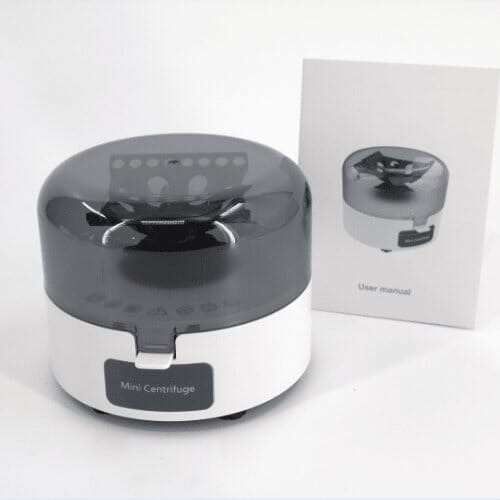
Micro Centrifuge Blood Spinner
Quick View
33% off
Micro Centrifuge Blood Spinner
- Sale price
- $59.99
- Regular price
- $90.00
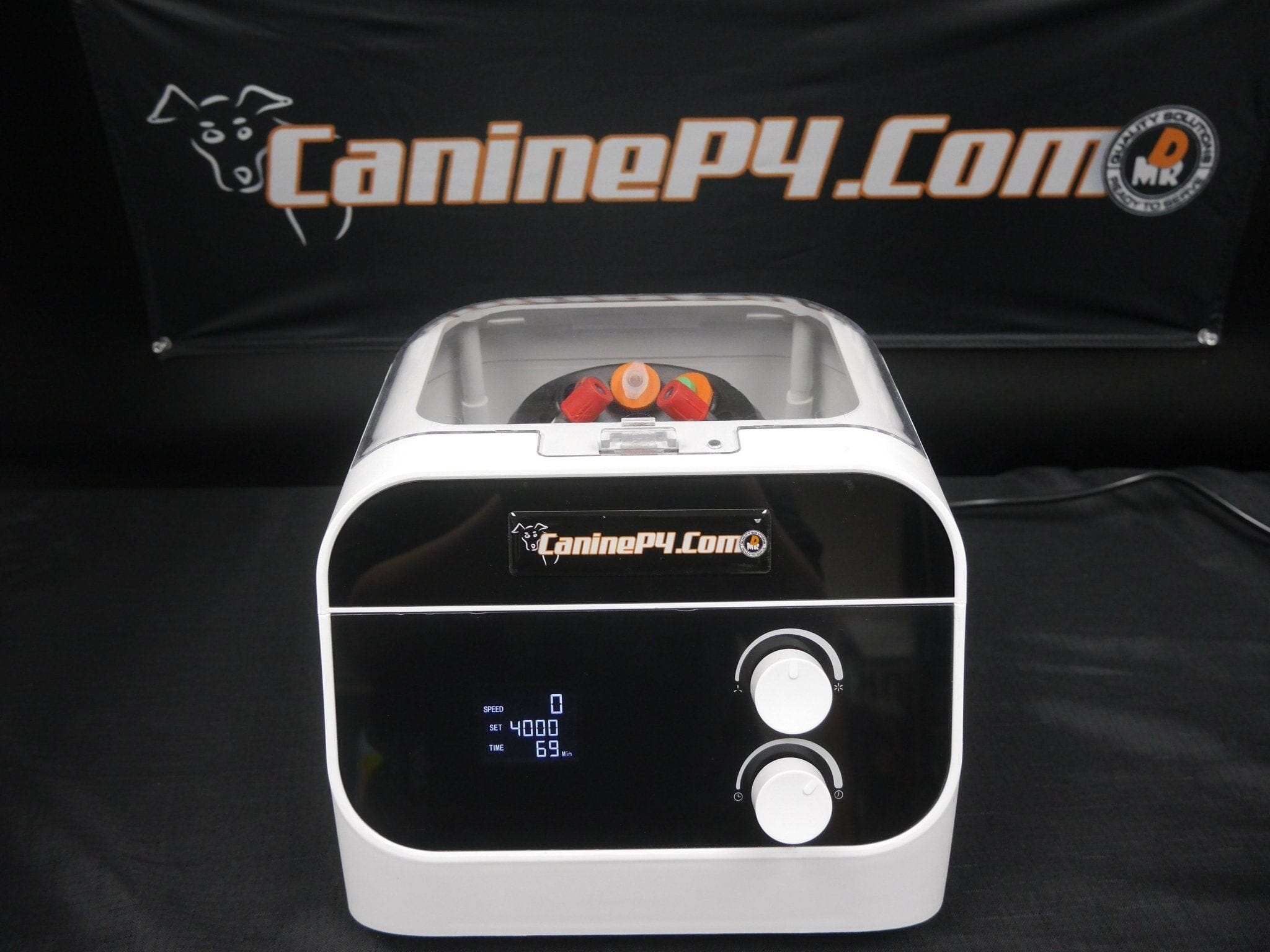
Clinical Centrifuge Adjustable Speed Multiple Tube Types
Quick View
20% off
Clinical Centrifuge Adjustable Speed Multiple Tube Types
- Sale price
- $399.99
- Regular price
- $500.00
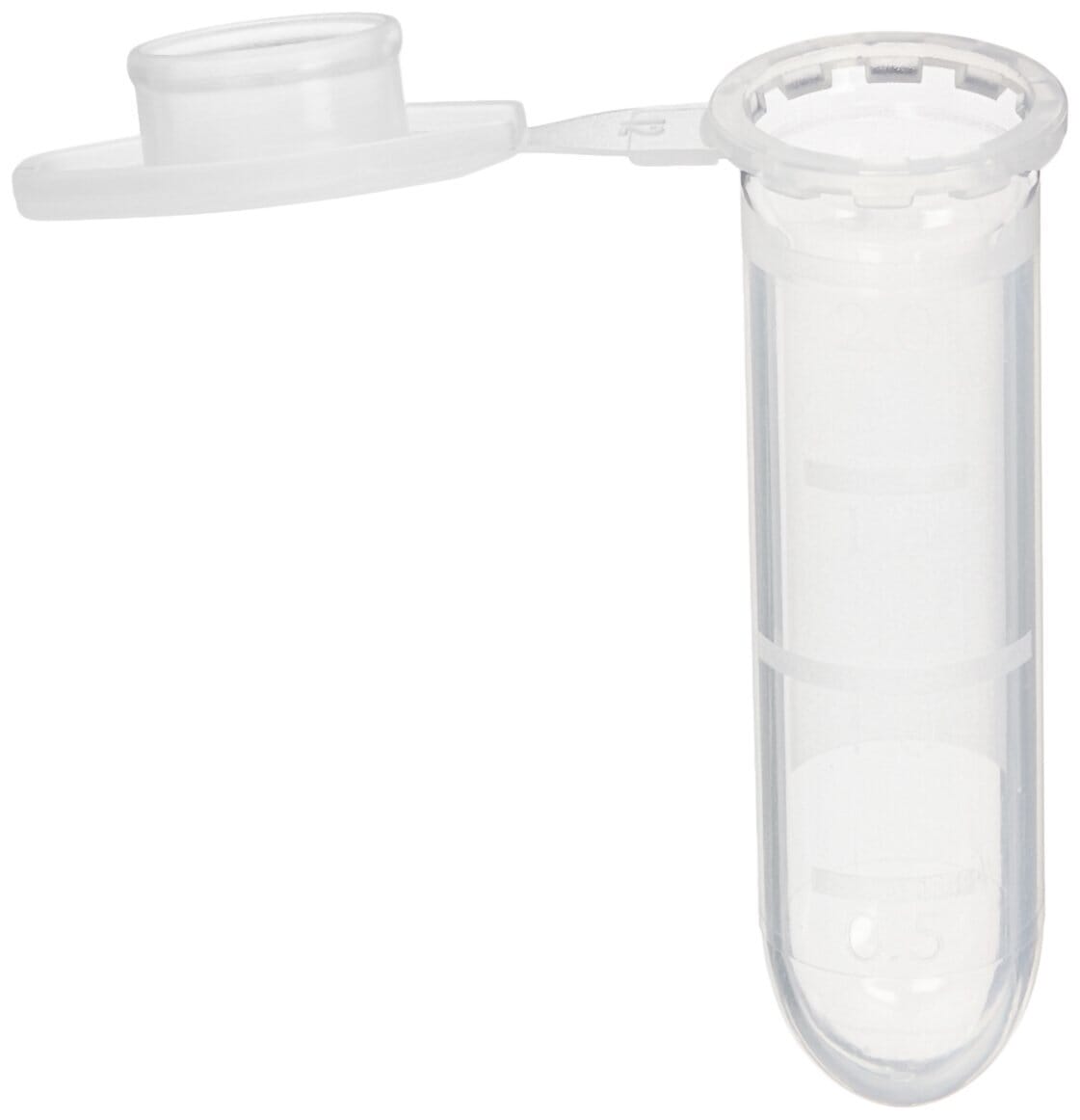
Micro Centrifuge Tube 2mL with snap cap Bag of 200
Quick View
Sale
Micro Centrifuge Tube 2mL with snap cap Bag of 200
- Price
- $7.99—$24.99
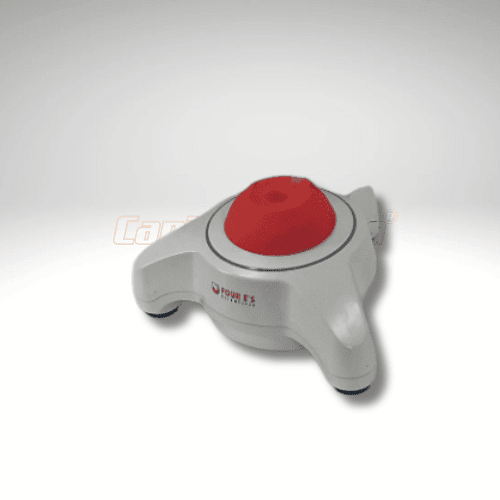
Battery Powered Sample Fluid Vortex Mixer
Quick View
Battery Powered Sample Fluid Vortex Mixer
- Price
- $149.99
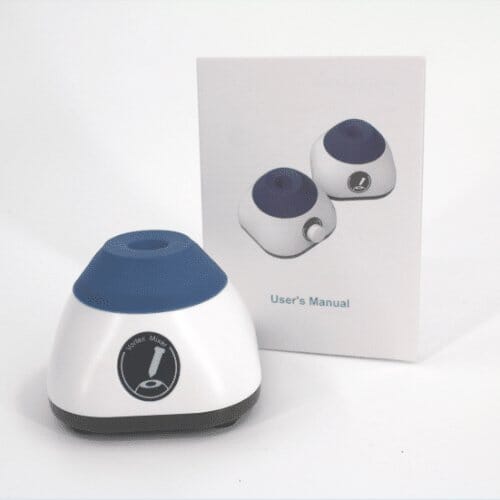
Sample Fluid Vortexer Mixer
Quick View
33% off
Sample Fluid Vortexer Mixer
- Sale price
- $59.99
- Regular price
- $90.00
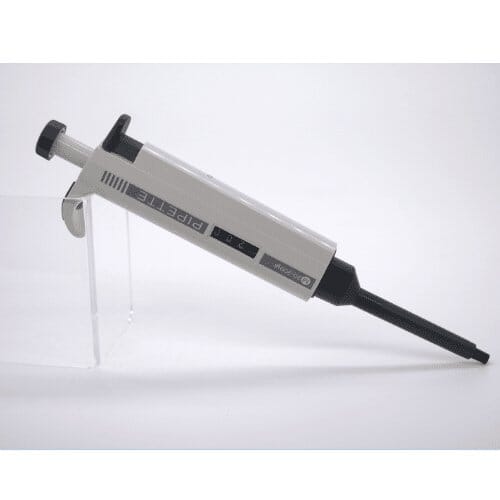
20-200 ul Adjustable Transfer Pipette
Quick View
40% off
20-200 ul Adjustable Transfer Pipette
- Sale price
- $29.99
- Regular price
- $50.00
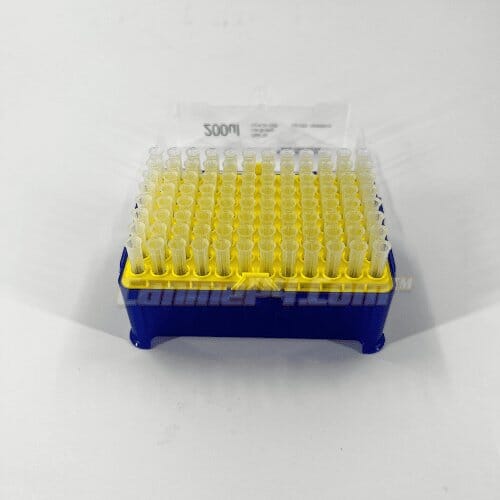
20-200ul Pipette Tips-1 Rack (96 tip ct)
Quick View
Sale
20-200ul Pipette Tips-1 Rack (96 tip ct)
- Price
- $10.99—$82.50
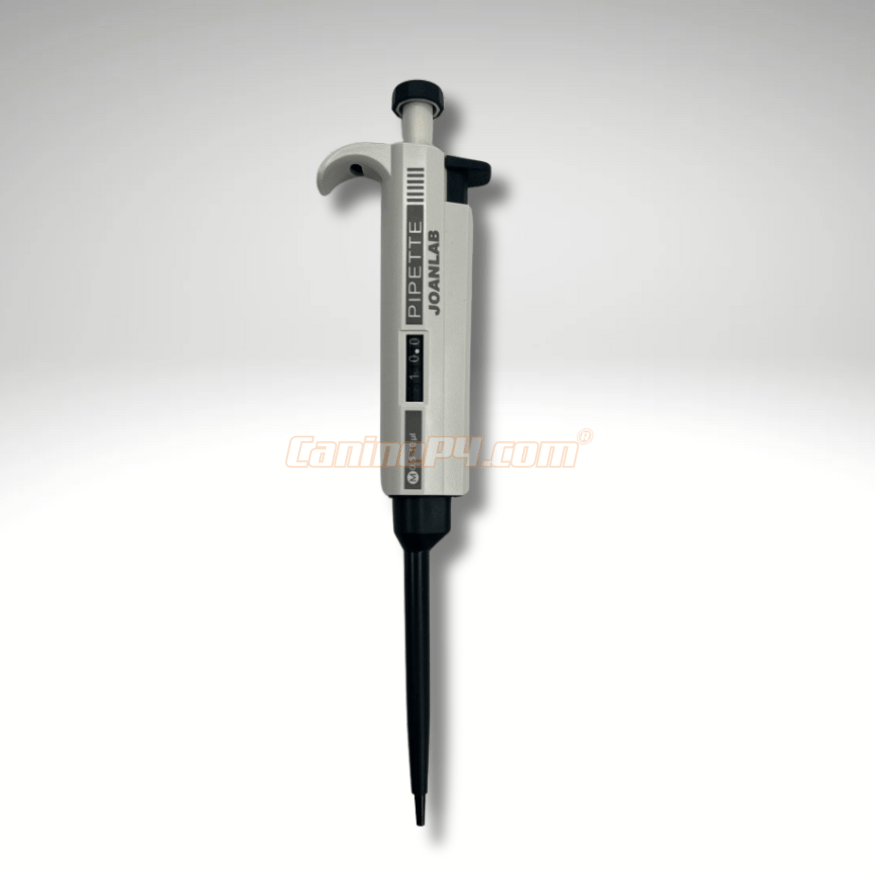
0.5-10 uL Mechanical Pipette
Quick View
57% off
0.5-10 uL Mechanical Pipette
- Sale price
- $29.99
- Regular price
- $70.00
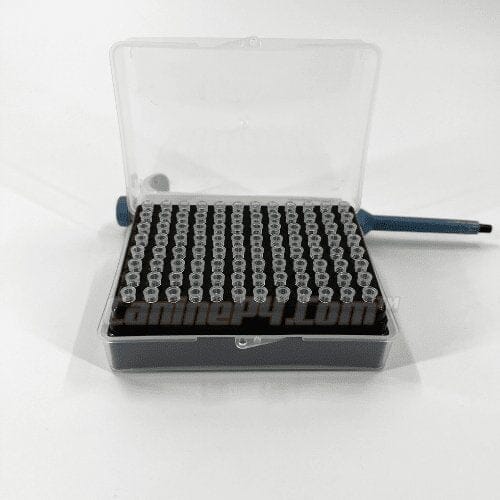
0.5-10 ul Pipette Tips-1 Rack (96 tip ct)
Quick View
Sale
0.5-10 ul Pipette Tips-1 Rack (96 tip ct)
- Price
- $10.99—$82.50
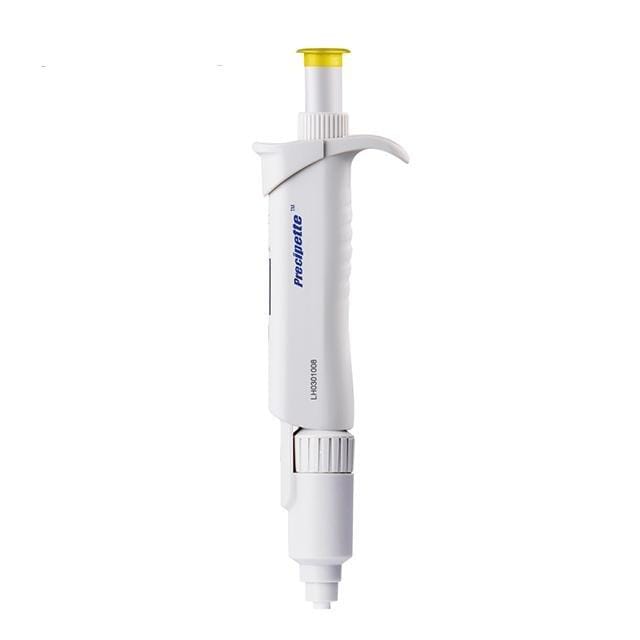
100-1000ul Adjustable Transfer Pipette
Quick View
55% off
100-1000ul Adjustable Transfer Pipette
- Sale price
- $69.99
- Regular price
- $155.00
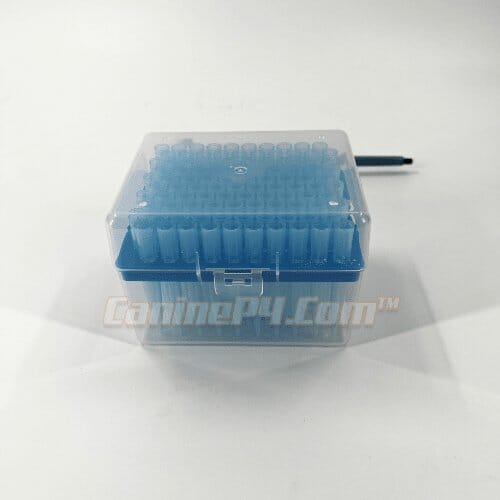
100-1000 ul Pipette Tips - 1 Rack (96 tip ct)
Quick View
Sale
100-1000 ul Pipette Tips - 1 Rack (96 tip ct)
- Price
- $10.99—$82.50
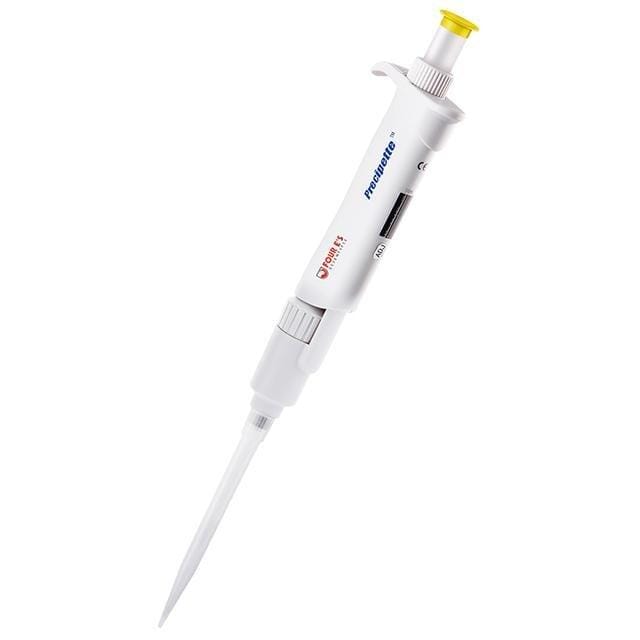
1000-5000 ul Adjustable Transfer Pipette
Quick View
55% off
1000-5000 ul Adjustable Transfer Pipette
- Sale price
- $69.99
- Regular price
- $155.00
Pipette Tips 5ml Volume Range (25ct)
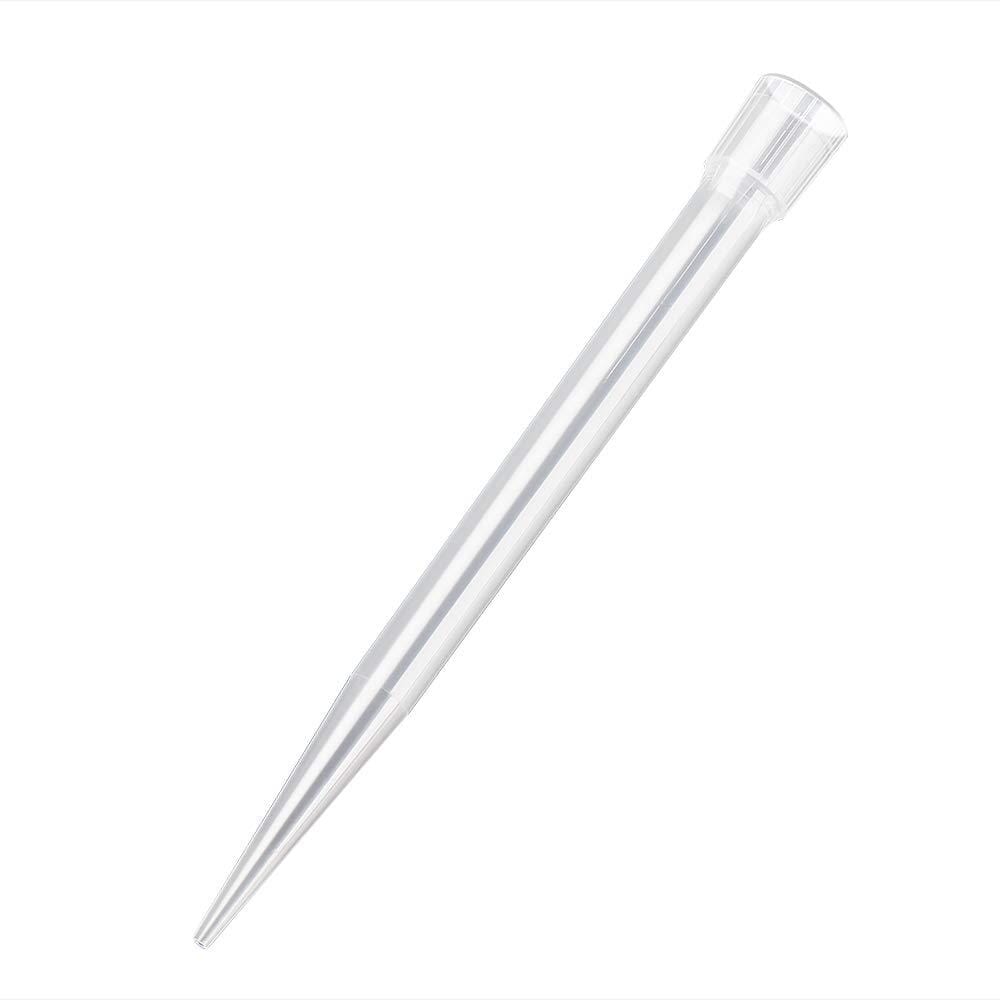
Quick View
12% off
Pipette Tips 5ml Volume Range (25ct)
- Sale price
- $22.00
- Regular price
- $24.95
Disposable Transfer Pipettes (100ct)
Quick View
20% off
Disposable Transfer Pipettes (100ct)
- Sale price
- $11.99
- Regular price
- $15.00
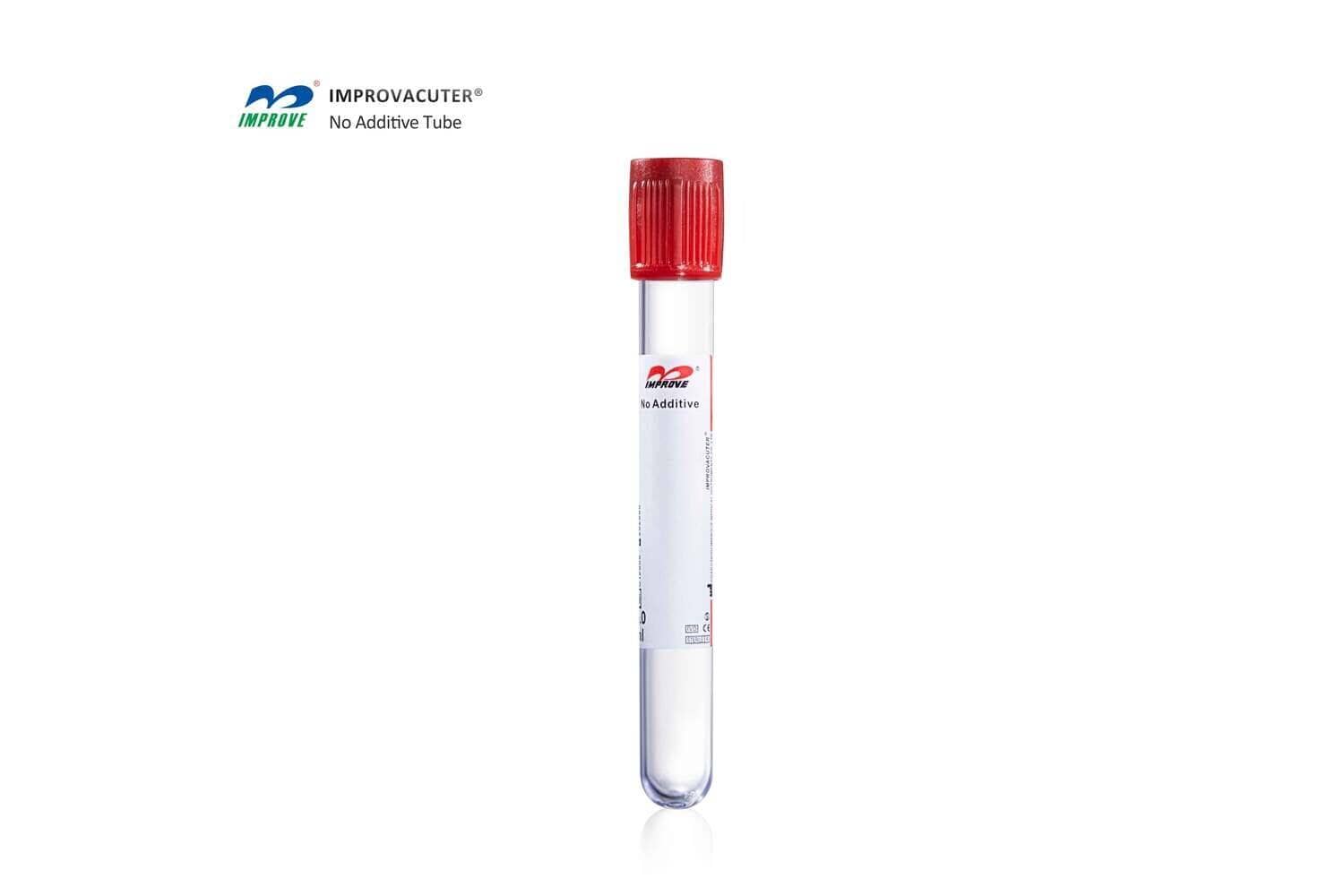
Vacutainer 3mL - Additive-Free (100 Ct.)
Quick View
Sale
Vacutainer 3mL - Additive-Free (100 Ct.)
- Price
- $34.99—$299.99
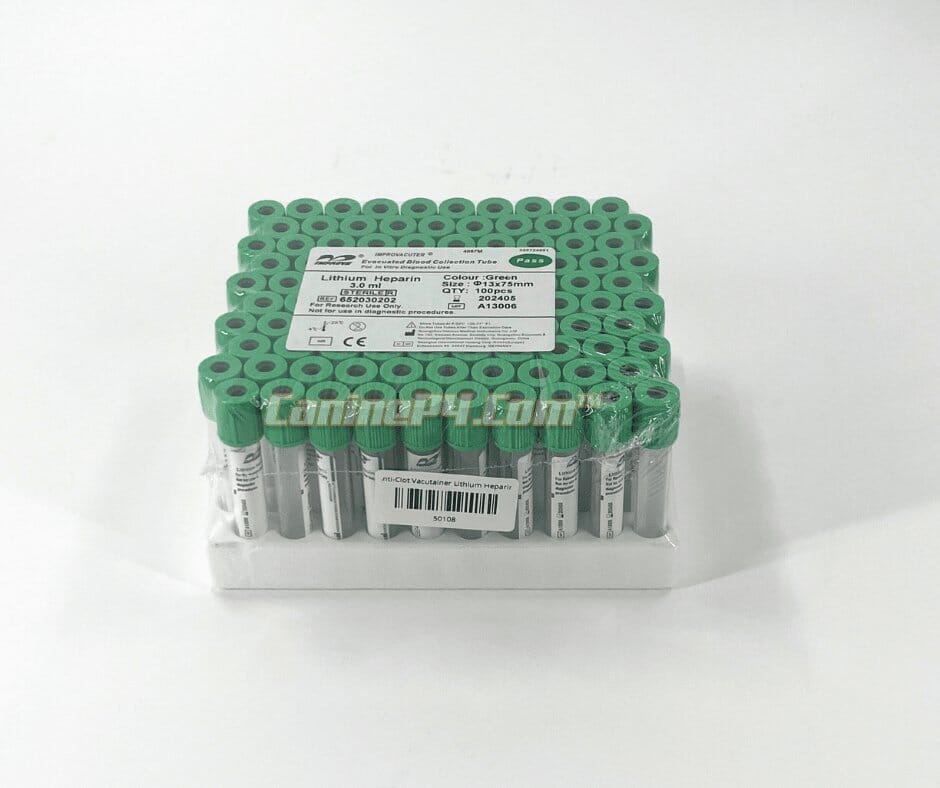
Anti-Clot Vacutainer 3mL - Lithium Heparin
Quick View
Sale
Anti-Clot Vacutainer 3mL - Lithium Heparin
- Price
- $34.99—$299.99
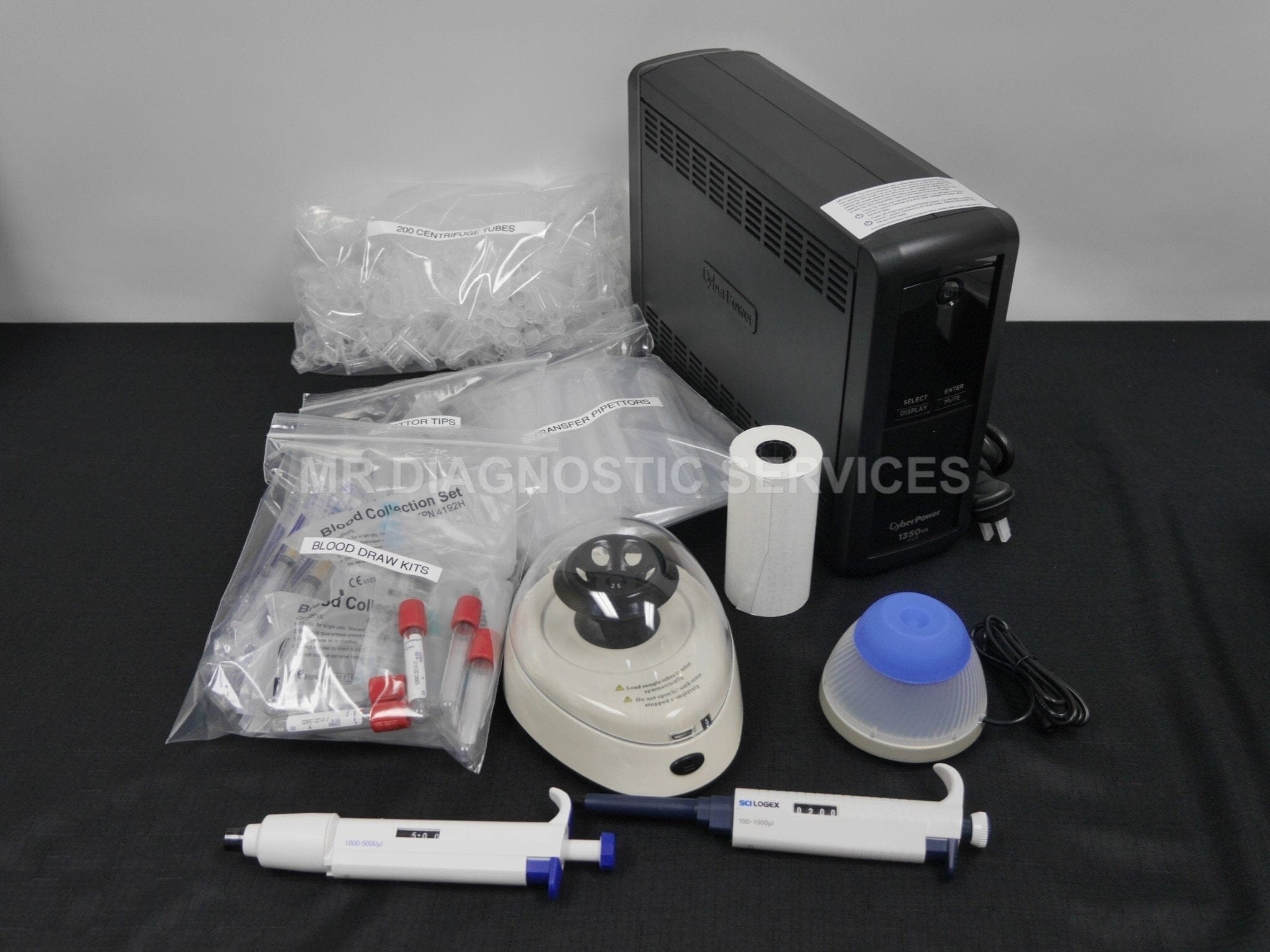
Sample preparation covers the tools you use after the blood draw and before the test: a centrifuge or blood spinner to separate serum or plasma, mixers to keep samples uniform, and the pipettes, tips, and tubes that move the sample from tube to test. Most canine progesterone analyzers run on serum or plasma, so how you separate and handle the sample directly affects your result.
Which supplies do you need to prepare a dog blood sample?
A typical in-house workflow needs a micro-centrifuge (often called a blood spinning machine) to spin down the draw, 2 ml centrifuge tubes with snap caps to hold the sample, and a pipette with matched tips to transfer serum onto the test strip or cassette. A tube rack keeps processed samples organized when you're running several females on the same day.
How long does it take to spin a blood sample?
Most benchtop micro-centrifuges separate a canine blood sample in about 5-10 minutes. Add the draw, transfer, and pipetting steps and most breeders go from blood draw to a ready-to-run sample in under 20 minutes. Heavier mixers and centrifuges in this collection are built for repeated daily use in busy kennels and clinics, and most carry a 6-month replacement warranty.
Call 844-673-7378 or use our Contact Form with any questions about matching prep tools to your analyzer. Same-day dispatch when you order before 1:30 PM CST.
Frequently Asked Questions
How do you prepare a dog blood sample for progesterone testing?
After the draw, let the blood clot (if using serum) or process promptly (if using plasma), then spin the tube in a centrifuge for about 5-10 minutes to separate the serum or plasma from the cells. Transfer the clear layer to a clean tube with a pipette, then load it onto your analyzer's test strip or cassette. Most canine progesterone analyzers run on serum or plasma, not whole blood. CanineP4 carries centrifuges, capped 2 ml tubes, pipettes, and tips for this workflow.
How long does it take to spin a dog blood sample?
Most benchtop micro-centrifuges separate a canine blood sample in about 5-10 minutes. Adding the draw, transfer, and pipetting steps, most breeders go from blood draw to a ready-to-run sample in under 20 minutes. CanineP4's blood spinning machines are built for repeated daily use and most carry a 6-month replacement warranty.
What supplies do you need to prepare a dog blood sample for testing?
A typical in-house prep setup needs a micro-centrifuge (often called a blood spinning machine) to separate the serum, 2 ml centrifuge tubes with snap caps to hold the sample, and a pipette with matched tips to transfer serum onto the test strip or cassette. A tube rack keeps processed samples organized when you are running several females the same day. CanineP4 bundles these supplies in its sample preparation collection.
Do you use serum or plasma for a dog progesterone test?
Most canine progesterone analyzers run on serum or plasma rather than whole blood, so the sample is spun down in a centrifuge before testing. Check your analyzer's instructions for the exact sample type it requires, since some models accept whole blood while others need separated serum. Using the wrong sample type can produce inaccurate results. CanineP4 lists the required sample type on each analyzer's product page.
Everything needed for fast, safe, Draws!
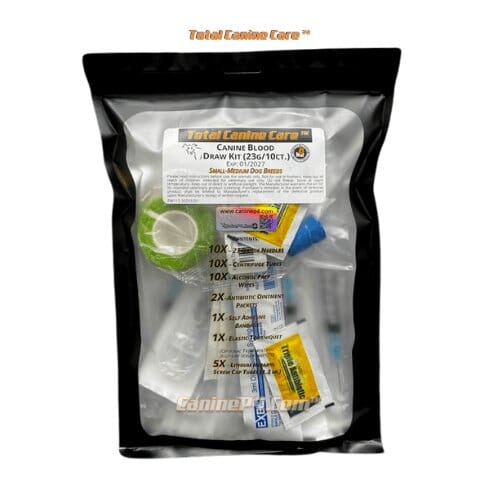
Total Canine Blood Draw kit (10 ct.)
Quick View
20% off
Total Canine Blood Draw kit (10 ct.)
- Sale price
- $19.99
- Regular price
- $25.00
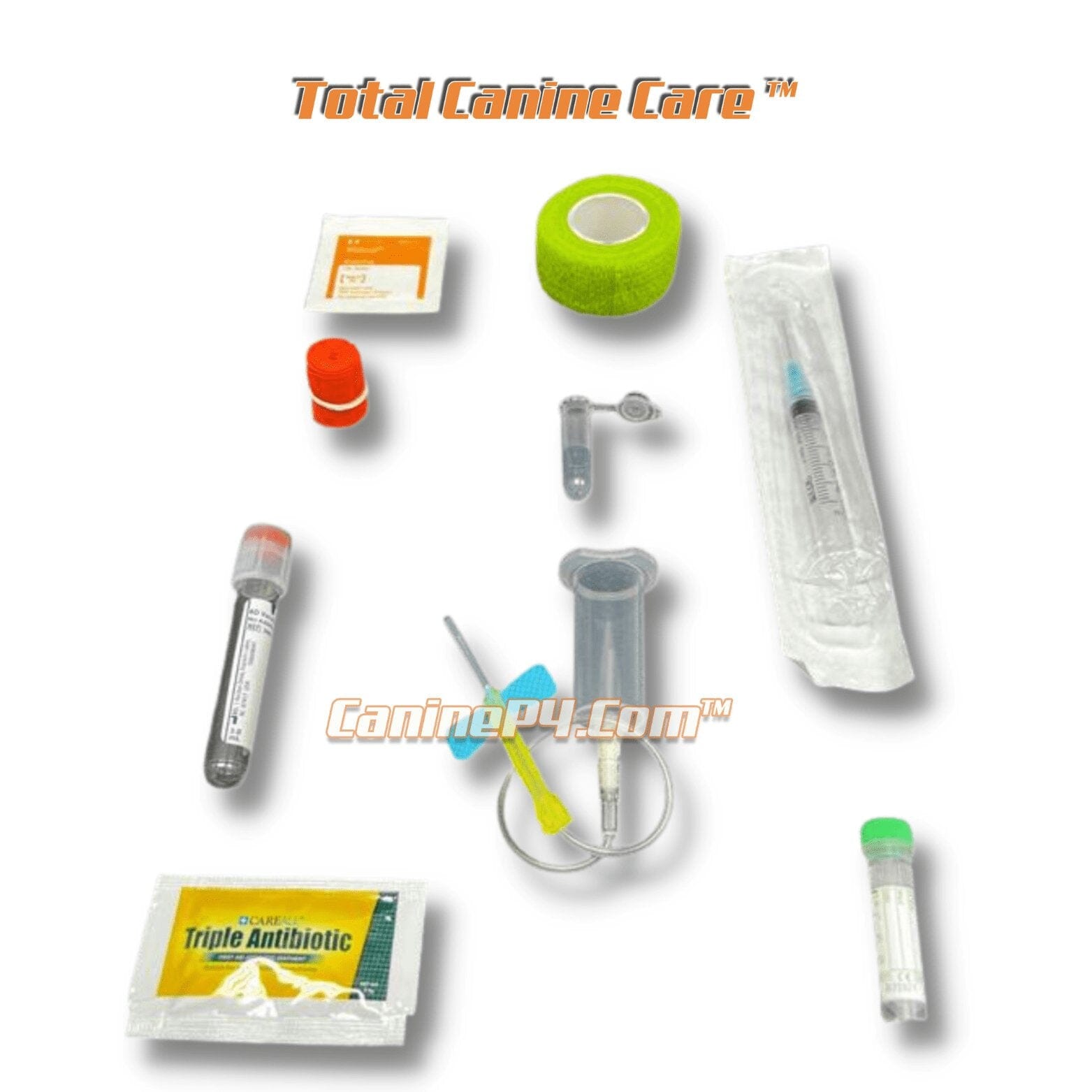
Total Canine Blood Draw Kit - Butterfly Needle and Vacutainer Kit
Quick View
5% off
Total Canine Blood Draw Kit - Butterfly Needle and Vacutainer Kit
- Sale price
- $19.99
- Regular price
- $21.00
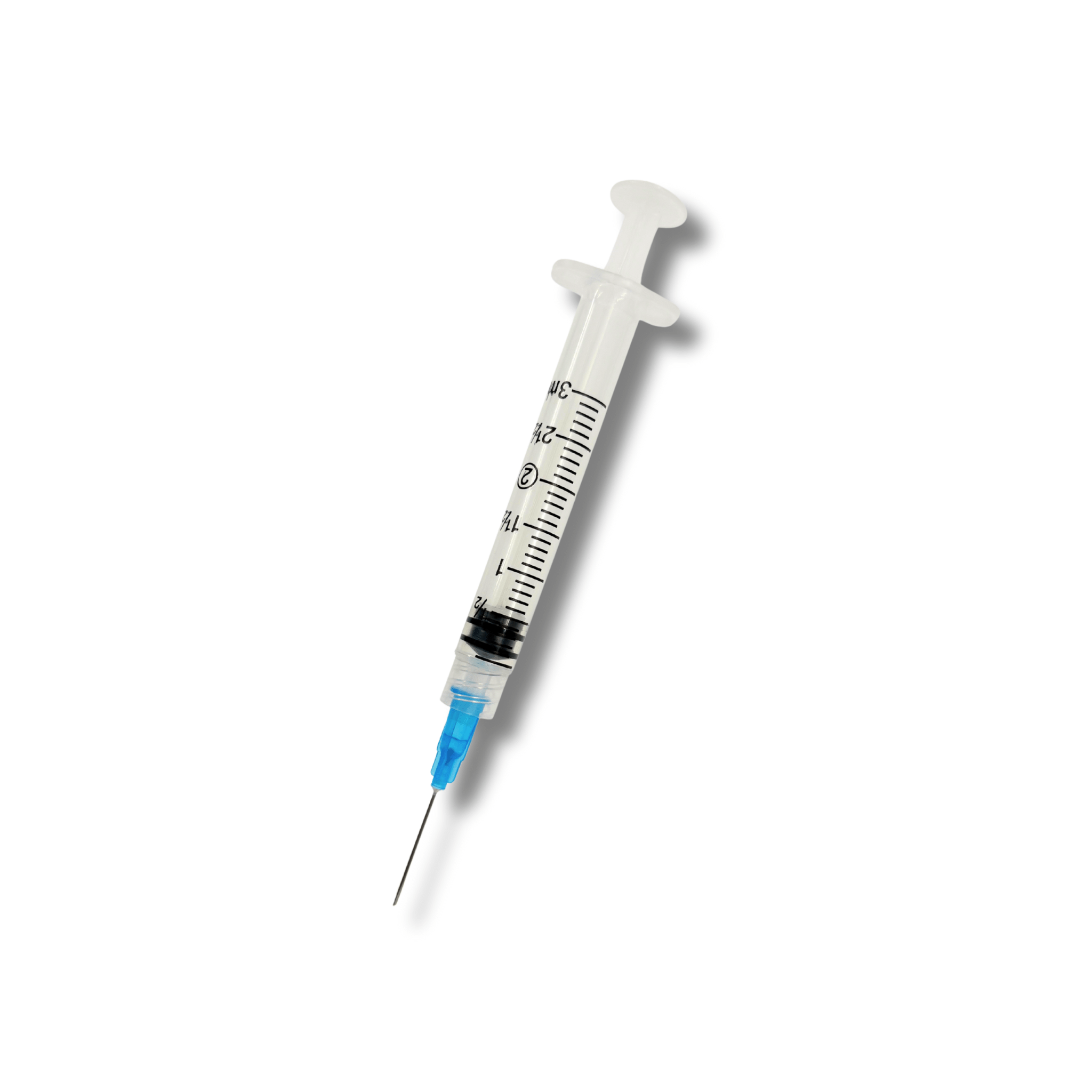
3ml Syringe for dogs with 23 Gauge Needle
Quick View
Sale
3ml Syringe for dogs with 23 Gauge Needle
- Price
- $4.99—$16.99
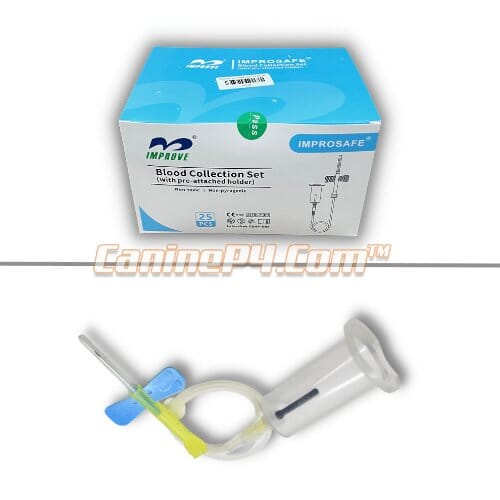
Butterfly Needle + Holder Blood Collection Set (25ct)
Quick View
10% off
Butterfly Needle + Holder Blood Collection Set (25ct)
- Sale price
- $34.99
- Regular price
- $38.75
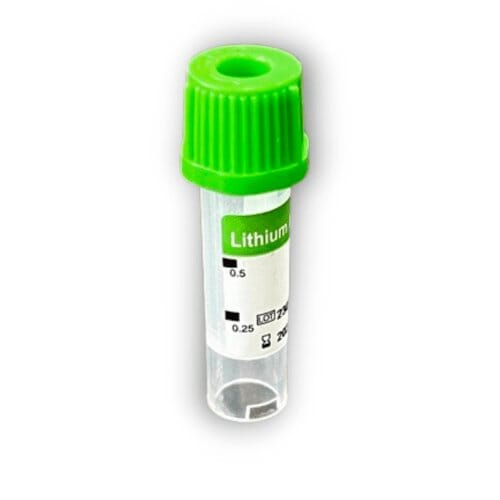
Lithium Heparin Tube Anti-Clot MicroTube 1ml
Quick View
Sale
Lithium Heparin Tube Anti-Clot MicroTube 1ml
- Price
- $7.99—$49.99
Micro Centrifuge Tube 2mL with snap cap Bag of 200
Quick View
Sale
Micro Centrifuge Tube 2mL with snap cap Bag of 200
- Price
- $7.99—$24.99
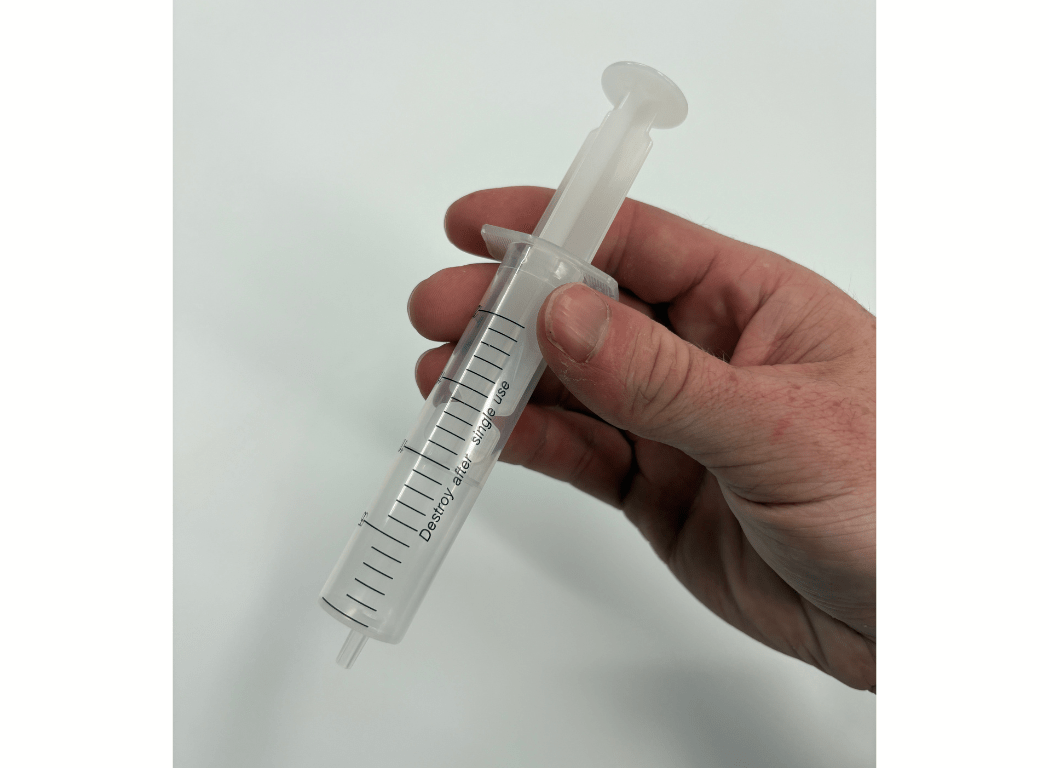
Semen Safe 20ml Syringes - 100ct
Quick View
29% off
Semen Safe 20ml Syringes - 100ct
- Sale price
- $49.99
- Regular price
- $70.00
3ml Syringe with 21 Gauge Needle
Quick View
Sale
3ml Syringe with 21 Gauge Needle
- Price
- $4.99—$16.99
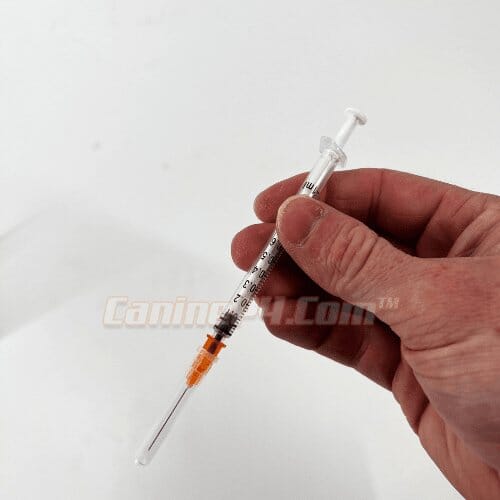
1ml Syringe with 25 Gauge Needle
Quick View
Sale
1ml Syringe with 25 Gauge Needle
- Price
- $4.99—$16.99
CaniPlus Chill LT Sperm Extender, Long-Term (10 Days) Chilled Culture Medium For Canine Semen

Quick View
Sale

CaniPlus Chill LT Sperm Extender, Long-Term (10 Days) Chilled Culture Medium For Canine Semen
- Price
- $43.99—$53.99
20-200ul Pipette Tips-1 Rack (96 tip ct)
Quick View
Sale
20-200ul Pipette Tips-1 Rack (96 tip ct)
- Price
- $10.99—$82.50
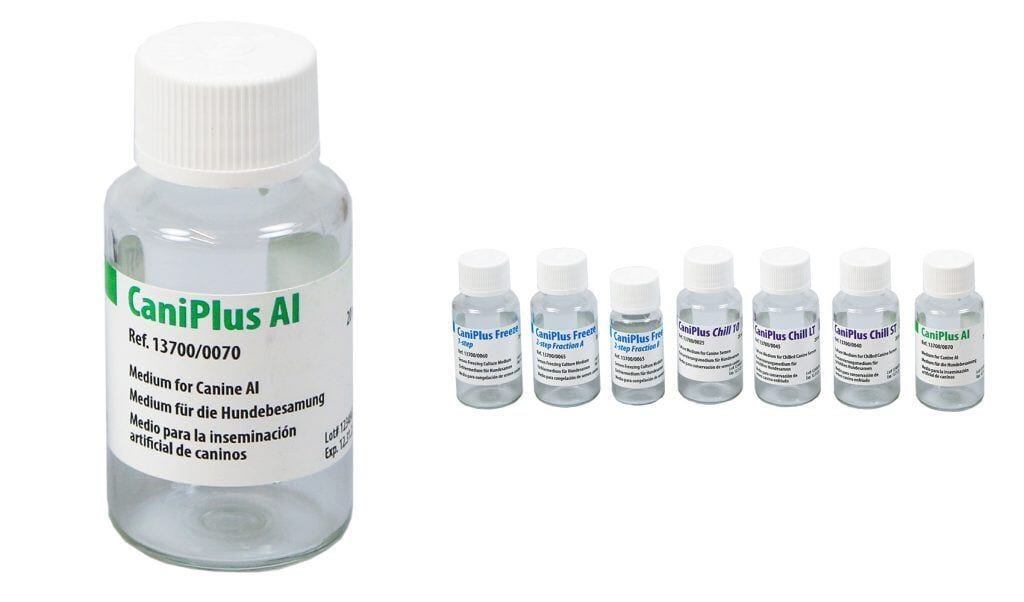
CaniPlus AI, Culture Medium for Thawing Semen and for Artificial Insemination
Quick View
CaniPlus AI, Culture Medium for Thawing Semen and for Artificial Insemination
- Price
- $59.99
Dog Sperm Collection Kit (10ct)
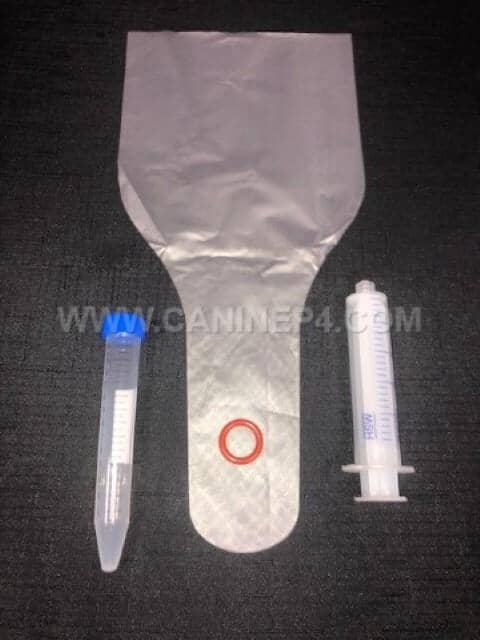
Quick View
45% off
Dog Sperm Collection Kit (10ct)
- Sale price
- $10.99
- Regular price
- $19.99

- Choosing a selection results in a full page refresh.
Quick Links
Information Links

Our Mission

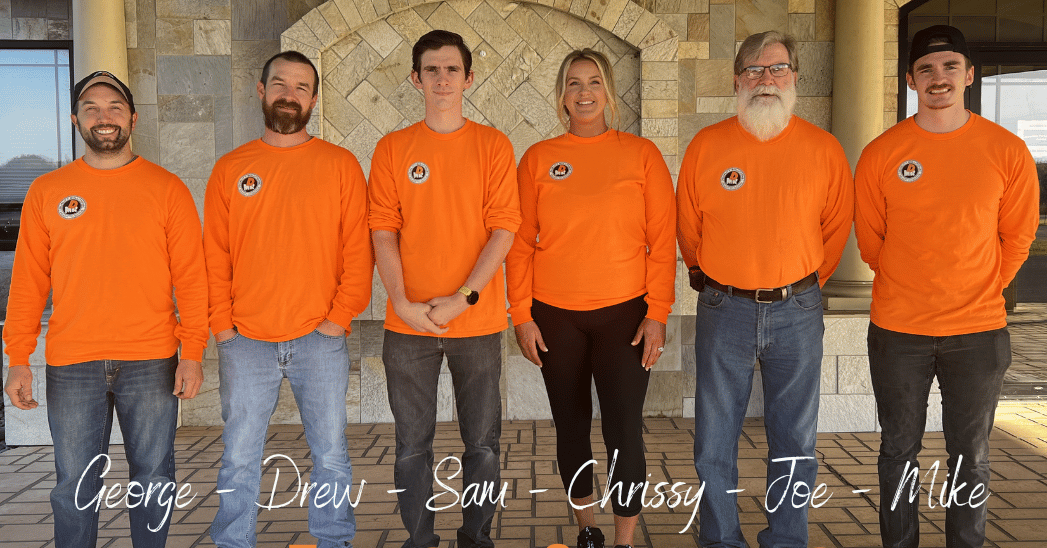
All of the CanineP4 Team members are dedicated to getting the best product fits for every customer we serve! Along with ongoing support via Chat, Email, or Phone! All with the best pricing available! Call us at 844-673-7378 we will be waiting to serve you!
PDF Catalog includes QR codes for scanning! Share with your friends, they will love it too!
