






































































Everything a dog breeder needs to know about white blood cell counts
High White Blood Cell Counts In Dogs (leukocytosis). Low White Blood Cell Counts In Dogs (leukopenia). What Are the Symptoms Of both Conditions?
What is White Blood Count Testing?
White blood cell (WBC) counts are a cornerstone of canine health diagnostics. These cells—also called leukocytes—are your dog’s frontline defenders, attacking bacteria, viruses, parasites, and even cancer cells. A single blood draw at your veterinary office reveals exactly how hard your dog’s immune system is working right now.
Why Does the Number Matter?
-
Infection alert: A sudden spike in WBCs usually means your dog is battling something—anything from a minor bug to a serious systemic infection.
-
Inflammation clue: Chronic elevation can point to allergies, autoimmune disease, or hidden pain.
-
Stress signal: Even excitement or a tough workout can temporarily raise the count.
-
Treatment tracker: After starting antibiotics or chemo, your vet watches the WBC trend to confirm the therapy is working.
What the Vet Sees in One Quick Test
Your veterinarian runs a simple blood panel (the CBC, or complete blood count) and delivers five key WBC insights in minutes:
-
Total WBC – overall immune activity
-
Neutrophils – bacterial infection fighters
-
Lymphocytes – viral and cancer surveillance
-
Monocytes – chronic infection scouts
-
Eosinophils – allergy and parasite alarms
When Should You Ask for a WBC Test?
Schedule a CBC at your vet office if your dog shows:
-
Lethargy or fever
-
Repeated vomiting/diarrhea
-
Swollen lymph nodes
-
Unexplained weight loss
-
Pale gums or bruising
Early detection saves lives—and wallets. A $40–$80 CBC today can prevent a $4,000 emergency tomorrow.
Next Step
Call your veterinary clinic today and say:“Can we add a CBC to Fluffy’s next visit?”One prick, five numbers, total peace of mind.
New! Super Low-Priced One-Test Trial Size Rapid Pregnancy Tests! Fast, Easy, And A Great Value!

Heartworm test for dogs at home
5.0

Pregnancy Test for dogs
5.0

Total Canine Blood Draw kit (10 ct.)
5.0

Total Canine Blood Draw Kit - Butterfly Needle and Vacutainer Kit
5.0

3ml Syringe with 21 Gauge Needle
5.0

Bellylabs® Pregnancy Test for Dogs
5.0

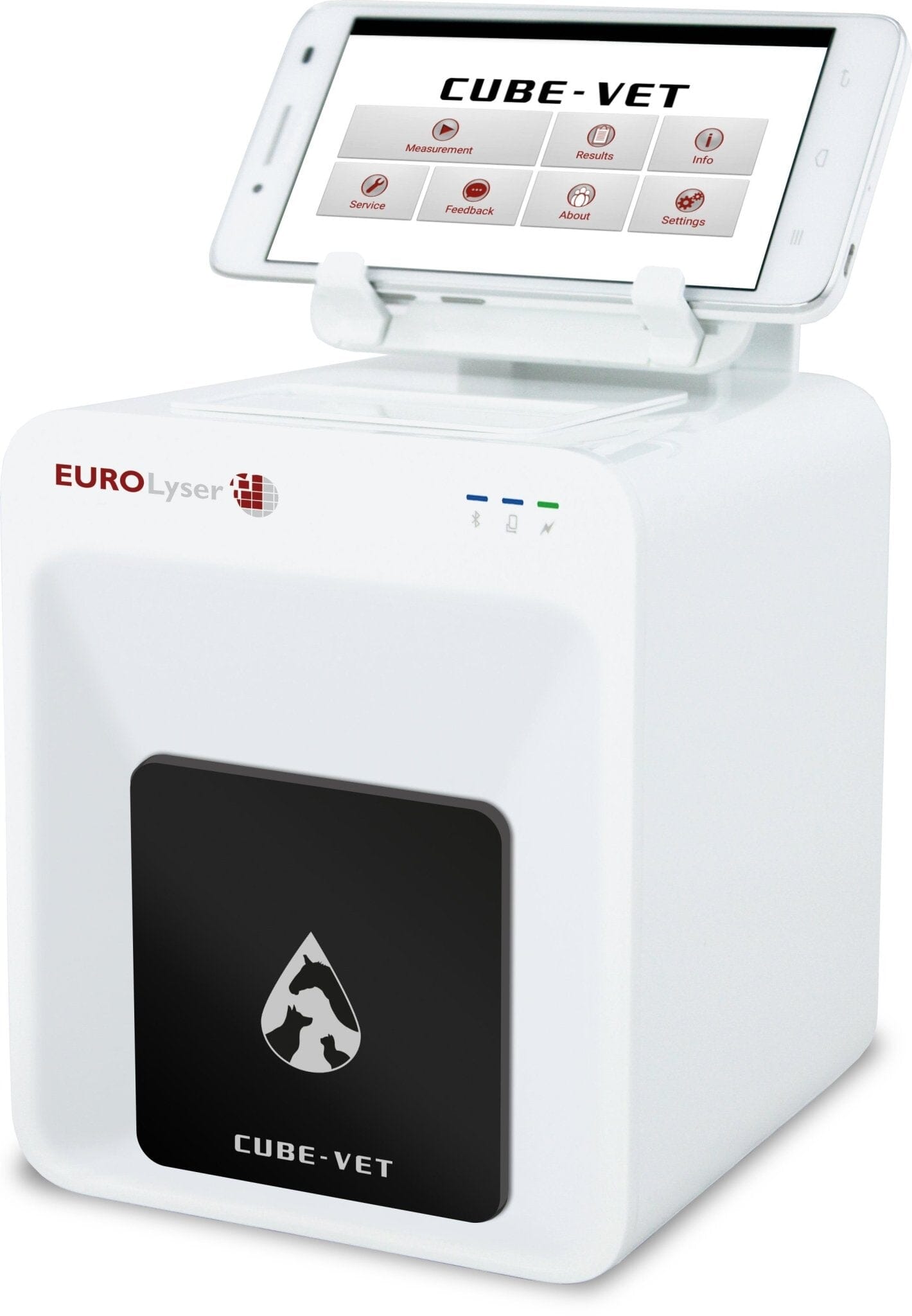
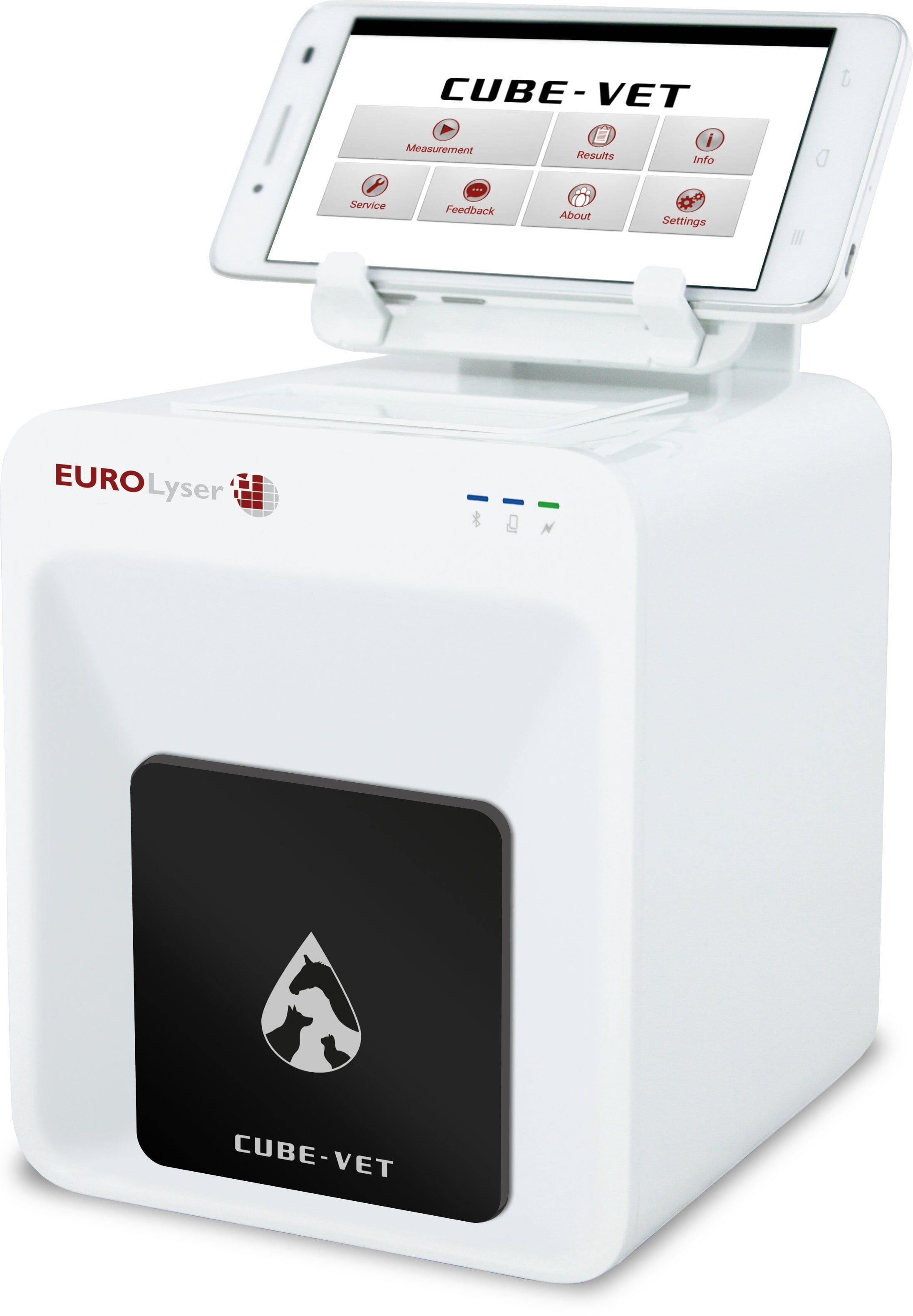
CUBE-VET - Equine Health Analyzer
5.0

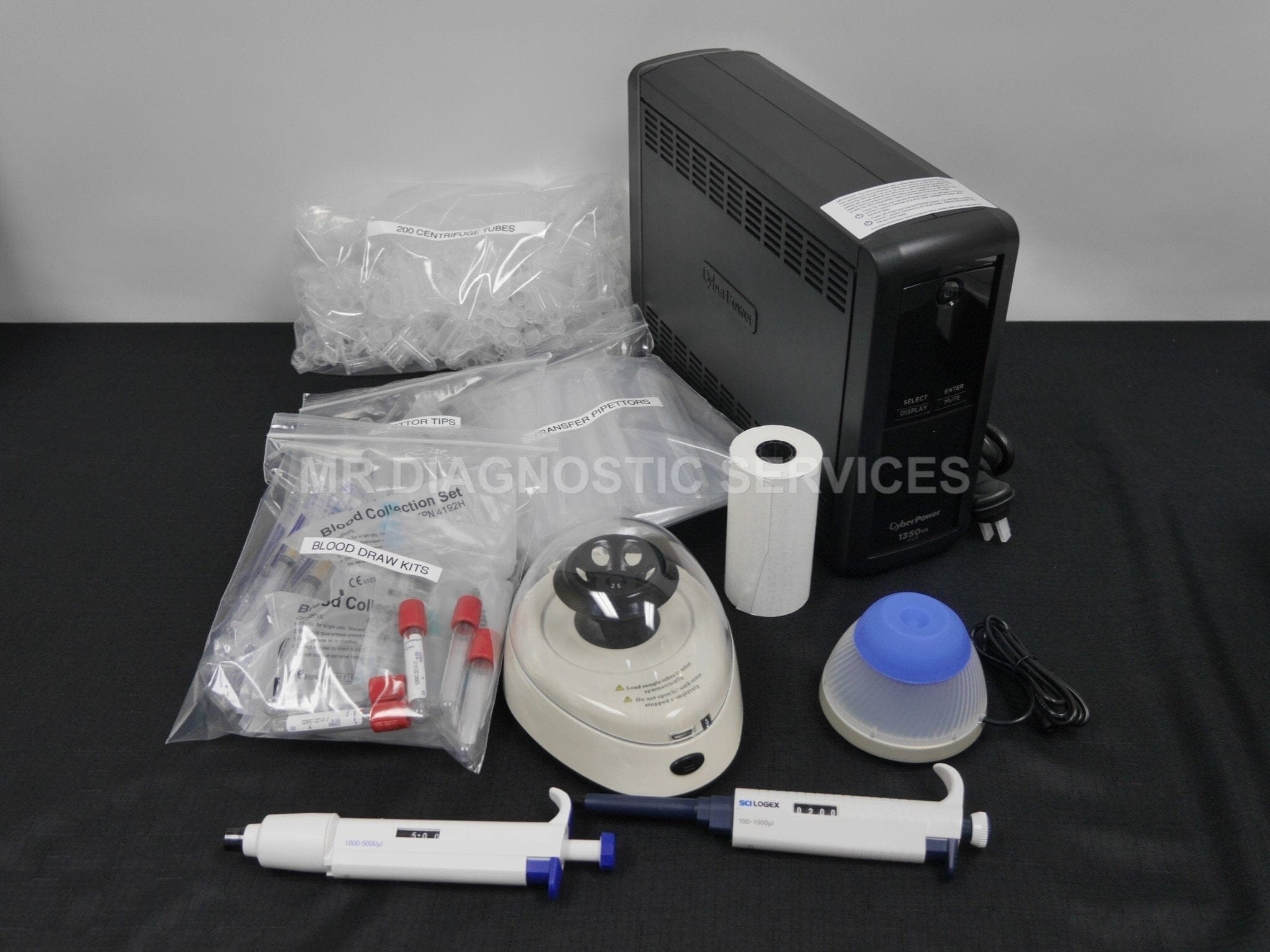
CUBE-VET - Reproduction Premier Bundle
5.0
What is leukopenia (low white blood cell count)?
Leukopenia is another term used to describe low white blood cell count in dogs, which can be caused by a variety of factors such as infections, autoimmune diseases, cancer, or exposure to certain medications or toxins.
Dogs with leukopenia may experience symptoms such as weakness, loss of appetite, fever, increased susceptibility to infections, swollen lymph nodes, pale gums, easy bruising or bleeding, weight loss, and joint pain or swelling. If your in house testing shows your dog may have leukopenia, it is important to seek veterinary care for proper diagnosis and treatment.
Causes of Leukopenia (low white blood cell count)
Low white blood cell count, also known as leukopenia, can be caused by a variety of factors in dogs. Some common causes include:
-
Viral or bacterial infections: These can suppress the bone marrow's ability to produce white blood cells.
-
Autoimmune diseases: In some cases, the immune system can mistakenly attack and destroy white blood cells.
-
Cancer: Certain types of cancer, such as lymphoma, can suppress the production of white blood cells.
-
Medications: Some medications, such as chemotherapy drugs or certain antibiotics, can cause temporary leukopenia.
-
Toxins: Exposure to certain toxins, such as chemotherapy drugs, pesticides, or heavy metals, can damage the bone marrow and cause leukopenia.
-
Nutritional deficiencies: A deficiency in certain vitamins or minerals, such as vitamin B12 or folate, can affect the production of white blood cells.
-
Inherited disorders: Some inherited disorders, such as cyclic hematopoiesis or grey collie syndrome, can cause leukopenia.
If your in-house testing shows your dog may have leukopenia, it is important to seek veterinary care for proper diagnosis and treatment.
Symptoms of Leukopenia (low white blood cell count)
Dogs with low white blood cell counts, or leukopenia, may not exhibit any specific symptoms initially. However, if the leukopenia is severe, it can compromise the dog's immune system, making them more susceptible to infections and other diseases.
Some signs that may be observed in dogs with leukopenia include:
-
Lethargy and weakness
-
Loss of appetite
-
Fever
-
Increased susceptibility to infections
-
Skin or gum infections
-
Pale gums or other mucous membranes
-
Diarrhea or vomiting
If your in-house testing shows your dog may have leukopenia, it is important to seek veterinary care for proper diagnosis and treatment.
New! Anbio 100c! Best In Class For Progesterone Testing In House! Fast, Easy, With The Fastest Shipping On The Internet!






What is leukocytosis (high white blood cell count)?
Leukocytosis is a medical condition in which the number of white blood cells in the bloodstream of the dog is abnormally high.
White blood cells play an essential role in the immune system, and their increased production is usually in response to an infection, inflammation, or other underlying medical conditions such as cancer. A blood test is usually performed to diagnose leukocytosis in order to identify the underlying cause and develop a proper treatment plan. If your in house testing shows your dog may have leukocytosis, it is important to seek veterinary care for proper diagnosis and treatment.
Causes of Leukocytosis (high white blood cell count)
A high white blood cell count, also known as leukocytosis, can be caused by various factors in dogs, including:
Infections: Bacterial, viral, fungal or parasitic infections can cause an increase in white blood cell count as the immune system attempts to fight off the infection.
-
Inflammation: Chronic inflammation caused by conditions such as allergies, autoimmune disorders or inflammatory bowel disease can lead to leukocytosis.
-
Stress: Extreme physical or emotional stress, such as after surgery, trauma, or in response to pain, can trigger the release of white blood cells from the bone marrow.
-
Tumors: Certain types of cancers, including leukemia, lymphoma, and other cancers that affect the blood or bone marrow can cause leukocytosis.
-
Medications: Certain medications, such as corticosteroids, can stimulate the bone marrow to produce more white blood cells, resulting in leukocytosis.
-
Dehydration: A dog's body may respond to dehydration by increasing its white blood cell count.
-
Other factors: Other factors such as hemorrhage, heatstroke, or metabolic diseases like diabetes mellitus can also cause an elevated white blood cell count.
-
Ehrlichia: Ehrlichia is a bacterial infection transmitted by ticks that can cause high white blood cell counts in dogs, along with fever, lethargy, and loss of appetite.
-
Anaplasma: Anaplasma is another bacterial infection transmitted by ticks that can cause high white blood cell counts in dogs, along with fever, joint pain, and lethargy.
-
Leishmania: Leishmania is a parasitic infection transmitted by sandflies that can cause high white blood cell counts in dogs, along with fever, weight loss, and skin lesions.
-
Heartworms: Heartworms are a parasitic infection transmitted by mosquitoes that can cause high white blood cell counts in dogs, along with coughing, lethargy, and difficulty breathing.
-
Salmonella: Salmonella is a bacterial infection that can cause high white blood cell counts in dogs, along with vomiting, diarrhea, and fever
If your in house testing shows your dog may have leukocytosis, it is important to seek veterinary care for proper diagnosis and treatment.
Symptoms of Leukocytosis (high white blood cell count)
A high white blood cell count in dogs, also known as leukocytosis, can be caused by a variety of factors. The symptoms of high white blood cell count in dogs may include:
-
Fever
-
Lethargy and weakness
-
Loss of appetite
-
Dehydration
-
Vomiting and diarrhea
-
Increased thirst and urination
-
Rapid breathing or panting
-
Swollen lymph nodes
-
Skin rash or hives
-
Joint pain or swelling
If your in house testing shows your dog may have leukocytosis, it is important to seek veterinary care for proper diagnosis and treatment.
You care about your dogs, not only are they family and also an investment in your family breeding business. You put countless hours and effort into ensuring your breeding practice is humane and ethical. Monitoring your dogs health in house is easy, and there are several things we consider. Foundational tests for dog breeders. White cell count testing is an important one to include.
Start testing your dog's white blood cell count in-house to get a great jump on potential problems before they spread and get much worse. Find low level problems in a proactive way and get your sick dogs to the vet asap saving time, money, and giving you peace of mind that your dogs are in great health! This simple testing has an immense impact on general health as it directly indicates many potential issues that can effect other functions, including reproductive health. As a dog breeder this is incredibly important…
Looking for dog breeding supplies? Check out our ever-growing array of products Here


Breeders Tech Center In Neenah, Wisconsin. Home for CanineP4! It's Where It All Happens!
844-673-7378
For all general inquiries, please contact us at support@K9P4Go.com
©2023 Copyright. All rights reserved. Violators will be prosecuted
- Choosing a selection results in a full page refresh.
Quick Links
Information Links

Our Mission

All of the CanineP4 Team members are dedicated to getting the best product fits for every customer we serve! Along with ongoing support via Chat, Email, or Phone! All with the best pricing available! Call us at 844-673-7378 we will be waiting to serve you!
PDF Catalog includes QR codes for scanning! Share with your friends, they will love it too!
